

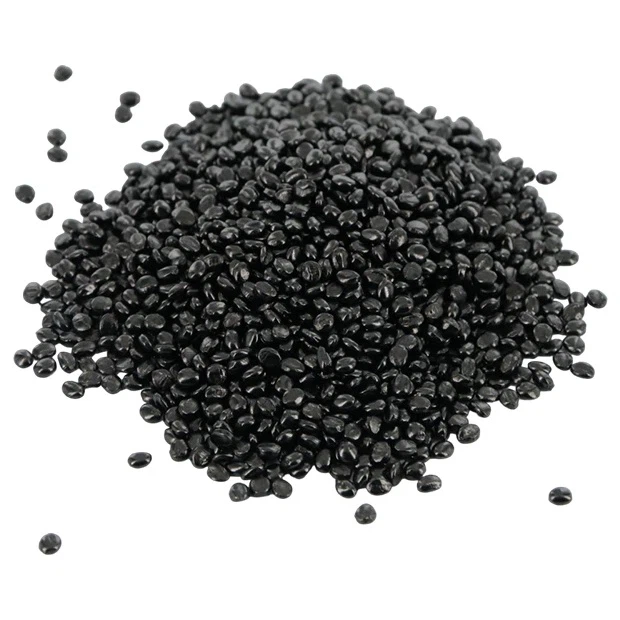
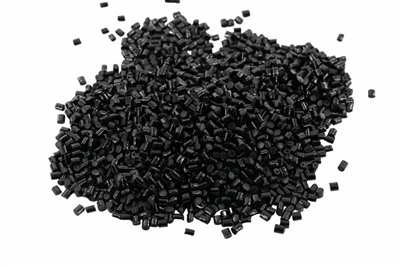

In the realm of plastic processing, black masterbatch for filament plays a crucial role in imparting color and enhancing the performance of various plastic products. As a leading supplier of black masterbatch for filament, we are often asked about potential issues during the processing phase, one of which is whether it causes static electricity problems. In this blog post, we will delve into this topic, exploring the science behind static electricity in plastic processing and how our black masterbatch for filament fits into the picture.
Understanding Static Electricity in Plastic Processing
Static electricity is a common phenomenon in plastic processing. It occurs when two materials come into contact and then separate, causing an imbalance of electric charges on their surfaces. In the case of plastic filaments, the friction generated during processes such as extrusion, winding, and cutting can lead to the build - up of static electricity.
The presence of static electricity can have several negative impacts on the processing and final product quality. Firstly, it can attract dust and other contaminants, which can compromise the appearance and functionality of the plastic products. For example, in the production of high - precision plastic components, even a small amount of dust can cause defects. Secondly, static electricity can cause the filaments to stick together, making it difficult to handle and process them. This can lead to production delays and increased costs.
Factors Affecting Static Electricity in Black Masterbatch for Filament Processing
Several factors can influence whether black masterbatch for filament causes static electricity problems during processing.
1. Carbon Black Content
Carbon black is the main pigment in black masterbatch. It has unique electrical properties. In general, carbon black can act as a conductor to some extent. When the carbon black content in the masterbatch is high enough, it can help to dissipate static charges. However, if the carbon black is not well - dispersed in the polymer matrix, it may not effectively conduct electricity, leading to static build - up.


2. Polymer Matrix
The type of polymer used in the filament also plays a significant role. Some polymers are more prone to static charge generation than others. For example, polyolefins such as polyethylene and polypropylene are known to have relatively high electrical resistivity, which means they can easily accumulate static charges. Our black masterbatch is formulated to be compatible with a wide range of polymers, and we can adjust the formulation according to the specific polymer used to minimize static electricity problems.
3. Processing Conditions
The processing conditions, such as temperature, humidity, and processing speed, can also affect static electricity generation. Higher processing speeds usually result in more friction and thus more static charge generation. Low humidity environments can exacerbate static problems because there is less moisture in the air to help dissipate the charges.
Our Solutions to Static Electricity Problems
As a professional supplier of black masterbatch for filament, we have developed several strategies to address static electricity problems.
1. Optimized Formulation
We carefully select the carbon black and other additives in our masterbatch to ensure good conductivity and dispersion. Our R & D team is constantly working on improving the formulation to enhance the anti - static properties of the masterbatch. By using high - quality carbon black and advanced dispersion technology, we can ensure that the carbon black particles are evenly distributed in the polymer matrix, effectively conducting static charges.
2. Anti - Static Additives
In some cases, we may incorporate anti - static additives into the masterbatch. These additives work by attracting moisture from the air, creating a thin layer of conductive material on the surface of the filament. This layer helps to dissipate static charges and reduce the risk of static - related problems.
3. Technical Support
We provide comprehensive technical support to our customers. Our experts can help customers optimize their processing conditions to minimize static electricity generation. For example, we can recommend appropriate processing temperatures and speeds based on the specific polymer and masterbatch used.
Applications of Our Black Masterbatch and Static Considerations
Our black masterbatch for filament is suitable for a wide range of applications.
For Black Masterbatch for Film Blown, static electricity can cause the film to stick to the equipment during the blowing process, leading to uneven film thickness and poor quality. Our masterbatch is designed to reduce static charges, ensuring smooth film production.
In the case of Black Masterbatch for Sheet, static can attract dust to the sheet surface, which is especially problematic for sheets used in high - end applications such as display panels. Our anti - static masterbatch helps to keep the sheet surface clean and free of contaminants.
For Black Masterbatch for Pipe, static electricity can cause the pipe to attract dirt during the extrusion process, affecting its appearance and performance. Our masterbatch formulation helps to prevent static build - up, resulting in high - quality pipes.
Conclusion
In conclusion, while black masterbatch for filament can potentially cause static electricity problems during processing, our company has the expertise and solutions to address these issues. Through optimized formulation, the use of anti - static additives, and comprehensive technical support, we can ensure that our customers can enjoy smooth processing and high - quality products.
If you are interested in our black masterbatch for filament and would like to discuss your specific requirements, we invite you to contact us for procurement and further technical consultation. We are committed to providing you with the best products and services to meet your needs.
References
- "Plastic Additives Handbook" by Hans Zweifel
- "Carbon Black: Science and Technology" by Donnet, J. B., Bansal, R. C., & Wang, M. - J.