

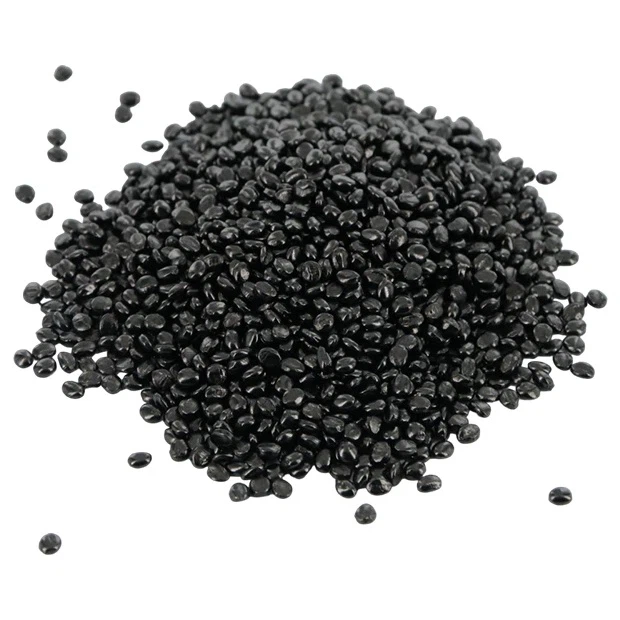
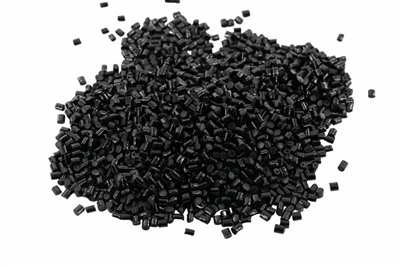

Hey there! As a supplier of PA black masterbatch, I often get asked about the color fastness of our product. Color fastness is a crucial factor when it comes to masterbatches, as it determines how well the color will hold up over time under various conditions. So, let's dive into what color fastness our PA black masterbatch has.
What is Color Fastness?
First things first, let's clarify what color fastness means. Color fastness refers to the resistance of a colored material to fading or changing color when exposed to different external factors. These factors can include light, heat, washing, rubbing, and chemicals. In the case of PA black masterbatch, which is used to color polyamide (PA) plastics, we need to consider how it will perform in real - world applications.
Light Fastness
Light is one of the most common factors that can cause color fading. Our PA black masterbatch has excellent light fastness. When exposed to sunlight or artificial light sources, it retains its rich black color for a long time. This is because we use high - quality carbon black pigments in our masterbatch. Carbon black is known for its good light - absorbing properties, which help protect the color from the degrading effects of light.
In outdoor applications, where the PA products colored with our masterbatch are constantly exposed to sunlight, the light fastness ensures that the black color remains vivid and doesn't turn gray or fade over time. For example, if you're using PA black masterbatch to color automotive parts that are exposed to sunlight, the parts will maintain their aesthetic appeal for years.
Heat Fastness
Heat can also have an impact on color fastness. Our PA black masterbatch is formulated to withstand high temperatures. During the processing of PA plastics, the masterbatch is often subjected to high - heat conditions. Our product can handle these temperatures without significant color change.
The heat fastness is important because PA plastics are commonly used in applications where they may be exposed to heat, such as in electrical components or industrial machinery. Even when the PA parts are in contact with hot surfaces or operate in high - temperature environments, the black color remains stable.
Washing and Rubbing Fastness
In some applications, the PA products colored with our masterbatch may be subjected to washing or rubbing. For instance, if you're using it to color textile - like PA materials or consumer goods that are frequently handled, the washing and rubbing fastness come into play.
Our PA black masterbatch has good washing and rubbing fastness. The pigments are well - dispersed in the polymer matrix, which means they are less likely to be removed during washing or rubbing. This ensures that the color stays intact even after repeated use and cleaning.
Chemical Resistance
Chemicals can also affect the color of the masterbatch. Our PA black masterbatch is resistant to many common chemicals. Whether it's exposure to mild acids, alkalis, or solvents, the color remains stable. This is beneficial in industrial applications where PA parts may come into contact with various chemicals during the manufacturing process or in their end - use environment.
Comparison with Other Masterbatches
Now, let's briefly compare our PA black masterbatch with other types of black masterbatches like PC Black Masterbatch, PS Black Masterbatch, and PP Black Masterbatch.
Each of these masterbatches is designed for different base polymers. While they all have their own unique properties, our PA black masterbatch stands out in terms of its performance in PA plastics. The color fastness properties are optimized for the specific characteristics of polyamide, ensuring a perfect match for PA - based applications.
Real - World Examples
To give you a better idea of how our PA black masterbatch performs in real - world scenarios, let's look at a few examples.
In the sports equipment industry, PA is often used to make high - performance gear. Our masterbatch is used to color these products. Whether it's a PA - based cycling helmet or a pair of running shoes with PA components, the color fastness ensures that the black color looks great even after months of use and exposure to the elements.
In the electronics industry, PA is used for making connectors and housings. Our PA black masterbatch provides a stable and attractive black color for these parts. The heat and chemical resistance of the masterbatch are particularly important in this application, as the parts may be exposed to heat generated by electronic components and various cleaning agents.


Quality Control
We take quality control very seriously when it comes to our PA black masterbatch. Before it leaves our factory, each batch is tested for color fastness. We use standardized testing methods to ensure that the masterbatch meets our high - quality standards.
The testing includes exposing samples to different light intensities, heat levels, washing cycles, and chemical agents. By doing so, we can guarantee that the color fastness properties we claim are accurate and reliable.
Why Choose Our PA Black Masterbatch?
There are several reasons to choose our PA black masterbatch. Firstly, the excellent color fastness ensures that your PA products will have a long - lasting and attractive black color. This helps enhance the overall quality and marketability of your products.
Secondly, our commitment to quality control means that you can trust the consistency of our product. Every batch will perform the same way in terms of color fastness, so you don't have to worry about variations in color performance.
Finally, we offer competitive pricing. We understand that cost is an important factor for our customers, and we strive to provide high - quality masterbatch at a reasonable price.
If you're in the market for a reliable PA black masterbatch with outstanding color fastness, we'd love to hear from you. Whether you're a small - scale manufacturer or a large - scale industrial company, we can provide you with the right amount of masterbatch to meet your needs. Contact us to discuss your requirements and start a partnership that will bring out the best in your PA products.
References
- "Plastics Additives Handbook" by Hans Zweifel. This book provides in - depth knowledge about the properties of different pigments and additives used in plastics, including those related to color fastness.
- Industry standards and research papers on color fastness testing methods for plastics. These resources help us ensure that our testing procedures are accurate and up - to - date.