


Hey there! As a supplier of black masterbatch for filament, I often get asked whether our product requires a specific drying process. Well, let's dive right into this topic and break it down.
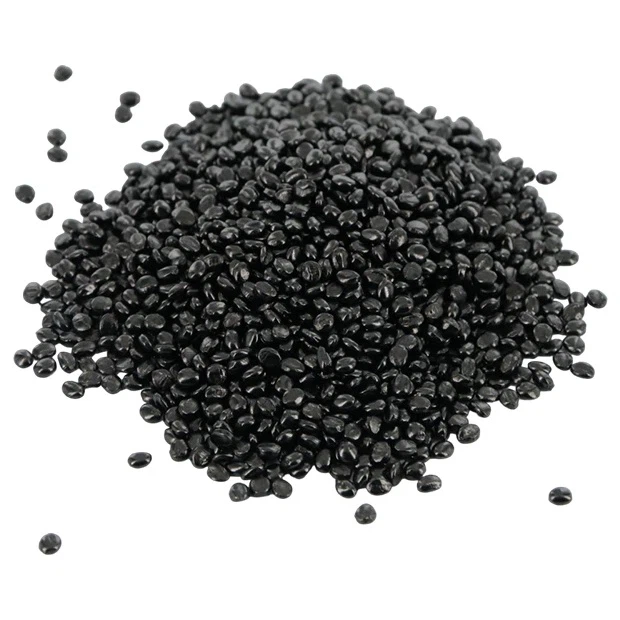
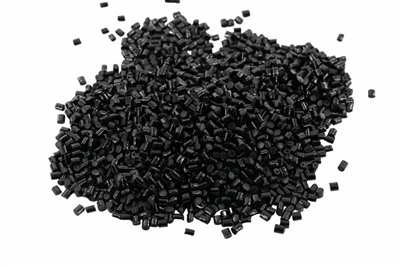
First off, what exactly is black masterbatch for filament? It's a concentrated form of black pigment that's used to color filaments, which are commonly used in 3D printing, plastic extrusion, and other manufacturing processes. Our black masterbatch is formulated to provide consistent, high - quality color and excellent dispersion in the filament matrix.
Now, onto the big question: does it need a specific drying process? The short answer is, it depends. In many cases, black masterbatch for filament can be used without any additional drying. Our manufacturing process is designed to ensure that the masterbatch has a low moisture content right from the start. We use state - of - the - art equipment and strict quality control measures to keep moisture at bay.
However, there are some situations where a drying process might be beneficial. For instance, if the storage conditions of the masterbatch are less than ideal. If it's been stored in a humid environment for an extended period, there's a chance that it could absorb some moisture. Moisture in the masterbatch can lead to issues like poor dispersion in the filament, which can result in inconsistent color and reduced mechanical properties of the final product.
Another scenario is when the manufacturing process is highly sensitive to moisture. Some advanced 3D printing techniques or high - precision plastic extrusion processes require extremely dry materials. In these cases, a little extra drying can go a long way in ensuring the best possible results.
If you do decide that a drying process is necessary, here are some tips. The most common method is using a desiccant dryer. These dryers work by passing hot, dry air over the masterbatch, which helps to remove any moisture. The temperature and duration of the drying process are crucial. You don't want to overheat the masterbatch, as this can damage the pigment and affect its performance. A good rule of thumb is to dry the masterbatch at a temperature between 60 - 80 degrees Celsius for about 2 - 4 hours.
Now, let's talk about the different types of black masterbatch for filament that we offer. We have Black Masterbatch for Drain Pipe, which is specifically formulated for use in drain pipes. This type of masterbatch needs to be resistant to environmental factors like water and chemicals, and it also has to provide long - lasting color.
Our Black Masterbatch For Pipe is suitable for a wide range of pipe manufacturing applications. Whether it's for plumbing pipes or industrial pipes, this masterbatch offers excellent color stability and dispersion.
And for those applications where food contact is involved, we have Food Contact Black Masterbatch. This masterbatch is made with food - grade materials and meets all the necessary safety standards.
In conclusion, while our black masterbatch for filament doesn't always require a specific drying process, it's important to assess your particular situation. Consider the storage conditions, the manufacturing process, and the type of application. If you're unsure, feel free to reach out to us. We're here to help you make the best decision for your needs.


If you're interested in purchasing our black masterbatch for filament, we'd love to have a chat with you. Whether you have questions about the product, the drying process, or anything else, we're just a message away. Let's start a conversation and see how we can work together to meet your requirements.
References
- "Plastic Additives Handbook" by Hans Zweifel
- "3D Printing Materials and Processes" by various industry experts