


Hey there! As a supplier of black masterbatch for film blown, I've gotten a ton of questions from customers about how it affects the printability of the film. So, I thought I'd sit down and write this blog to share my thoughts and experiences on the matter.
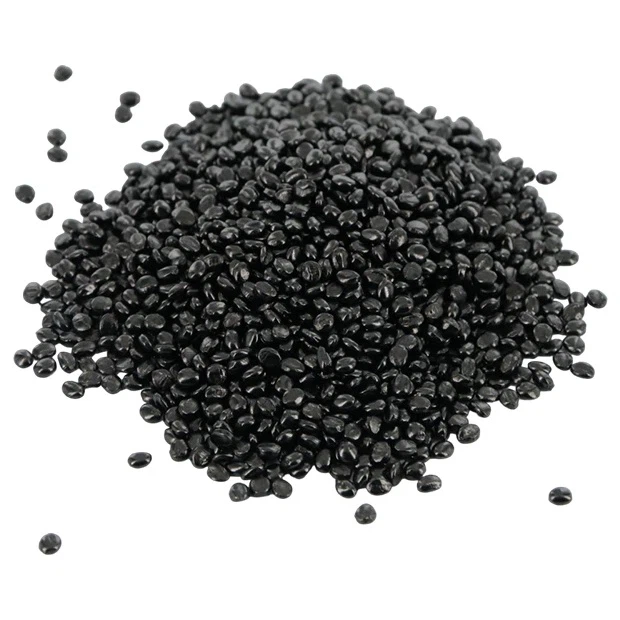
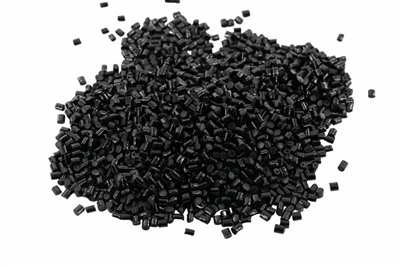
First off, let's quickly go over what black masterbatch for film blown is. It's a concentrated mixture of carbon black pigment and a carrier resin. When added to the base resin during the film - blowing process, it gives the film that classic black color. We've got different types of black masterbatch for various applications, like Black Masterbatch for Agriculture Film, Black Masterbatch for Toy, and Black Masterbatch for Garbage Bag.
Now, onto the big question: does it affect the printability of the film? Well, the answer isn't a simple yes or no. It depends on several factors.
1. Carbon Black Quality
The quality of the carbon black used in the masterbatch plays a huge role. High - quality carbon black has a more uniform particle size and better dispersion properties. When the carbon black particles are well - dispersed in the masterbatch, they form a smooth surface on the film. This smooth surface is great for printing because it allows the ink to adhere evenly.
On the other hand, if the carbon black has a wide range of particle sizes or is poorly dispersed, it can create a rough surface on the film. The rough surface makes it difficult for the ink to stick properly, leading to issues like uneven printing, smudging, or even ink peeling off. So, as a supplier, I always make sure to use top - notch carbon black in our masterbatch to minimize these problems.
2. Loading Level
The amount of black masterbatch added to the base resin, also known as the loading level, is another crucial factor. If you add too much masterbatch, the film may become too rich in carbon black. This can cause the film to have a high surface energy, which might repel the ink instead of allowing it to spread and adhere.
Conversely, if the loading level is too low, the film may not have enough black color, and it could also affect the printability in a different way. The ink might not show up as vividly as you'd like, especially if the background color of the film isn't dark enough. Finding the right loading level is a bit of a balancing act, but with our experience, we can help customers figure out the optimal amount for their specific printing needs.
3. Compatibility with Printing Inks
Not all black masterbatches are compatible with all types of printing inks. Different inks have different chemical compositions, and some may react with the components in the masterbatch. For example, some inks are water - based, while others are solvent - based. Water - based inks are more environmentally friendly, but they may require a different surface treatment on the film compared to solvent - based inks.
As a supplier, we work closely with ink manufacturers to ensure that our black masterbatch is compatible with a wide range of inks. We also conduct our own tests to see how the masterbatch performs with different inks, so we can give our customers the best advice on ink - masterbatch combinations.
4. Surface Treatment of the Film
Sometimes, even with a high - quality black masterbatch, the film may still need a surface treatment to improve printability. Surface treatments like corona treatment or plasma treatment can increase the surface energy of the film, making it more receptive to the ink.
Corona treatment is a common method where an electrical discharge is applied to the film surface. This creates free radicals on the surface, which react with the ink and improve adhesion. Plasma treatment works in a similar way but uses a different type of energy source. We often recommend these treatments to our customers if they're having trouble with printability, and in most cases, it makes a big difference.
Real - World Examples
I've had customers who were initially worried about the printability of their films after adding our black masterbatch. One customer was making garbage bags and wanted to print their logo on the bags. At first, they had some issues with the ink not sticking well. After we analyzed the situation, we found that the loading level was a bit too high. We adjusted the amount of masterbatch, and after a corona treatment, the printing came out great. The logo was sharp, and the ink didn't smudge even after handling the bags.
Another customer was using our black masterbatch for agricultural films. They wanted to print some instructions on the film for farmers. They were using a water - based ink, and at first, the ink was beading up on the film surface. We recommended a different type of surface treatment and a slight adjustment to the masterbatch formulation. After these changes, the printing was clear and long - lasting, even under outdoor conditions.


Conclusion
So, to sum it up, black masterbatch for film blown can affect the printability of the film, but it doesn't have to be a negative thing. By choosing a high - quality masterbatch, getting the right loading level, ensuring compatibility with the printing inks, and using appropriate surface treatments, you can achieve excellent print results.
If you're in the market for black masterbatch for your film - blowing needs and have questions about printability or any other aspect, don't hesitate to reach out. We're here to help you get the best out of your films and printing processes. Whether you're making agricultural films, toys, or garbage bags, we've got the expertise and the products to meet your requirements.
References
- "Plastics Additives Handbook" by Hans Zweifel
- "Printing on Plastics: Technology and Applications" by A. K. Bhowmick and H. L. Stephens