

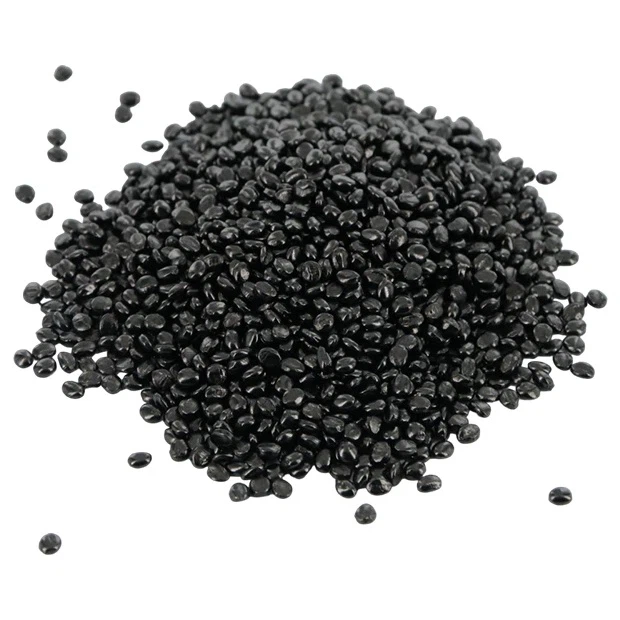
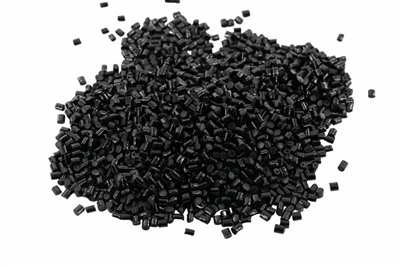

Hey there! As a supplier of black masterbatch for garbage bags, I've seen my fair share of issues when it comes to the agglomeration of these little color - powerhouses. Agglomeration can be a real pain in the butt, causing uneven color distribution, poor mechanical properties, and overall, a less - than - stellar end - product. So, let's dig into how we can prevent it.
Understanding the Root Causes
First off, we gotta understand why agglomeration happens in the first place. One of the main culprits is poor dispersion during the mixing process. When the black masterbatch isn't properly dispersed in the base resin, the pigment particles tend to clump together. This can be due to a variety of factors, like using the wrong mixing equipment or not mixing for long enough.
Another cause is the quality of the black masterbatch itself. If the pigment particles in the masterbatch are too large or have a wide particle size distribution, they're more likely to agglomerate. Also, if the masterbatch has a high moisture content, that can lead to clumping as well.
Choosing the Right Black Masterbatch
The first step in preventing agglomeration is to choose the right black masterbatch. You want a masterbatch that has a narrow particle size distribution. Smaller and more uniform particles are less likely to clump together. For example, our Black Masterbatch for Sheet is formulated with high - quality carbon black pigments that have been carefully processed to ensure a consistent particle size.
When it comes to the carrier resin in the masterbatch, it should be compatible with the base resin of the garbage bags. If the two resins don't play well together, it can cause dispersion problems and lead to agglomeration. We offer a range of masterbatches with different carrier resins to suit various types of base resins used in garbage bag production.
Proper Storage and Handling
How you store and handle the black masterbatch is super important. Always keep the masterbatch in a dry environment. Moisture can cause the pigment particles to stick together, so it's crucial to store it in sealed containers in a place with low humidity.
Before using the masterbatch, make sure to check its condition. If you notice any signs of clumping or moisture, it's best to discard the affected portion. And when you're transferring the masterbatch from storage to the mixing equipment, be careful not to introduce any contaminants that could cause agglomeration.
Mixing Techniques
The mixing process is where the magic happens, or where things can go wrong. First, you need to use the right mixing equipment. A high - intensity mixer is usually the way to go. It can apply enough shear force to break up any potential agglomerates and ensure proper dispersion of the masterbatch in the base resin.
The mixing time is also crucial. Don't rush it! You need to mix the masterbatch and the base resin for an adequate amount of time to achieve a homogeneous mixture. However, over - mixing can also be a problem as it can generate too much heat, which might degrade the resin and cause agglomeration.
Start by pre - blending the masterbatch with a small amount of the base resin. This pre - blend can then be added to the rest of the base resin for further mixing. This step - by - step approach helps to ensure better dispersion.
Temperature Control
Temperature plays a huge role in preventing agglomeration. During the mixing process, you need to keep the temperature within the right range. If it's too low, the resin might be too viscous, and the masterbatch won't disperse properly. On the other hand, if the temperature is too high, it can cause the resin to degrade and the pigment particles to agglomerate.


In the extrusion process, which is often used in garbage bag production, maintaining a consistent temperature is key. Use temperature sensors and controllers to monitor and adjust the temperature as needed.
Quality Control
Implementing a strict quality control system is essential. Regularly test the final garbage bags for color uniformity and mechanical properties. If you notice any signs of agglomeration, like color streaks or weak spots in the bags, you need to go back and check the entire production process.
Test the masterbatch itself for particle size distribution, moisture content, and other relevant properties on a regular basis. This way, you can catch any potential issues before they lead to agglomeration problems in the final product.
Using Additives
Sometimes, using additives can help prevent agglomeration. Dispersing agents can be added to the masterbatch or the base resin to improve the dispersion of the pigment particles. These agents work by reducing the surface tension between the particles, making them less likely to clump together.
Lubricants can also be beneficial. They can reduce the friction between the resin and the mixing equipment, as well as between the pigment particles. This helps to improve the flow of the material during the mixing and extrusion processes, reducing the chances of agglomeration.
Working with a Reliable Supplier
Partnering with a reliable supplier like us is a no - brainer. We have years of experience in producing high - quality black masterbatch for garbage bags. We conduct rigorous quality control checks on all our products to ensure they meet the highest standards.
Our Black Masterbatch for Shopping Bag and Food Contact Black Masterbatch are just some of the examples of our top - notch products. We're always here to provide technical support and advice on how to prevent agglomeration and improve the overall quality of your garbage bags.
Conclusion
Preventing the agglomeration of black masterbatch in garbage bags is a multi - step process. It starts with choosing the right masterbatch, proper storage and handling, using the correct mixing techniques, controlling the temperature, and implementing quality control measures. By following these steps and working with a reliable supplier, you can ensure that your garbage bags have a consistent color, good mechanical properties, and a high - quality finish.
If you're interested in learning more about our black masterbatch products or have any questions about preventing agglomeration, don't hesitate to reach out. We're here to help you take your garbage bag production to the next level. Let's have a chat and see how we can work together to solve your color and dispersion challenges.
References
- "Plastics Additives Handbook" by Hans Zweifel
- "Polymer Processing: Principles and Design" by R. T. Fenner