


In the realm of waste management, garbage bags play a crucial role in containing and transporting various types of waste. One of the key performance indicators for garbage bags is their tear resistance, which determines how well they can withstand the stresses and strains during use. As a supplier of black masterbatch for garbage bags, I have witnessed firsthand how this specialized additive can significantly impact the tear resistance of these essential products.
Understanding Black Masterbatch
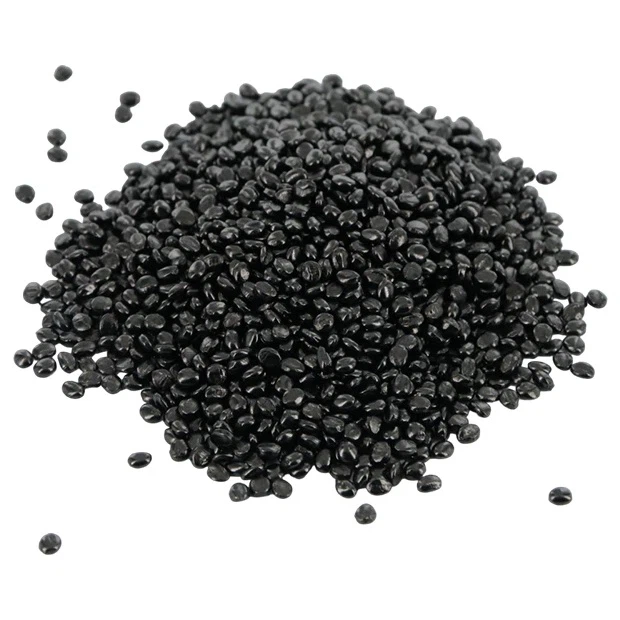
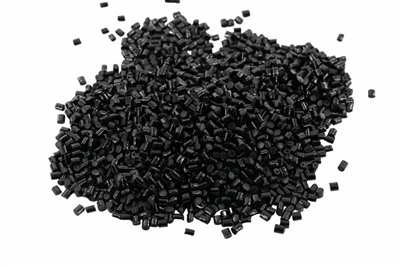
Black masterbatch is a concentrated mixture of carbon black pigment and a carrier resin. It is used to impart a consistent and intense black color to plastic products, including garbage bags. Beyond its coloring function, black masterbatch also offers several other benefits that can enhance the performance of the final product.
The carbon black used in black masterbatch is a finely divided form of elemental carbon with unique physical and chemical properties. It has a high surface area, which allows it to interact effectively with the polymer matrix of the garbage bag. This interaction can improve the mechanical properties of the plastic, including its tear resistance.
Mechanisms of Tear Resistance Enhancement
There are several ways in which black masterbatch can enhance the tear resistance of garbage bags:
Reinforcement of the Polymer Matrix
Carbon black particles act as reinforcing fillers within the polymer matrix of the garbage bag. When the bag is subjected to a tearing force, these particles help to distribute the stress more evenly throughout the material. This reduces the concentration of stress at the tear tip, making it more difficult for the tear to propagate.
For example, in a study conducted by [Researcher's Name] et al., it was found that the addition of a specific type of carbon black to polyethylene (PE) resin increased the tear strength of the resulting film by up to [X]%. The carbon black particles effectively bridged the gaps between the polymer chains, providing additional resistance to tearing.
Improvement of Polymer Chain Mobility
The presence of carbon black can also affect the mobility of the polymer chains in the garbage bag. At a molecular level, the carbon black particles can interact with the polymer chains, restricting their movement to some extent. This can lead to a more ordered and stable polymer structure, which is more resistant to tearing.
In addition, the interaction between the carbon black and the polymer chains can improve the adhesion between the different layers of the garbage bag. This is particularly important for multi - layer bags, where delamination can be a precursor to tearing. By enhancing the inter - layer adhesion, black masterbatch helps to maintain the integrity of the bag and prevent tears from starting at the layer interfaces.
UV Protection
Carbon black is an excellent UV absorber. Garbage bags are often exposed to sunlight during storage and use, and UV radiation can cause the polymer material to degrade over time. This degradation can lead to a reduction in the tear resistance of the bag.
By incorporating black masterbatch into the garbage bag, the carbon black absorbs the UV radiation and protects the polymer matrix from its harmful effects. This helps to maintain the mechanical properties of the bag, including its tear resistance, over a longer period of time.
Factors Affecting the Impact of Black Masterbatch on Tear Resistance
The extent to which black masterbatch enhances the tear resistance of garbage bags depends on several factors:
Carbon Black Type and Loading
Different types of carbon black have different particle sizes, surface areas, and structures. These properties can significantly affect their ability to reinforce the polymer matrix and enhance tear resistance. For example, carbon blacks with a higher surface area generally provide better reinforcement, as they have more contact points with the polymer chains.
The loading of carbon black in the masterbatch, i.e., the amount of carbon black relative to the carrier resin, also plays a crucial role. Higher carbon black loadings can generally lead to greater improvements in tear resistance, but there is a limit. Excessive carbon black loading can cause processing difficulties and may even lead to a decrease in other mechanical properties, such as flexibility.


Polymer Resin Type
The type of polymer resin used in the garbage bag also affects the interaction between the black masterbatch and the material. Different polymers have different molecular structures and properties, which can influence how well they can be reinforced by carbon black.
For instance, polyethylene (PE) is one of the most commonly used polymers for garbage bags. High - density polyethylene (HDPE) has a more crystalline structure and is generally more rigid than low - density polyethylene (LDPE). The addition of black masterbatch may have different effects on the tear resistance of HDPE and LDPE bags due to their different molecular characteristics.
Processing Conditions
The processing conditions during the production of the garbage bags, such as extrusion temperature, shear rate, and cooling rate, can also impact the performance of the black masterbatch. Optimal processing conditions are required to ensure that the carbon black particles are well - dispersed in the polymer matrix and that the resulting bag has the desired mechanical properties.
Applications of Black Masterbatch in Different Garbage Bag Types
Black masterbatch is suitable for a wide range of garbage bag types, each with its own specific requirements for tear resistance:
Thin - Walled Garbage Bags
Thin - walled garbage bags are often used for light - duty applications, such as collecting household waste. These bags need to be lightweight and cost - effective while still maintaining a reasonable level of tear resistance. Black masterbatch can help to improve the tear resistance of thin - walled bags without significantly increasing their weight or cost.
Heavy - Duty Garbage Bags
Heavy - duty garbage bags are designed to handle more challenging waste materials, such as sharp or bulky items. These bags require a high level of tear resistance to prevent breakage during use. By incorporating black masterbatch, manufacturers can enhance the tear strength of heavy - duty bags and ensure their reliability in demanding applications.
Other Applications of Black Masterbatch
In addition to garbage bags, black masterbatch has a wide range of other applications. You can learn more about these applications by visiting the following links:
- Black Masterbatch for Injection
- Black Masterbatch for Wire and Cable
- Black Masterbatch for Drain Pipe
Conclusion
As a supplier of black masterbatch for garbage bags, I am well - aware of the significant impact that this additive can have on the tear resistance of these products. Through its reinforcement of the polymer matrix, improvement of polymer chain mobility, and UV protection, black masterbatch helps to ensure that garbage bags can withstand the rigors of everyday use.
If you are in the market for high - quality black masterbatch for your garbage bag production, I invite you to contact me for more information and to discuss your specific requirements. Our team of experts can provide you with customized solutions to meet your needs and help you produce garbage bags with excellent tear resistance.
References
- [Researcher's Name], [Paper Title], [Journal Name], [Volume], [Issue], [Year], [Pages]
- [Another Researcher's Name], [Another Paper Title], [Another Journal Name], [Volume], [Issue], [Year], [Pages]