

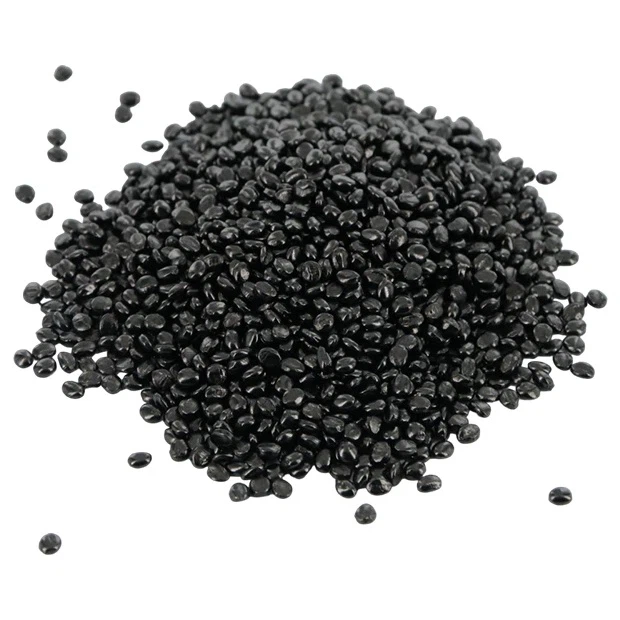
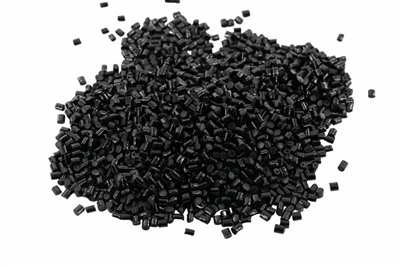

As a supplier of black masterbatch for filament, I've witnessed firsthand the complex and fascinating interaction between black masterbatch and anti - oxidants in filaments. This topic is crucial for understanding how to optimize the performance and longevity of filaments, which in turn affects the quality of the final products made from these filaments.
Understanding Black Masterbatch for Filament
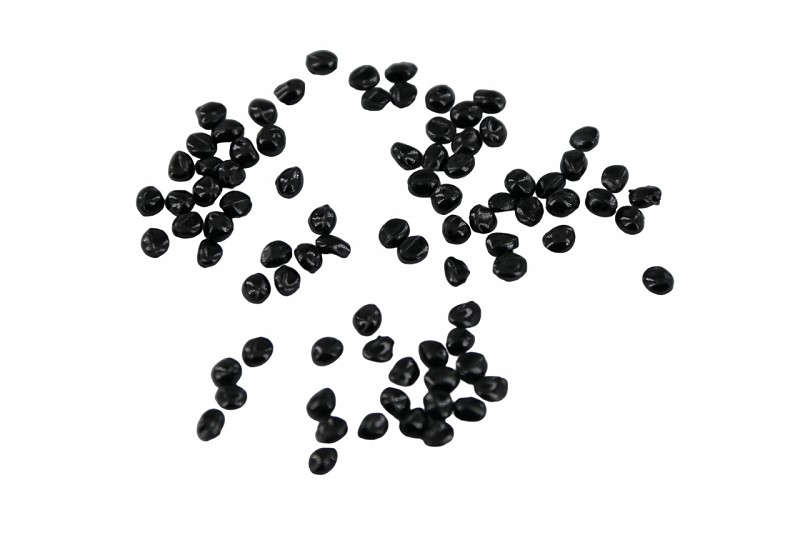
Black masterbatch for filament is a concentrated mixture of carbon black pigment and a carrier resin. Carbon black is a key component due to its excellent light - absorbing properties, which not only give the filament a deep black color but also provide UV protection. The carrier resin is carefully selected to ensure good dispersion of the carbon black throughout the filament matrix.
The quality of black masterbatch can significantly impact the mechanical and aesthetic properties of the filament. For example, a well - dispersed black masterbatch will result in a filament with a uniform color and consistent mechanical strength. On the other hand, poor dispersion can lead to color streaks and weak spots in the filament. You can find more information about different types of black masterbatch, such as Black Masterbatch For Granulation, Black Masterbatch for Injection, and Black Masterbatch for Sunshade Net on our website.
Role of Anti - oxidants in Filaments
Anti - oxidants are additives used in filaments to prevent or slow down the oxidation process. Oxidation is a chemical reaction that occurs when polymers in the filament come into contact with oxygen in the air, heat, or other reactive substances. This reaction can lead to the degradation of the polymer chains, resulting in a loss of mechanical properties such as strength, flexibility, and toughness.
There are two main types of anti - oxidants commonly used in filaments: primary anti - oxidants and secondary anti - oxidants. Primary anti - oxidants work by scavenging free radicals, which are highly reactive molecules that initiate the oxidation process. Secondary anti - oxidants, on the other hand, decompose hydroperoxides, which are intermediate products of the oxidation reaction.
Interaction Mechanisms
The interaction between black masterbatch and anti - oxidants in filaments is multi - faceted. One of the primary ways they interact is through physical and chemical adsorption. Carbon black in the black masterbatch has a large surface area, which can adsorb anti - oxidants onto its surface. This adsorption can have both positive and negative effects.
On the positive side, the adsorption of anti - oxidants on carbon black can provide a more uniform distribution of anti - oxidants in the filament matrix. This helps to ensure that the anti - oxidants are present where they are most needed, near the polymer chains that are susceptible to oxidation. Additionally, the carbon black can act as a physical barrier, protecting the anti - oxidants from premature degradation by heat or other environmental factors.
However, there can also be negative aspects to this interaction. If the adsorption is too strong, it may reduce the mobility of the anti - oxidants, limiting their ability to diffuse through the polymer matrix and reach the sites of oxidation. This can result in a less effective anti - oxidation protection.
Another important interaction mechanism is related to the electrical properties of carbon black. Carbon black is electrically conductive, and this property can influence the oxidation process in the filament. In some cases, the presence of carbon black can accelerate the oxidation of the polymer if it acts as a catalyst for the reaction. Anti - oxidants can counteract this effect by scavenging free radicals generated by the conductive carbon black.

Impact on Filament Performance
The interaction between black masterbatch and anti - oxidants has a significant impact on the performance of the filament. In terms of color stability, a proper balance between the two can prevent color fading over time. Oxidation can cause the carbon black in the black masterbatch to react with oxygen, leading to a change in color. Anti - oxidants help to maintain the integrity of the carbon black, ensuring that the filament retains its deep black color.
Mechanical performance is also affected. Oxidation can cause the polymer chains in the filament to break, resulting in a loss of strength and flexibility. By preventing oxidation, the combination of black masterbatch and anti - oxidants helps to maintain the mechanical properties of the filament. For example, filaments used in 3D printing require good mechanical strength to produce high - quality prints. The interaction between black masterbatch and anti - oxidants ensures that the filament can withstand the stresses during the printing process.
Factors Affecting the Interaction
Several factors can affect the interaction between black masterbatch and anti - oxidants in filaments. The type and concentration of carbon black in the black masterbatch play a crucial role. Different types of carbon black have different surface properties, which can influence the adsorption of anti - oxidants. Higher concentrations of carbon black may increase the surface area available for adsorption but can also lead to more intense interactions, potentially reducing the effectiveness of the anti - oxidants.
The type and concentration of anti - oxidants also matter. Different anti - oxidants have different chemical structures and reactivities, which can affect their interaction with carbon black. The concentration of anti - oxidants needs to be carefully optimized to ensure that there is enough to provide effective anti - oxidation protection without causing negative interactions with the black masterbatch.
Processing conditions such as temperature, shear rate, and mixing time during the production of the filament can also impact the interaction. High temperatures can accelerate the oxidation process and may affect the adsorption and reactivity of the anti - oxidants. Shear forces during mixing can influence the dispersion of the black masterbatch and anti - oxidants in the filament matrix.
Optimizing the Interaction
To optimize the interaction between black masterbatch and anti - oxidants in filaments, a systematic approach is required. First, it is essential to select the appropriate type and concentration of black masterbatch and anti - oxidants based on the specific requirements of the filament. For example, filaments used in outdoor applications may require a higher concentration of anti - oxidants to protect against UV - induced oxidation.
Second, the processing conditions need to be carefully controlled. This includes adjusting the temperature, shear rate, and mixing time to ensure proper dispersion of the black masterbatch and anti - oxidants in the filament matrix. Advanced mixing technologies can be used to improve the dispersion and reduce the likelihood of negative interactions.
Finally, continuous research and development are necessary to understand the complex interaction mechanisms better. By conducting experiments and analyzing the results, we can develop new formulations and processing methods to enhance the performance of filaments.
Conclusion
The interaction between black masterbatch and anti - oxidants in filaments is a complex but crucial aspect of filament production. Understanding this interaction can help us optimize the performance of filaments in terms of color stability, mechanical properties, and longevity. As a supplier of black masterbatch for filament, we are committed to providing high - quality products and technical support to our customers.
If you are interested in learning more about our black masterbatch products or have any questions regarding the interaction between black masterbatch and anti - oxidants in filaments, we encourage you to contact us for further discussion and potential procurement. We look forward to working with you to develop the best filament solutions for your specific needs.
References
- "Polymer Additives Handbook" by Hans Zweifel. This comprehensive handbook provides in - depth information on various polymer additives, including anti - oxidants, and their interactions with different polymer systems.
- "Carbon Black: Science and Technology" by Donnet, Custodero, and Wang. This book offers detailed knowledge about the properties and applications of carbon black, which is the main component of black masterbatch.
- Research papers on polymer oxidation and stabilization from scientific journals such as "Polymer Degradation and Stability" and "Journal of Applied Polymer Science". These papers present the latest research findings on the oxidation process in polymers and the role of anti - oxidants in preventing it.