

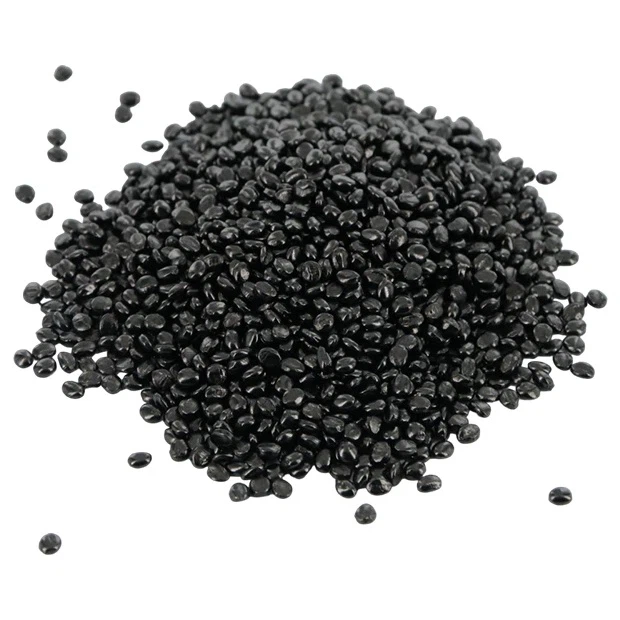
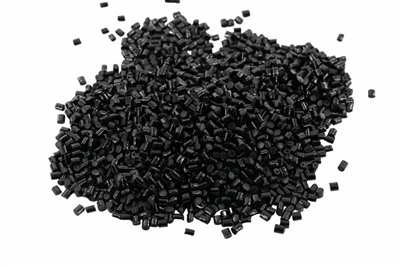

Uniform distribution of no carrier black masterbatch in the material is crucial for achieving consistent color, mechanical properties, and overall quality in the final product. As a supplier of no carrier black masterbatch, I understand the challenges and importance of ensuring this uniform distribution. In this blog, I'll share some practical strategies and insights to help you achieve optimal results.
Understanding No Carrier Black Masterbatch
Before delving into the distribution methods, it's essential to understand what no carrier black masterbatch is. No carrier black masterbatch consists of high - concentration carbon black pigments without a carrier resin. This type of masterbatch offers several advantages, such as high pigment loading, compatibility with a wide range of polymers, and reduced risk of introducing unwanted additives. However, its lack of a carrier resin can make it more challenging to disperse evenly in the base material.
Pre - blending Techniques
Dry Blending
Dry blending is one of the most common pre - blending techniques. It involves mixing the no carrier black masterbatch with the base polymer in a dry state. This can be done using a simple tumbler mixer or a high - intensity mixer. The key to successful dry blending is to ensure that the particles of the masterbatch are evenly distributed among the polymer pellets.
- Tumbler Mixer: A tumbler mixer rotates the materials in a drum, allowing them to mix through the tumbling action. This method is relatively gentle and is suitable for polymers that are sensitive to shear. However, it may require a longer mixing time to achieve a uniform blend.
- High - Intensity Mixer: High - intensity mixers use a high - speed rotating blade to disperse the masterbatch in the polymer. This method is more efficient and can achieve a more uniform blend in a shorter time. But it may generate heat, which can be a concern for heat - sensitive polymers.
Wet Blending
In some cases, wet blending can be used to improve the distribution of no carrier black masterbatch. This involves dissolving or dispersing the masterbatch in a liquid medium, such as a solvent or a plasticizer, and then mixing it with the polymer.


- Solvent Blending: Solvent blending can be effective for polymers that are soluble in certain solvents. The masterbatch is first dispersed in the solvent, and then the polymer is added and dissolved. After that, the solvent is removed through evaporation, leaving behind a well - dispersed blend. However, this method requires careful handling of solvents due to their flammability and toxicity.
- Plasticizer Blending: Using a plasticizer as a dispersing medium is a safer alternative. The masterbatch is dispersed in the plasticizer, and then the mixture is added to the polymer during the processing. This method can improve the flow properties of the polymer and enhance the dispersion of the masterbatch.
Processing Conditions
Extrusion
Extrusion is a widely used processing method for polymer materials. During extrusion, the polymer and the masterbatch are melted and forced through a die to form a continuous profile. To ensure uniform distribution of the no carrier black masterbatch in extrusion:
- Screw Design: The screw design of the extruder plays a crucial role in dispersion. A screw with a high mixing section, such as a Maddock mixer or a pineapple mixer, can enhance the shearing and mixing of the materials. These mixing elements break up the agglomerates of the masterbatch and distribute them evenly in the molten polymer.
- Temperature and Pressure: Proper temperature and pressure control are essential. The temperature should be high enough to melt the polymer and the masterbatch but not too high to cause degradation. The pressure should be sufficient to ensure that the materials are well - mixed throughout the extruder.
Injection Molding
In injection molding, the polymer and the masterbatch are melted in a barrel and then injected into a mold cavity. To achieve uniform distribution in injection molding:
- Back Pressure: Increasing the back pressure in the injection molding machine can improve the mixing of the materials. The back pressure forces the molten polymer and the masterbatch to circulate in the barrel, enhancing the dispersion of the masterbatch.
- Injection Speed and Temperature: The injection speed and temperature should be optimized. A higher injection speed can help to distribute the materials more evenly in the mold cavity, while the temperature should be set to ensure proper flow and mixing.
Quality Control
Sampling and Testing
Regular sampling and testing are necessary to ensure the uniform distribution of no carrier black masterbatch in the final product. Samples can be taken at different stages of the production process, such as after pre - blending, extrusion, or injection molding.
- Visual Inspection: Visual inspection can provide a quick assessment of the distribution. Look for any streaks, spots, or uneven coloration in the samples. If there are visible signs of poor distribution, adjustments need to be made to the pre - blending or processing conditions.
- Microscopic Analysis: Microscopic analysis can provide more detailed information about the dispersion of the masterbatch. Using a scanning electron microscope (SEM) or an optical microscope, the size and distribution of the carbon black particles can be observed. This can help to identify any agglomerates or areas of poor dispersion.
Color Measurement
Color measurement is another important quality control method. Using a colorimeter or a spectrophotometer, the color of the samples can be measured and compared to a standard. Any significant deviation in color may indicate poor distribution of the masterbatch.
Compatibility Considerations
The compatibility between the no carrier black masterbatch and the base polymer is also a critical factor in achieving uniform distribution. Different polymers have different polarities, viscosities, and melting points, which can affect the dispersion of the masterbatch.
- Polarity Matching: If the polarity of the masterbatch and the polymer is similar, they are more likely to be compatible and disperse evenly. For example, a masterbatch with a polar surface is more likely to disperse well in a polar polymer, such as PC Black Masterbatch.
- Viscosity Adjustment: The viscosity of the polymer and the masterbatch should be carefully considered. If the viscosity of the masterbatch is too high compared to the polymer, it may be difficult to disperse. In some cases, additives can be used to adjust the viscosity of the materials to improve compatibility.
Conclusion
Ensuring the uniform distribution of no carrier black masterbatch in the material is a complex process that requires careful consideration of pre - blending techniques, processing conditions, quality control, and compatibility. By following the strategies outlined in this blog, you can achieve better dispersion and improve the quality of your final products.
As a supplier of No Carrier Black Masterbatch, I am committed to providing high - quality products and technical support to help you solve the challenges related to masterbatch distribution. Whether you are using our masterbatch in PC Black Masterbatch applications or ABS Black Masterbatch applications, we can offer customized solutions to meet your specific needs.
If you are interested in our no carrier black masterbatch or need further advice on ensuring its uniform distribution, please feel free to contact us for procurement and technical discussions. We look forward to working with you to achieve the best results in your polymer processing.
References
- "Plastics Additives Handbook" by Hans Zweifel
- "Polymer Processing: Principles and Design" by R. T. Fenner
- "Colorants for Polymers: Industrial, Environmental, and Health Aspects" by G. P. Bierwagen