

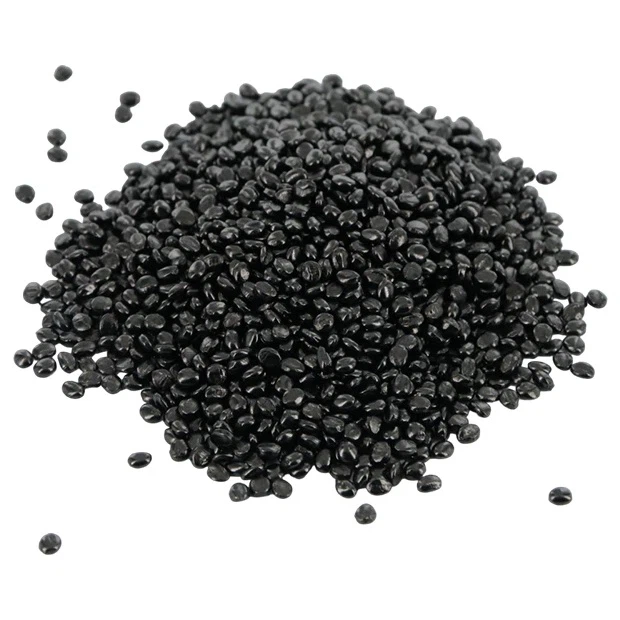
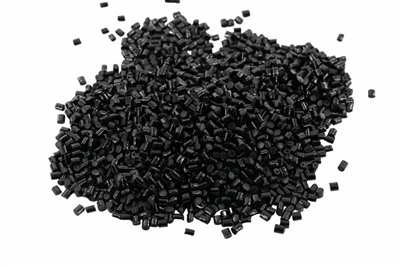

Proper storage of black masterbatch for toys is crucial to maintain its quality and performance. As a supplier of black masterbatch for toys, I understand the significance of providing guidance on this topic. In this blog post, I will share some essential tips on how to store black masterbatch for toys properly.
Understanding the Characteristics of Black Masterbatch for Toys
Before delving into the storage methods, it's important to understand the characteristics of black masterbatch for toys. Black masterbatch is a concentrated mixture of carbon black pigment and a carrier resin. It is used to impart black color to plastic toys during the manufacturing process. The quality of the black masterbatch can be affected by various factors such as temperature, humidity, light, and oxygen. Therefore, proper storage conditions are necessary to prevent degradation and ensure consistent performance.
Ideal Storage Conditions
Temperature
The ideal storage temperature for black masterbatch for toys is between 20°C and 25°C (68°F - 77°F). Extreme temperatures can cause the masterbatch to degrade, leading to changes in color, dispersion, and mechanical properties. High temperatures can accelerate the oxidation of the carbon black pigment, resulting in a loss of color intensity and an increase in viscosity. On the other hand, low temperatures can make the masterbatch brittle and difficult to process. It is important to store the masterbatch in a temperature - controlled environment to avoid these issues.
Humidity
Humidity is another critical factor that can affect the quality of black masterbatch. Excessive moisture can cause the masterbatch to agglomerate, making it difficult to disperse evenly in the plastic matrix. It can also lead to the growth of mold and bacteria, which can contaminate the masterbatch and pose a risk to the safety of the toys. The relative humidity in the storage area should be maintained between 40% and 60%. To control humidity, you can use dehumidifiers or moisture - absorbing materials in the storage facility.
Light
Exposure to direct sunlight or strong artificial light can cause the carbon black pigment in the masterbatch to degrade. Ultraviolet (UV) light, in particular, can break down the chemical bonds in the carbon black, leading to a loss of color and a reduction in the masterbatch's performance. Therefore, the masterbatch should be stored in a dark place or in opaque containers to protect it from light.
Oxygen
Oxygen can react with the carbon black pigment in the masterbatch, causing oxidation and degradation. To minimize the exposure to oxygen, the masterbatch should be stored in sealed containers. Vacuum - sealed bags or airtight drums are ideal for storing black masterbatch. If the masterbatch is stored in open containers, it should be used as soon as possible to prevent oxidation.
Storage Containers
The choice of storage containers is also important for proper storage of black masterbatch for toys. The containers should be made of materials that are compatible with the masterbatch and can protect it from the external environment.
Plastic Bags
Plastic bags are a common choice for storing black masterbatch. They are lightweight, inexpensive, and can be easily sealed. However, they may not provide sufficient protection against moisture and oxygen. Therefore, it is recommended to use high - density polyethylene (HDPE) or polypropylene (PP) bags with good barrier properties. These bags can be further protected by placing them in cardboard boxes or metal drums.
Metal Drums
Metal drums are a more durable and secure option for storing black masterbatch. They can provide excellent protection against moisture, oxygen, and light. However, they are heavier and more expensive than plastic bags. Metal drums should be clean and dry before use, and they should be sealed tightly to prevent any leakage or contamination.
Silos
For large - scale storage, silos can be used. Silos are large storage containers that can hold a significant amount of masterbatch. They are usually made of stainless steel or concrete and can be equipped with temperature and humidity control systems. Silos provide a stable and secure storage environment, but they require a significant investment in terms of installation and maintenance.
Handling and Transportation
Proper handling and transportation are also essential to ensure the quality of black masterbatch during storage.
Handling
When handling black masterbatch, it is important to use clean and dry equipment. Contamination from dust, dirt, or other materials can affect the quality of the masterbatch. Gloves and masks should be worn to prevent skin contact and inhalation of the masterbatch particles. The masterbatch should be transferred gently to avoid any damage or breakage.
Transportation
During transportation, the masterbatch should be protected from extreme temperatures, humidity, and vibration. It should be transported in sealed containers and loaded carefully to prevent any damage. If the transportation time is long, it is advisable to monitor the temperature and humidity inside the transportation vehicle to ensure that the storage conditions are maintained.
Different Types of Black Masterbatch and Their Storage Considerations
There are different types of black masterbatch available for toys, such as Black Masterbatch for Injection, Black Masterbatch for Foaming, and Black Masterbatch for Home Appliances. Each type may have specific storage requirements based on its formulation and intended use.
Black Masterbatch for Injection
This type of masterbatch is designed for use in injection molding processes. It usually has a high melting point and good flow properties. When storing black masterbatch for injection, it is important to ensure that the storage temperature does not exceed the melting point of the carrier resin. Otherwise, the masterbatch may melt and stick together, making it difficult to process.
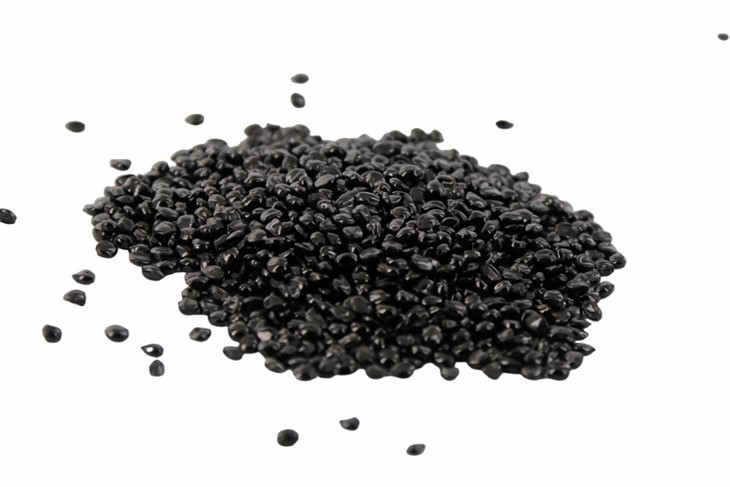

Black Masterbatch for Foaming
Black masterbatch for foaming is used in the production of foamed plastic toys. It contains additives that help in the foaming process. These additives can be sensitive to temperature and humidity. Therefore, it is crucial to store this type of masterbatch in a stable environment to prevent the degradation of the additives.
Black Masterbatch for Home Appliances
Although this type is mainly for home appliances, it can also be used in some high - quality toys. It often has strict requirements for color stability and dispersion. Proper storage is necessary to maintain these properties, especially in terms of protection from light and oxygen.
Regular Inspection
Regular inspection of the stored black masterbatch is essential to detect any signs of degradation or contamination. The masterbatch should be visually inspected for changes in color, texture, and appearance. Any signs of agglomeration, discoloration, or mold growth should be addressed immediately. Samples can also be taken periodically for quality testing to ensure that the masterbatch meets the required specifications.
Conclusion
Proper storage of black masterbatch for toys is essential to maintain its quality and performance. By controlling the temperature, humidity, light, and oxygen levels, choosing the right storage containers, and following proper handling and transportation procedures, you can ensure that the masterbatch remains in good condition until it is used in the toy manufacturing process. Different types of black masterbatch may have specific storage requirements, so it is important to be aware of these differences.
If you are in the toy manufacturing industry and are interested in purchasing high - quality black masterbatch, we are here to provide you with the best products and services. Our black masterbatch is formulated to meet the strict safety and quality standards for toys. Please feel free to contact us for more information and to start a procurement negotiation. We look forward to working with you to create safe and colorful toys.
References
- "Plastic Masterbatch: Technology, Manufacturing, and Applications" by Anand I. Isayev and K. T. Loh
- "Handbook of Plastic Materials and Technology" edited by Irvin I. Rubin