


The modulus of elasticity, also known as Young's modulus, is a fundamental mechanical property that describes the stiffness of a material. It represents the ratio of stress to strain within the elastic deformation range of a material. In the automotive industry, materials' modulus of elasticity is crucial as it impacts vehicle performance, safety, and durability. As a leading supplier of black masterbatch for automotive applications, we are often asked about how the addition of our black masterbatch affects the modulus of elasticity of automotive materials.
Understanding Black Masterbatch in Automotive Applications
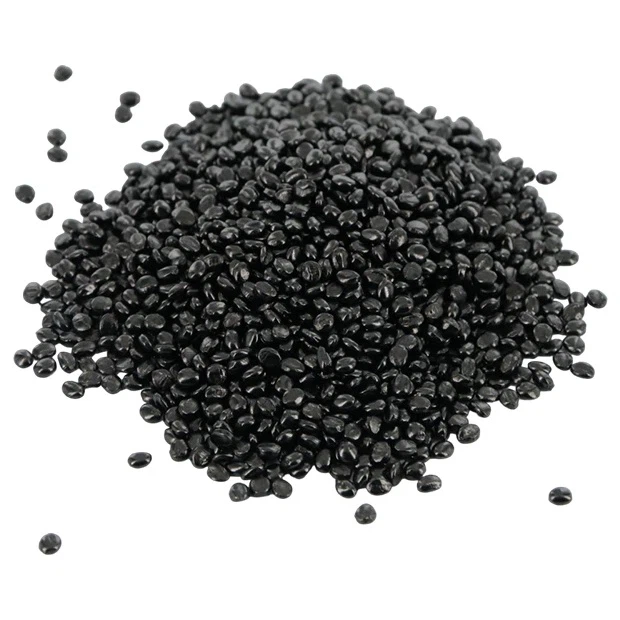
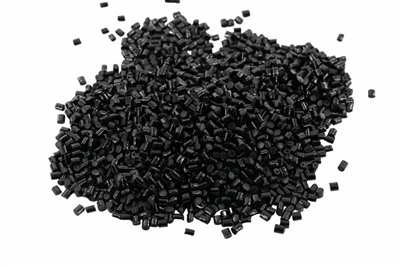
Black masterbatch is a concentrated mixture of carbon black pigment and a carrier resin. It is used to impart black color to various automotive components, such as interior trims, exterior parts, and under - the - hood components. Our company offers a wide range of black masterbatch products, including No Carrier Black Masterbatch and PS Black Masterbatch. These masterbatches are formulated to meet the specific requirements of the automotive industry, such as high color strength, good dispersion, and excellent heat and light stability.
Factors Affecting the Modulus of Elasticity Change
When black masterbatch is added to automotive materials, several factors can influence the change in the modulus of elasticity.

Carbon Black Content
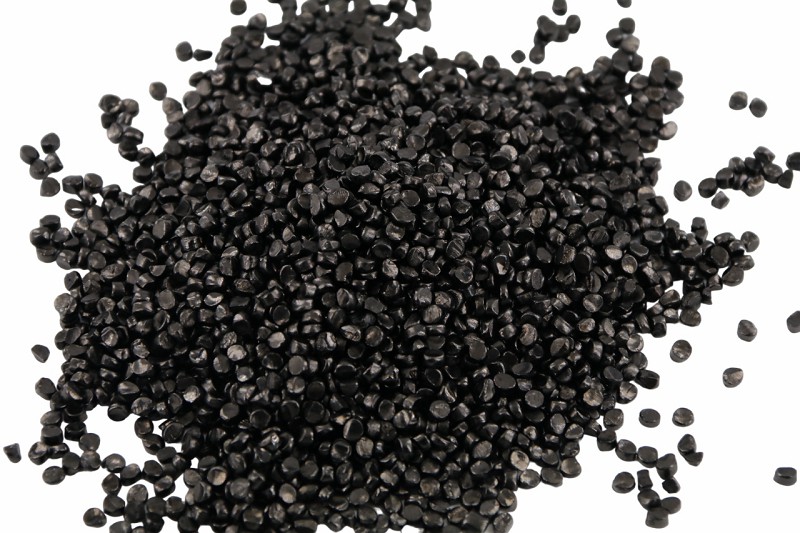
Carbon black is the main pigment in black masterbatch. The amount of carbon black in the masterbatch can significantly affect the modulus of elasticity of the final automotive material. Generally, as the carbon black content increases, the modulus of elasticity of the material also increases. Carbon black particles act as reinforcing fillers, which can restrict the movement of polymer chains in the matrix material. This leads to an increase in the stiffness of the material and thus a higher modulus of elasticity. However, if the carbon black content is too high, it may cause poor dispersion, which can result in a decrease in mechanical properties, including the modulus of elasticity.
Dispersion Quality
The dispersion of carbon black in the polymer matrix is another critical factor. Good dispersion ensures that the carbon black particles are evenly distributed throughout the material, allowing them to effectively reinforce the polymer matrix. Our No Carrier Black Masterbatch is designed to have excellent dispersion properties. With advanced manufacturing techniques, we can achieve a high - quality dispersion of carbon black in the masterbatch, which helps to maximize the increase in the modulus of elasticity without sacrificing other mechanical properties.
Polymer Matrix Properties
The type and properties of the polymer matrix also play an important role. Different polymers have different inherent moduli of elasticity. For example, engineering plastics such as polycarbonate (PC) and polyamide (PA) have relatively high moduli of elasticity compared to polyolefins like polyethylene (PE) and polypropylene (PP). When black masterbatch is added to these polymers, the change in the modulus of elasticity will depend on the interaction between the carbon black and the specific polymer. In some cases, the addition of black masterbatch may enhance the modulus of elasticity more significantly in polymers with lower initial stiffness.
Processing Conditions
The processing conditions during the production of automotive components can also affect the modulus of elasticity change. Factors such as temperature, pressure, and shear rate during extrusion or injection molding can influence the orientation of polymer chains and the dispersion of carbon black. Optimal processing conditions are required to ensure that the black masterbatch is well - incorporated into the polymer matrix and that the desired modulus of elasticity is achieved.
Case Studies
To better understand the modulus of elasticity change of automotive materials with black masterbatch, let's look at some case studies.
Interior Trim Parts
In the production of automotive interior trim parts, polypropylene (PP) is a commonly used material. When our PS Black Masterbatch is added to PP, we have observed an increase in the modulus of elasticity. In a typical experiment, a PP sample without black masterbatch had a modulus of elasticity of about 1.5 GPa. After adding 5% of our PS Black Masterbatch, the modulus of elasticity increased to approximately 1.7 GPa. This increase in stiffness can improve the dimensional stability of the interior trim parts, reducing the risk of warping and deformation over time.
Exterior Bumper Covers
For exterior bumper covers, thermoplastic olefin (TPO) is often used. By incorporating our black masterbatch into TPO, we can enhance the material's modulus of elasticity. A TPO sample with a low modulus of elasticity of around 0.8 GPa showed an increase to about 1.0 GPa after the addition of 3% of our No Carrier Black Masterbatch. This increase in stiffness can improve the impact resistance of the bumper cover, providing better protection for the vehicle in case of collisions.
Benefits of Modulus of Elasticity Change in Automotive Applications
The change in the modulus of elasticity of automotive materials with black masterbatch offers several benefits.
Improved Dimensional Stability
An increase in the modulus of elasticity can improve the dimensional stability of automotive components. This is particularly important for parts that need to maintain their shape and size under different environmental conditions, such as temperature and humidity changes. For example, interior trim parts and exterior body panels can remain flat and free of distortion, enhancing the overall appearance and fit of the vehicle.
Enhanced Impact Resistance
Higher modulus of elasticity generally means better impact resistance. In the event of a collision, automotive components with a higher modulus of elasticity can absorb more energy and resist deformation better. This can improve the safety of the vehicle and reduce the cost of repairs.
Design Flexibility
The ability to adjust the modulus of elasticity by adding black masterbatch provides more design flexibility for automotive engineers. They can tailor the mechanical properties of materials to meet the specific requirements of different automotive components, such as lightweighting without sacrificing strength.
Conclusion
The addition of black masterbatch to automotive materials can have a significant impact on the modulus of elasticity. By carefully controlling factors such as carbon black content, dispersion quality, polymer matrix properties, and processing conditions, we can achieve the desired change in the modulus of elasticity to meet the specific needs of the automotive industry. As a leading supplier of black masterbatch for automotive applications, we are committed to providing high - quality products that can help our customers improve the performance and quality of their automotive components.
If you are interested in learning more about our black masterbatch products and how they can affect the modulus of elasticity of your automotive materials, please feel free to contact us for further discussion and procurement negotiation. We look forward to working with you to meet your specific automotive material requirements.
References
- Callister, W. D., & Rethwisch, D. G. (2011). Materials Science and Engineering: An Introduction. Wiley.
- Ehrenstein, G. W., Pongratz, H., & Weinmann, S. (2004). Plastics Additives Handbook. Hanser Publishers.
- Rosato, D. V., & Rosato, D. P. (2004). Injection Molding Handbook. Kluwer Academic Publishers.