


Hey there! As a supplier of black masterbatch for foaming, I've been getting a lot of questions lately about how our product influences the acoustic properties of foamed products. So, I thought I'd take a deep dive into this topic and share what I've learned over the years.
What is Black Masterbatch for Foaming?
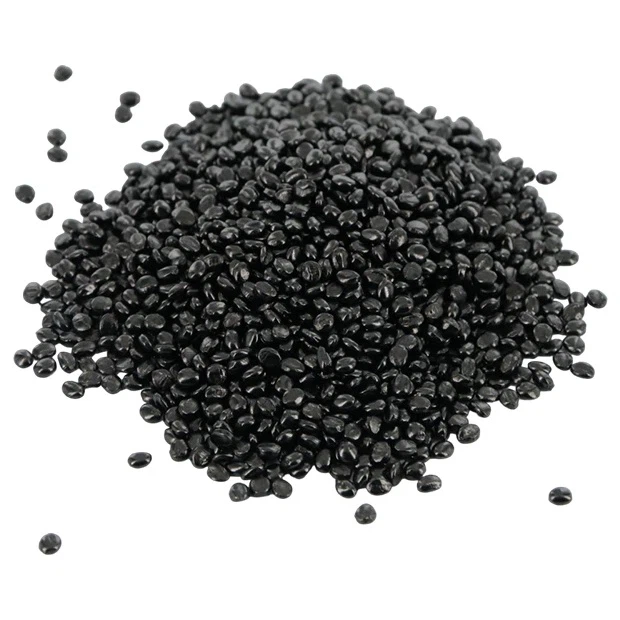
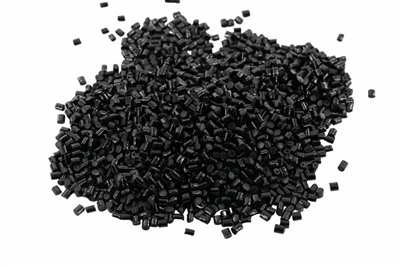
First off, let's quickly go over what black masterbatch for foaming is. It's a concentrated mixture of carbon black pigment and a carrier resin that's specifically designed for use in foam production. The carbon black gives the foam its characteristic black color, but it also has other important functions.
We offer different types of black masterbatch for various applications. For example, our Engineering Compounding Black Masterbatch is great for engineering plastics, while the Black Masterbatch for Wire and Cable is tailored to meet the requirements of the wire and cable industry. And if you're working on sheet production, our Black Masterbatch for Sheet is the way to go.
How Does It Affect Acoustic Properties?
Now, let's get to the main question: how does black masterbatch for foaming influence the acoustic properties of foamed products?
1. Cell Structure Modification
One of the key ways is through its impact on the cell structure of the foam. When the black masterbatch is added during the foaming process, it can act as a nucleating agent. This means it helps to create more and smaller cells in the foam. A finer cell structure can have a significant effect on acoustic performance.
Smaller cells tend to scatter sound waves more effectively. When sound waves enter the foam, they bounce around between the cell walls. With a finer cell structure, there are more cell walls for the sound waves to interact with. This scattering process dissipates the sound energy, reducing the amount of sound that can pass through the foam. As a result, the foam becomes a better sound absorber.
2. Density and Mass
The addition of black masterbatch can also affect the density and mass of the foamed product. Carbon black is a relatively dense material, so when it's incorporated into the foam, it can increase the overall density.
In general, higher density foams tend to have better acoustic insulation properties. This is because the increased mass of the foam makes it more difficult for sound waves to pass through. The sound energy has to work harder to move the denser material, and a lot of it gets absorbed in the process. However, it's important to find the right balance. If the density is too high, it can make the foam too rigid and less flexible, which might not be suitable for some applications.
3. Chemical Interactions
There can also be chemical interactions between the black masterbatch and the foam matrix. These interactions can change the mechanical properties of the foam, which in turn can affect its acoustic behavior.
For example, the carbon black in the masterbatch might react with the polymer chains in the foam, altering their elasticity. A more elastic foam can deform more easily when sound waves hit it, and this deformation can help to absorb the sound energy. On the other hand, if the foam becomes too stiff due to these interactions, it might not be as effective at absorbing sound.
Real - World Applications
The influence of black masterbatch on acoustic properties has a wide range of real - world applications.
Automotive Industry
In the automotive industry, foamed products with good acoustic properties are essential. They're used in car interiors to reduce road noise, engine noise, and other unwanted sounds. Our black masterbatch can be used to produce foams that are both aesthetically pleasing (thanks to the black color) and excellent at sound absorption. This helps to create a more comfortable driving environment for the passengers.
Construction Industry
In construction, foamed insulation materials are used to reduce noise transmission between rooms or from the outside environment. By using black masterbatch for foaming, we can produce foams that not only provide thermal insulation but also have good acoustic insulation properties. This is especially important in buildings located in noisy areas or those where privacy is a concern.
Factors to Consider When Using Black Masterbatch for Acoustic Applications
When using black masterbatch to improve the acoustic properties of foamed products, there are a few factors to keep in mind.
Loading Level
The amount of black masterbatch you add, or the loading level, is crucial. Adding too little might not have a significant impact on the acoustic properties, while adding too much can cause problems such as reduced flexibility or increased cost. You need to find the optimal loading level through testing and experimentation.
Compatibility
It's important to ensure that the black masterbatch is compatible with the foam formulation. Different polymers and foaming agents might react differently with the masterbatch. If there's a compatibility issue, it can lead to poor dispersion of the carbon black, which can affect both the acoustic performance and the overall quality of the foamed product.


Conclusion
In conclusion, black masterbatch for foaming can have a significant influence on the acoustic properties of foamed products. Through its effects on cell structure, density, and chemical interactions, it can make the foam a better sound absorber and insulator.
If you're in the market for black masterbatch for foaming and want to improve the acoustic performance of your products, we'd love to hear from you. We have a team of experts who can help you choose the right product and provide you with technical support. Don't hesitate to reach out to us for a discussion on your specific requirements.
References
- M. A. Rodriguez - Puyol, et al. "Effect of carbon black on the acoustic properties of polyurethane foams." Journal of Applied Polymer Science, 2018.
- S. J. Lee, et al. "Acoustic behavior of foamed plastics with different cell structures." Polymer Engineering and Science, 2019.