

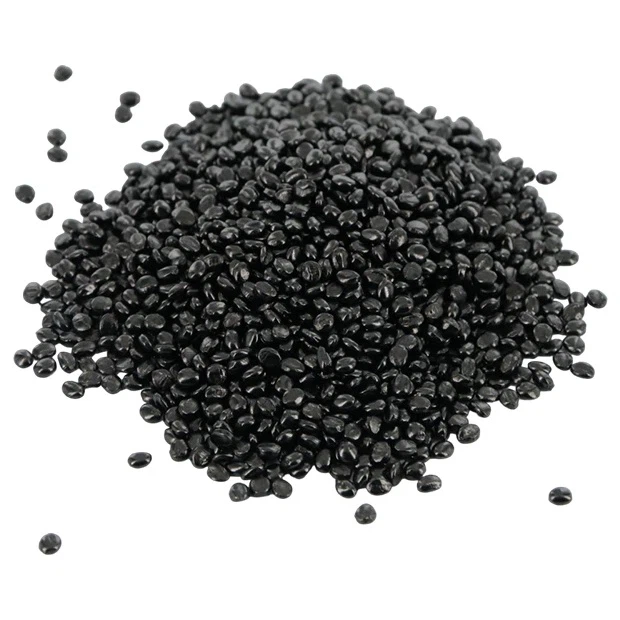
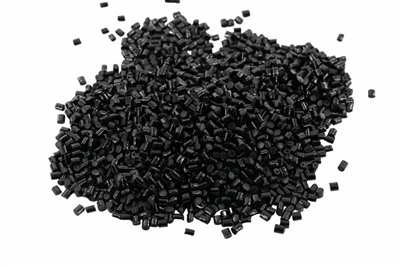

As a dedicated supplier of black masterbatch for stretch film, I often encounter inquiries about the shrinkage rate of stretch film with black masterbatch. This topic is not only crucial for understanding the performance of the final product but also plays a significant role in various industries where stretch films are widely used. In this blog, I'll delve into the concept of shrinkage rate, factors influencing it, and how our black masterbatch can impact this important characteristic.
Understanding Shrinkage Rate in Stretch Films
The shrinkage rate of a stretch film refers to the percentage reduction in the film's dimensions when it is subjected to heat. This property is essential as it determines how well the film can conform to the shape of the product it is wrapping. A higher shrinkage rate means the film can tightly hug the item, providing better protection and stability during storage and transportation.


Stretch films with black masterbatch are commonly used in applications where UV protection and visual appeal are required. The black masterbatch not only imparts a uniform black color to the film but also enhances its UV - resistance, which is vital for outdoor storage. However, the addition of black masterbatch can have an impact on the shrinkage rate of the stretch film.
Factors Affecting the Shrinkage Rate
Polymer Resin
The base polymer resin used in the stretch film is one of the primary factors influencing the shrinkage rate. Different polymers, such as polyethylene (PE), polypropylene (PP), and polyvinyl chloride (PVC), have distinct molecular structures and thermal properties. For example, low - density polyethylene (LDPE) typically has a relatively high shrinkage rate compared to high - density polyethylene (HDPE). When formulating stretch films with black masterbatch, the choice of polymer resin must be carefully considered to achieve the desired shrinkage characteristics.
Black Masterbatch Composition
The composition of the black masterbatch also plays a significant role. The type and amount of carbon black, additives, and carrier resin in the masterbatch can affect the film's shrinkage behavior. High - quality carbon black with a fine particle size can disperse more evenly in the polymer matrix, potentially leading to a more consistent shrinkage rate. Additionally, additives such as antioxidants and processing aids in the masterbatch can influence the thermal stability of the film and, consequently, its shrinkage properties.
Processing Conditions
The manufacturing process of the stretch film, including extrusion temperature, cooling rate, and stretching ratio, can have a profound impact on the shrinkage rate. Higher extrusion temperatures can cause the polymer chains to become more mobile, resulting in a higher shrinkage rate. A rapid cooling rate after extrusion can lock in the molecular orientation of the polymer, which also affects shrinkage. Moreover, the stretching ratio during the film - making process can align the polymer chains, increasing the potential for shrinkage when heat is applied.
Our Black Masterbatch and Shrinkage Rate
At our company, we understand the importance of providing black masterbatch that not only meets the color and UV - protection requirements but also has a minimal impact on the shrinkage rate of the stretch film. Our black masterbatch is formulated with high - quality carbon black and carefully selected additives to ensure excellent dispersion and compatibility with different polymer resins.
We conduct extensive research and development to optimize the composition of our black masterbatch. Through rigorous testing, we have determined the ideal ratio of carbon black to carrier resin and additives to achieve a consistent shrinkage rate in stretch films. Our technical team works closely with customers to understand their specific requirements and provide customized solutions.
Applications of Stretch Films with Black Masterbatch
Industrial Packaging
In industrial settings, stretch films with black masterbatch are used to wrap large - scale products such as machinery parts and equipment. The high shrinkage rate allows the film to tightly conform to the irregular shapes of these items, providing a secure and protective packaging solution. The UV - resistance of the black masterbatch also ensures that the products are protected from sunlight during outdoor storage.
Agricultural Applications
Black Masterbatch for Agriculture Film is used to produce stretch films for agricultural purposes. These films can be used to cover silage, protecting it from air and moisture. The shrinkage property of the film helps to create a tight seal around the silage, preventing spoilage and maintaining its quality.
Sheet and Pipe Wrapping
For Black Masterbatch for Sheet and Black Masterbatch For Pipe, stretch films with black masterbatch are used to wrap sheets and pipes during transportation and storage. The shrinkage rate ensures that the film stays in place and provides a barrier against dust, dirt, and moisture.
Testing and Quality Control
To ensure the quality and consistency of the shrinkage rate in stretch films with our black masterbatch, we have a comprehensive testing and quality control system in place. We use advanced testing equipment to measure the shrinkage rate under different temperature and time conditions. Our quality control team conducts regular inspections throughout the production process to ensure that the black masterbatch meets the highest standards.
Conclusion
The shrinkage rate of stretch film with black masterbatch is a complex characteristic that is influenced by multiple factors, including polymer resin, black masterbatch composition, and processing conditions. As a leading supplier of black masterbatch for stretch film, we are committed to providing high - quality products that not only offer excellent color and UV - protection but also maintain a consistent shrinkage rate.
If you are interested in learning more about our black masterbatch for stretch film or have specific requirements for your application, we encourage you to contact us for a detailed discussion. Our team of experts is ready to assist you in finding the best solution for your packaging needs.
References
- "Plastics Packaging Technology" by A. L. Brody and K. S. Marsh
- "Handbook of Polymer Science and Technology" edited by H. S. Katz and J. V. Milewski