

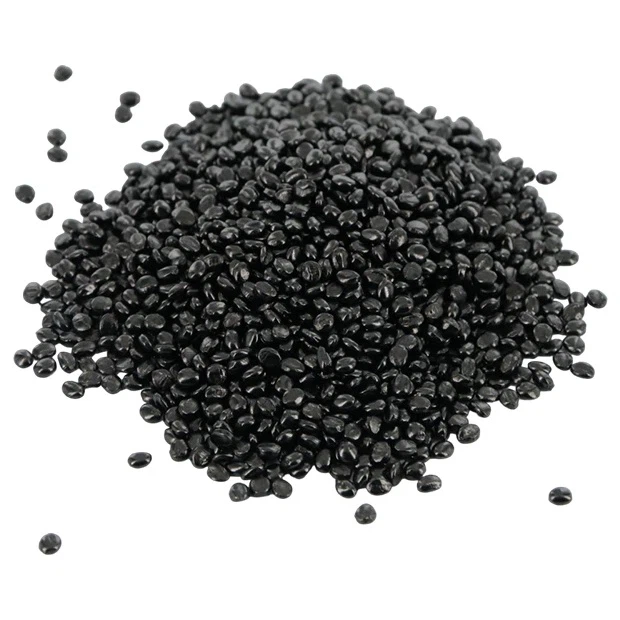
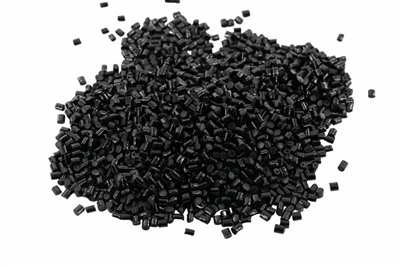

Abrasion resistance is a crucial property for many plastic products, especially those that are subject to friction, rubbing, or scraping during their use. As a supplier of black masterbatch for extrusion, I understand the importance of this characteristic and how it can impact the performance and longevity of the final products. In this blog post, I will delve into the abrasion resistance properties of black masterbatch for extrusion, exploring what factors affect it, how it is measured, and why it matters for different applications.


Understanding Abrasion Resistance in Black Masterbatch
Abrasion resistance refers to the ability of a material to withstand wear and tear caused by mechanical action, such as friction, rubbing, or scraping. In the context of black masterbatch for extrusion, it is the ability of the masterbatch - filled plastic to resist surface damage when in contact with other materials. This property is essential for products that are exposed to harsh environments or frequent contact with rough surfaces.
The abrasion resistance of black masterbatch is influenced by several factors, including the type and quality of carbon black used, the carrier resin, and the dispersion of the carbon black within the carrier resin.
Carbon Black Type and Quality
Carbon black is the primary pigment in black masterbatch, and its properties play a significant role in determining the abrasion resistance of the masterbatch. Different types of carbon black have varying particle sizes, surface areas, and structures. For example, furnace blacks, which are commonly used in black masterbatch, can have different grades with different degrees of abrasion resistance. Smaller particle - size carbon blacks generally offer better abrasion resistance because they can form a more compact and uniform structure within the plastic matrix. High - quality carbon blacks with low levels of impurities also contribute to enhanced abrasion resistance as impurities can act as weak points in the material, making it more susceptible to wear.
Carrier Resin
The carrier resin is the medium in which the carbon black is dispersed. The choice of carrier resin has a direct impact on the abrasion resistance of the black masterbatch. Resins with high hardness and good mechanical properties, such as polypropylene (PP) or high - density polyethylene (HDPE), tend to provide better abrasion resistance compared to softer resins. The compatibility between the carrier resin and the base polymer in the final application is also crucial. If the carrier resin does not blend well with the base polymer, it can result in poor dispersion of the carbon black and reduced abrasion resistance.
Dispersion of Carbon Black
Proper dispersion of carbon black within the carrier resin is essential for achieving good abrasion resistance. When carbon black is well - dispersed, it forms a continuous and homogeneous phase within the plastic matrix, which helps to distribute the stress evenly during abrasion. Poor dispersion can lead to the formation of agglomerates, which act as stress concentrators and can cause premature failure of the material under abrasion. Advanced manufacturing processes, such as high - shear mixing and twin - screw extrusion, are often used to ensure optimal dispersion of carbon black in the masterbatch.
Measuring Abrasion Resistance
There are several methods available to measure the abrasion resistance of black masterbatch - filled plastics. One of the most common methods is the Taber Abraser test. In this test, a specimen of the plastic material is subjected to a rotating abrasive wheel under a specified load. The weight loss of the specimen after a certain number of revolutions is measured, and this weight loss is used as an indicator of the abrasion resistance of the material. A lower weight loss indicates better abrasion resistance.
Another method is the sandpaper abrasion test, where the plastic specimen is rubbed against a sandpaper with a defined grit size under a constant load for a specific number of strokes. The change in the surface appearance and the loss of material are then evaluated.
Importance of Abrasion Resistance in Different Applications
Packaging
In the packaging industry, products such as Black Masterbatch for Garbage Bag need to have good abrasion resistance. Garbage bags are often dragged across rough surfaces, and if they do not have sufficient abrasion resistance, they can easily tear, leading to spills and mess. Using black masterbatch with high abrasion resistance ensures that the garbage bags can withstand the rigors of handling and transportation without damage.
Construction
In construction applications, black masterbatch - filled plastics are used for pipes, profiles, and sheets. These products are exposed to various forms of abrasion during installation and use. For example, pipes may be dragged along the ground during laying, and profiles may be subject to scraping during the construction process. High - abrasion - resistant black masterbatch helps to ensure the durability and long - term performance of these construction materials.
Automotive
Automotive components made from plastics, such as interior trims and exterior parts, require good abrasion resistance. Interior trims are constantly in contact with passengers' clothing and other objects, and exterior parts are exposed to road debris and environmental factors. Black masterbatch with excellent abrasion resistance can help these components maintain their appearance and functionality over time.
Foaming Applications
In Black Masterbatch for Foaming, abrasion resistance is also important. Foamed plastic products, such as shoe soles or insulation materials, may experience friction and wear during use. The abrasion - resistant black masterbatch can enhance the durability of these foamed products, ensuring they can withstand the mechanical stress associated with their applications.
Granulation
For Black Masterbatch for Granulation, the abrasion resistance of the masterbatch is crucial during the granulation process itself. The granules need to be able to withstand the mechanical forces involved in the granulation equipment without breaking or degrading. Additionally, the final granules should have good abrasion resistance for further processing and use in various applications.
Testing and Quality Control
As a black masterbatch for extrusion supplier, we conduct rigorous testing to ensure the abrasion resistance of our products meets the highest standards. Our quality control process includes regular testing of carbon black properties, carrier resin quality, and the dispersion of carbon black. We use advanced analytical techniques, such as scanning electron microscopy (SEM) to examine the dispersion of carbon black and mechanical testing equipment to measure the abrasion resistance of the masterbatch - filled plastics.
We also work closely with our customers to understand their specific requirements for abrasion resistance in different applications. By tailoring our products to meet these requirements, we can provide black masterbatch that delivers optimal performance in terms of abrasion resistance.
Conclusion
The abrasion resistance properties of black masterbatch for extrusion are influenced by multiple factors, including carbon black type and quality, carrier resin, and carbon black dispersion. Measuring abrasion resistance through standardized tests is essential to ensure the quality of the masterbatch. The importance of abrasion resistance spans across various industries, from packaging to automotive and construction.
If you are in need of high - quality black masterbatch with excellent abrasion resistance for your extrusion applications, we are here to help. Our team of experts can provide you with customized solutions based on your specific requirements. Whether you are involved in foaming, garbage bag production, granulation, or other applications, we have the right black masterbatch for you. Contact us to start a discussion about your procurement needs and let us work together to achieve the best results for your products.
References
- "Carbon Black: Production, Properties, and Applications" by Donnet, J. - B., Bansal, R. C., and Wang, M. - J.
- "Plastics Materials" by Brydson, J. A.
- ASTM standards related to abrasion resistance testing of plastics.