

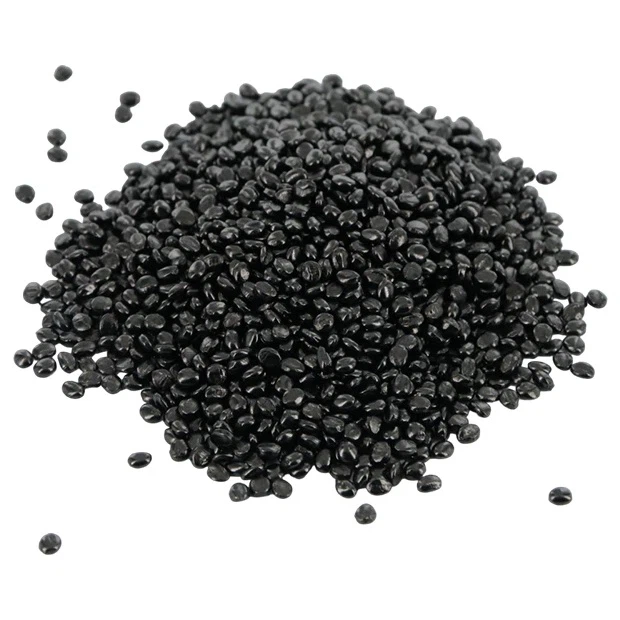
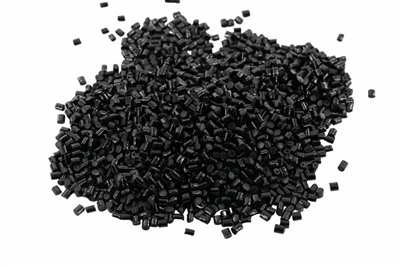

Hey there! As a supplier of food contact black masterbatch, I've been getting a lot of questions lately about how to extend the service life of this product. Well, you've come to the right place! In this blog post, I'm going to share with you the storage conditions that can help keep your food contact black masterbatch in top-notch condition for as long as possible.
First off, let's talk about what food contact black masterbatch is. It's a type of plastic additive that's used to color plastic products that come into contact with food. This includes things like food containers, utensils, and packaging. Because it's used in products that are in direct contact with food, it's crucial to store it properly to maintain its quality and safety.
Temperature Control
One of the most important factors in storing food contact black masterbatch is temperature. You want to keep it in a cool, dry place. High temperatures can cause the masterbatch to degrade, which can affect its color and performance. The ideal temperature range for storing food contact black masterbatch is between 20°C and 25°C (68°F and 77°F).
If the temperature gets too high, the masterbatch can start to break down. This can lead to changes in color, such as fading or yellowing, and it can also affect the dispersion of the pigment in the plastic. On the other hand, if the temperature is too low, the masterbatch can become brittle and difficult to handle.
So, make sure you store your food contact black masterbatch in a climate-controlled environment. Avoid storing it in areas that are exposed to direct sunlight or near heat sources like radiators or ovens. If you're storing it in a warehouse, consider using a temperature monitoring system to keep an eye on the conditions.
Humidity Management
Humidity is another key factor. Excess moisture can cause the masterbatch to clump together, making it difficult to use. It can also lead to the growth of mold and bacteria, which is a big no-no when it comes to food contact materials.
The relative humidity should be kept below 60%. You can use a dehumidifier in the storage area to control the humidity levels. If you notice any signs of moisture, such as condensation on the containers or a musty smell, take action immediately. You may need to move the masterbatch to a drier location or use desiccants to absorb the moisture.
Packaging
The packaging of the food contact black masterbatch also plays a role in its storage. It should be stored in its original, sealed packaging. The packaging is designed to protect the masterbatch from moisture, light, and air. If the packaging is damaged, replace it as soon as possible.
Some masterbatch comes in bags, while others are in containers. Make sure the bags are tightly sealed and the containers have secure lids. If you're using a bag, you can also consider using a vacuum sealer to remove any excess air and further protect the masterbatch.
Avoid Contamination
Contamination is a major concern when it comes to food contact materials. You want to make sure that the storage area is clean and free from any contaminants. Keep the area away from chemicals, solvents, and other substances that could potentially react with the masterbatch.


When handling the masterbatch, use clean tools and equipment. Avoid touching the masterbatch with dirty hands or using contaminated containers. If you're transferring the masterbatch from one container to another, make sure the new container is clean and dry.
Shelf Life
Even if you store the food contact black masterbatch under the best conditions, it still has a shelf life. The typical shelf life of food contact black masterbatch is around 12 to 18 months. After this time, the quality may start to decline, and it may not perform as well.
It's a good idea to keep track of the expiration date of your masterbatch. You can use a first-in, first-out (FIFO) system to ensure that you're using the oldest masterbatch first. This way, you can minimize the risk of using expired product.
Types of Food Contact Black Masterbatch
We offer different types of food contact black masterbatch for various applications. For example, if you're in the business of making sunshade nets, you might be interested in our Black Masterbatch for Sunshade Net. It's specifically formulated to provide excellent UV protection and long-lasting color.
If you're involved in injection molding, our Black Masterbatch For Injection is a great choice. It has good flow properties and high dispersion, which ensures a uniform color in your injection-molded products.
And for those who make sheets, our Black Masterbatch for Sheet is designed to meet the specific requirements of sheet extrusion. It provides a smooth surface finish and consistent color.
Conclusion
In conclusion, proper storage conditions are essential for extending the service life of food contact black masterbatch. By controlling the temperature, humidity, and avoiding contamination, you can ensure that your masterbatch stays in good condition and performs well.
If you have any questions about our food contact black masterbatch or need more information on storage, feel free to reach out. We're always here to help you make the most of our products. Whether you're a small business or a large manufacturer, we can provide you with the right masterbatch for your needs. So, don't hesitate to contact us for a purchase and let's start a great business relationship!
References
- "Plastic Additives Handbook" by Hans Zweifel
- "Food Contact Materials: A Practical Guide" by European Food Safety Authority