

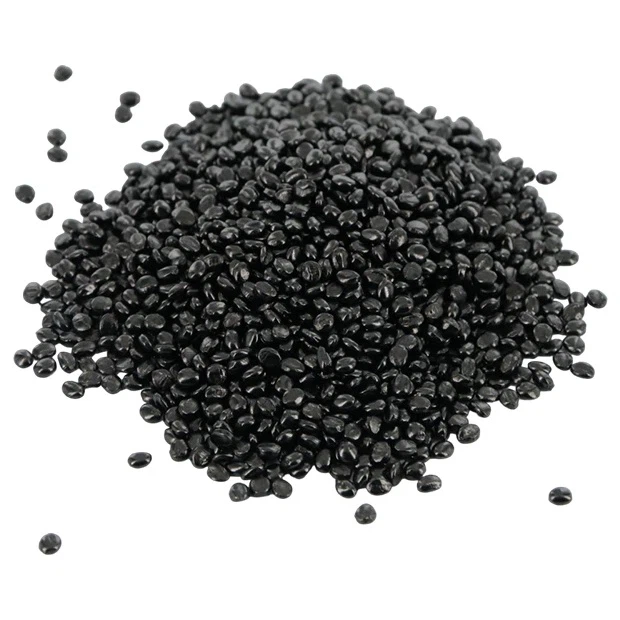
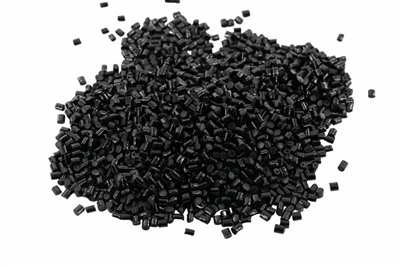

As a supplier of black masterbatch for granulation, I've witnessed firsthand how the purity of this essential product can significantly influence the final outcome of various applications. In this blog, I'll delve into the ways in which the purity of black masterbatch for granulation affects the end - product, exploring both the technical and practical aspects.
Understanding Black Masterbatch for Granulation
Black masterbatch for granulation is a concentrated mixture of carbon black pigment and a carrier resin. It is used to impart black color to plastic granules during the granulation process. The carrier resin is usually a polymer that is compatible with the base polymer of the final product. This masterbatch offers several advantages, such as ease of handling, accurate color dosing, and enhanced dispersion of the pigment.
Impact of Purity on Color Quality
One of the most obvious ways in which the purity of black masterbatch affects the product is in terms of color quality. High - purity black masterbatch contains a higher concentration of pure carbon black and fewer impurities. This results in a more intense, deep, and consistent black color in the final product.
Impurities in the masterbatch can cause color variations. For example, if there are traces of other pigments or contaminants, they can react with the carbon black or the base polymer, leading to off - colors or streaks in the finished plastic. In applications where a uniform and rich black color is crucial, such as in automotive parts or high - end consumer electronics, the purity of the black masterbatch is of utmost importance.
Influence on Physical Properties
The purity of black masterbatch also has a significant impact on the physical properties of the final product. High - purity masterbatch ensures better dispersion of the carbon black in the polymer matrix. When carbon black is well - dispersed, it can act as a reinforcing agent, improving the mechanical properties of the plastic.
For instance, in products like Black Masterbatch for Extrusion, which are often used in the production of pipes and profiles, a well - dispersed carbon black can enhance the strength, stiffness, and impact resistance of the extruded parts. On the other hand, impure masterbatch may lead to agglomeration of carbon black particles. These agglomerates can act as stress concentrators, reducing the mechanical performance of the plastic and making it more prone to cracking and failure.
UV Resistance
Carbon black in black masterbatch provides excellent UV resistance to the plastic products. However, the purity of the masterbatch plays a vital role in determining the effectiveness of this UV protection. High - purity carbon black absorbs and scatters UV radiation more efficiently, protecting the polymer from degradation caused by sunlight.
In applications such as Black Masterbatch for Sheet, which are often used in outdoor applications like roofing sheets and agricultural films, the UV resistance provided by pure black masterbatch can significantly extend the service life of the product. Impurities in the masterbatch can interfere with the UV - absorbing properties of carbon black, reducing the overall UV protection and causing the plastic to become brittle and discolored over time.
Processing Performance
The purity of black masterbatch can also affect the processing performance during the granulation and subsequent manufacturing processes. Pure masterbatch has a more consistent melting and flow behavior. This means that it can be easily incorporated into the base polymer during the granulation process, resulting in a more homogeneous mixture.
In contrast, impure masterbatch may have inconsistent melting points or viscosities due to the presence of contaminants. This can lead to processing difficulties, such as poor mixing, uneven flow in the extruder or injection molding machine, and increased cycle times. These issues not only reduce the production efficiency but also increase the likelihood of defective products.
Compatibility with Other Additives
In many plastic applications, other additives such as antioxidants, flame retardants, and lubricants are used in addition to black masterbatch. The purity of the black masterbatch can affect its compatibility with these additives.
High - purity masterbatch is less likely to react with other additives, ensuring that the intended functions of all the additives are maintained. For example, in Black Masterbatch for Wire and Cable, where flame retardants are often used, a pure black masterbatch will not interfere with the flame - retarding mechanism, providing the necessary fire safety properties. Impurities in the masterbatch, however, may react with the additives, reducing their effectiveness or causing unwanted side reactions.
Cost - Benefit Analysis
While high - purity black masterbatch may come at a higher cost, it offers significant long - term benefits. The improved color quality, physical properties, UV resistance, processing performance, and compatibility with other additives can lead to higher - quality products with fewer defects. This, in turn, can reduce the production costs associated with rework, scrap, and customer returns.


In addition, high - quality products are more likely to command a higher price in the market, increasing the overall profitability of the manufacturing process. Therefore, when considering the cost of black masterbatch, it is essential to take into account the total cost of production and the value added to the final product.
Conclusion
The purity of black masterbatch for granulation has a far - reaching impact on the final product. From color quality and physical properties to UV resistance, processing performance, and compatibility with other additives, every aspect of the plastic product is influenced by the purity of the masterbatch.
As a supplier, we are committed to providing high - purity black masterbatch that meets the stringent requirements of our customers. Our products are carefully formulated and tested to ensure the highest level of purity and performance.
If you are in the market for black masterbatch for granulation and are looking for a reliable supplier, we invite you to contact us for a detailed discussion about your specific needs. Our team of experts is ready to assist you in selecting the right product and providing technical support to ensure the success of your manufacturing process.
References
- "Plastics Additives Handbook" by Hans Zweifel
- "Carbon Black in Polymers: Science and Technology" by Charles A. Daniels