

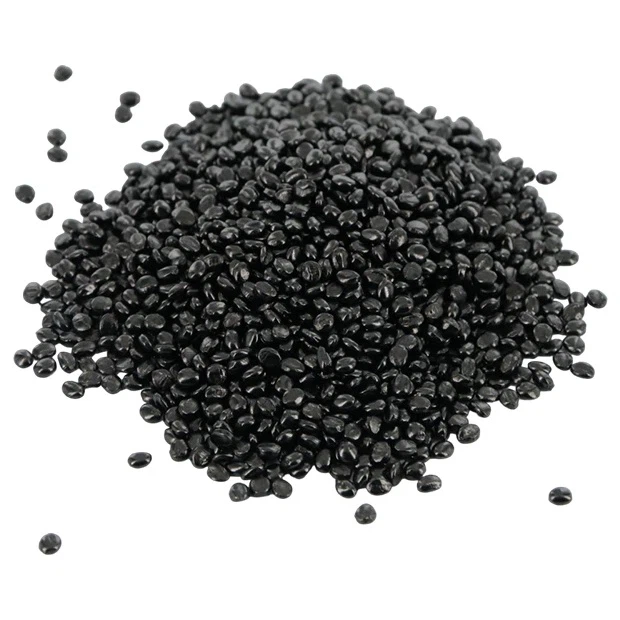
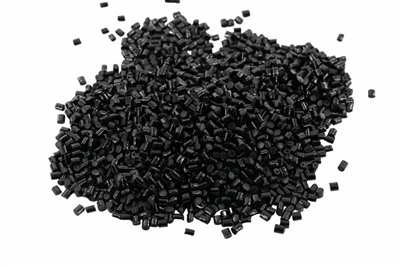

As a supplier of black masterbatch for automotive applications, I am often asked about the anti - oxidation properties of our products. In this blog, I will delve into the significance of anti - oxidation in automotive black masterbatch, the mechanisms behind it, and how our offerings stand out in this regard.
The Importance of Anti - Oxidation in Automotive Black Masterbatch
Automotive components are exposed to a wide range of environmental factors, including heat, oxygen, and ultraviolet (UV) radiation. Oxidation is a chemical reaction that occurs when these components come into contact with oxygen, leading to the degradation of polymers. This degradation can manifest in various ways, such as discoloration, loss of mechanical properties, and reduced durability.
For automotive parts, the aesthetic and functional integrity is of utmost importance. Black masterbatch is used extensively in automotive interiors and exteriors to provide a uniform, deep black color. However, if the masterbatch lacks proper anti - oxidation properties, the parts may fade or develop a dull appearance over time. Moreover, the mechanical strength of the parts can be compromised, which is a serious concern for safety - critical components.
Mechanisms of Anti - Oxidation
There are two main types of antioxidants used in our black masterbatch: primary antioxidants and secondary antioxidants.
Primary Antioxidants
Primary antioxidants, also known as free - radical scavengers, work by reacting with free radicals that are generated during the oxidation process. Free radicals are highly reactive molecules that can initiate a chain reaction, leading to the breakdown of polymers. Primary antioxidants donate a hydrogen atom to the free radical, stabilizing it and preventing the chain reaction from continuing.
Common primary antioxidants used in our products include hindered phenols and aromatic amines. Hindered phenols are widely used due to their excellent thermal stability and low volatility. They are effective in preventing the initial stages of oxidation and can maintain the color and mechanical properties of the polymer.
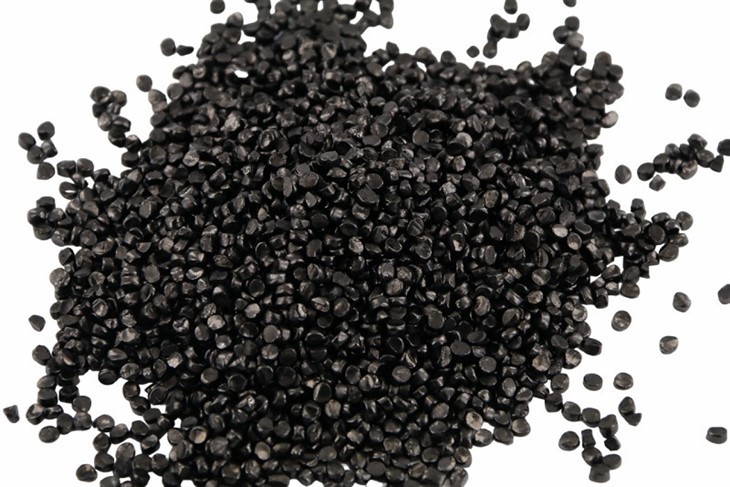

Secondary Antioxidants
Secondary antioxidants, such as phosphites and thioesters, work by decomposing hydroperoxides, which are intermediate products in the oxidation process. Hydroperoxides are unstable and can further decompose to form more free radicals. Secondary antioxidants react with hydroperoxides to form stable products, thus interrupting the oxidation chain reaction.
By using a combination of primary and secondary antioxidants in our black masterbatch, we can provide a synergistic effect that offers superior anti - oxidation protection.
Anti - Oxidation Properties of Our Black Masterbatch
Our company offers a range of black masterbatch products, including PC Black Masterbatch, PA Black Masterbatch, and PP Black Masterbatch, each tailored to the specific requirements of different automotive polymers.
PC Black Masterbatch
Polycarbonate (PC) is a widely used engineering plastic in the automotive industry, especially for applications such as headlamp lenses and interior components. Our PC black masterbatch is formulated with high - performance antioxidants that can withstand high processing temperatures and long - term exposure to UV radiation. This ensures that the PC parts maintain their transparency, color stability, and mechanical strength over time.
PA Black Masterbatch
Polyamide (PA), also known as nylon, is used in automotive engine components, electrical connectors, and interior trim. Our PA black masterbatch provides excellent anti - oxidation protection, preventing the nylon from becoming brittle and losing its strength due to oxidation. The antioxidants in our masterbatch are compatible with PA polymers, ensuring a homogeneous dispersion and optimal performance.
PP Black Masterbatch
Polypropylene (PP) is a cost - effective and lightweight polymer used in many automotive applications, such as bumpers, dashboards, and door panels. Our PP black masterbatch contains antioxidants that can enhance the weatherability and thermal stability of PP. This helps to prevent the PP parts from fading, cracking, or becoming discolored under harsh environmental conditions.
Testing and Quality Assurance
We understand the importance of providing high - quality black masterbatch with reliable anti - oxidation properties. To ensure the performance of our products, we conduct a series of rigorous tests.
Thermal Aging Tests
Thermal aging tests involve exposing the masterbatch - containing samples to elevated temperatures for a specified period. We measure the changes in color, mechanical properties, and chemical composition of the samples before and after the test. This helps us to evaluate the long - term thermal stability and anti - oxidation performance of our products.
UV Exposure Tests
UV exposure tests simulate the effect of sunlight on the automotive parts. We use specialized equipment to expose the samples to UV radiation for a certain duration. By measuring the color change and surface degradation of the samples, we can assess the UV resistance and anti - oxidation properties of our black masterbatch.
Conclusion
The anti - oxidation properties of black masterbatch are crucial for the long - term performance and appearance of automotive components. Our company, as a leading supplier of black masterbatch for automotive applications, is committed to providing high - quality products with excellent anti - oxidation protection. Our PC Black Masterbatch, PA Black Masterbatch, and PP Black Masterbatch are formulated with advanced antioxidants to meet the demanding requirements of the automotive industry.
If you are in the automotive industry and are looking for a reliable black masterbatch supplier with superior anti - oxidation properties, we invite you to contact us for procurement and further discussions. We are confident that our products will meet your expectations and contribute to the success of your automotive projects.
References
- "Plastics Additives Handbook" by Hans Zweifel
- "Polymer Degradation and Stabilization" by Norman Grassie and George Scott