

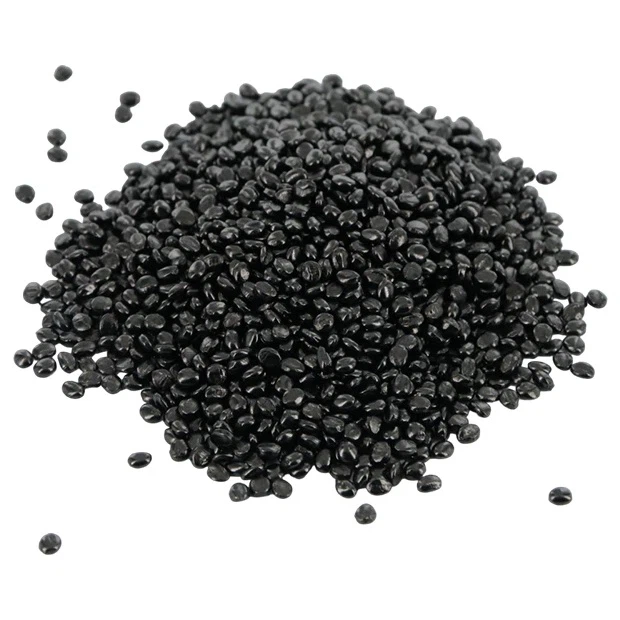
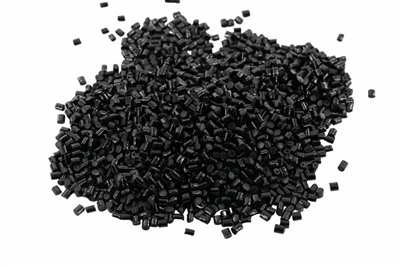

As a supplier of black masterbatch for sheets, I often encounter inquiries from customers about the compatibility of our product with embossed sheets. This question is not only crucial for manufacturers looking to achieve the desired aesthetic and functional properties in their embossed sheet products but also for ensuring cost - effectiveness and production efficiency. In this blog, I will delve into the details of whether black masterbatch for sheet can be used in embossed sheets, exploring the technical aspects, advantages, potential challenges, and best practices.
Technical Feasibility
Black masterbatch for sheets is designed to provide uniform coloration and certain functional properties to plastic sheets. It typically consists of a high - concentration of carbon black pigment dispersed in a carrier resin. The carrier resin is carefully selected to be compatible with the base polymer of the sheet material, ensuring good dispersion and melt - flow characteristics.
When it comes to embossed sheets, the technical feasibility of using black masterbatch for sheets largely depends on the physical and chemical properties of the masterbatch and the embossing process. The masterbatch should have a fine particle size of carbon black to prevent any clogging or uneven distribution during the embossing process. A well - dispersed masterbatch will ensure a smooth and consistent color on the embossed surface.
Moreover, the carrier resin in the black masterbatch should have a similar melting point and rheological properties to the base polymer of the sheet. This is important because during the embossing process, the plastic sheet is heated and deformed under pressure. If the melting points are too different, it may lead to issues such as delamination or uneven embossing.
Advantages of Using Black Masterbatch for Sheet in Embossed Sheets
Aesthetic Appeal
One of the primary advantages is the enhancement of the aesthetic appeal of the embossed sheets. The black color provided by the masterbatch can add a sense of sophistication and elegance to the embossed patterns. Whether it is for decorative purposes in interior design or for branding on product packaging, a rich and uniform black color can make the embossed sheets stand out.
UV Protection
Carbon black in the black masterbatch acts as a natural UV absorber. This is particularly beneficial for embossed sheets that are exposed to sunlight, such as outdoor signage or agricultural mulch films. By incorporating black masterbatch, the embossed sheets can have improved resistance to UV degradation, which helps to extend their service life and maintain their appearance over time.
Cost - Effectiveness
Using black masterbatch for sheets in embossed sheets can be a cost - effective solution. Instead of using pre - colored polymers, which can be more expensive, manufacturers can add the masterbatch during the sheet extrusion process. This allows for greater flexibility in adjusting the color intensity according to the specific requirements of the embossed sheet product.
Potential Challenges
Surface Defects
One of the potential challenges is the occurrence of surface defects on the embossed sheets. If the carbon black particles in the masterbatch are not well - dispersed, it may result in visible specks or streaks on the embossed surface. Additionally, if the masterbatch has a high viscosity or poor flow properties, it may cause uneven embossing, such as incomplete filling of the embossing patterns.
Compatibility with Embossing Tools
The black masterbatch may also affect the compatibility with the embossing tools. Some carbon black formulations may cause abrasion on the embossing rollers or dies, reducing their lifespan. Therefore, it is important to select a black masterbatch that is gentle on the embossing equipment.
Best Practices
Quality Control
To ensure the successful use of black masterbatch for sheet in embossed sheets, strict quality control measures should be implemented. This includes testing the particle size distribution, dispersion quality, and melt - flow index of the masterbatch before use. Regular inspections during the production process can also help to detect and correct any potential issues early on.
Process Optimization
Optimizing the embossing process parameters is crucial. This includes adjusting the temperature, pressure, and speed of the embossing machine according to the properties of the black masterbatch and the base polymer. Conducting small - scale trials can help to determine the optimal process settings.
Supplier Selection
Choosing a reliable supplier of black masterbatch for sheets is essential. A good supplier should have a proven track record of providing high - quality products and excellent technical support. As a supplier myself, I always strive to offer customized solutions to meet the specific needs of my customers in embossed sheet production.
Related Products
If you are interested in other applications of black masterbatch, we also offer Black Masterbatch For Granulation, which is suitable for granulation processes, and Black Masterbatch for Mulch Film, designed specifically for agricultural mulch films. For pipe manufacturing, our Black Masterbatch For Pipe is a great choice.
Conclusion
In conclusion, black masterbatch for sheet can be effectively used in embossed sheets, provided that the technical requirements are met and the potential challenges are addressed through proper quality control and process optimization. The advantages of using black masterbatch, such as aesthetic appeal, UV protection, and cost - effectiveness, make it a viable option for manufacturers of embossed sheets.


If you are interested in our black masterbatch for sheets or have any questions regarding its use in embossed sheets, please feel free to contact us for further discussion and potential procurement. We are committed to providing you with the best products and solutions for your embossed sheet production needs.
References
- "Plastic Masterbatch Technology" by XYZ Publishing
- "Handbook of Polymer Science and Technology" edited by ABC Editors