

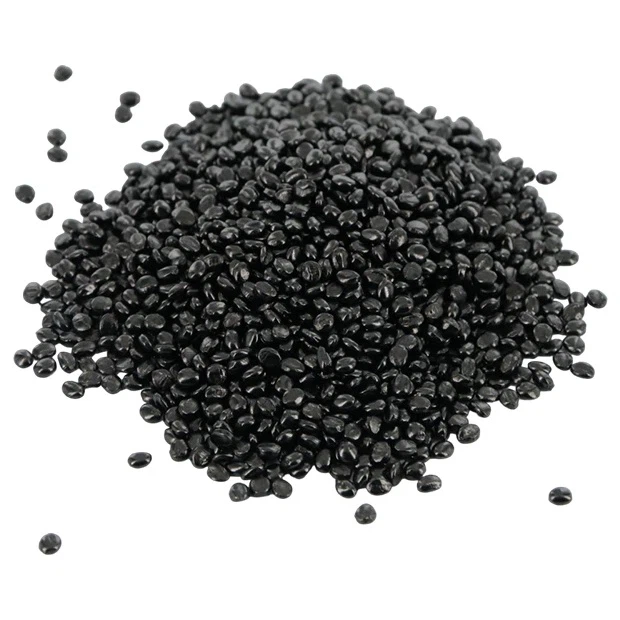
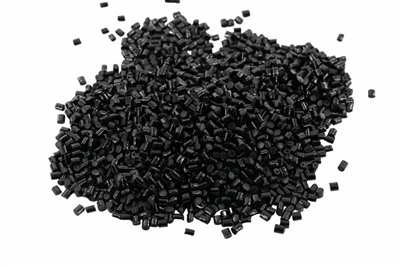

Hey there! As a supplier of black masterbatch for pipes, I've been getting a lot of questions lately about how our product affects a pipe's resistance to sand abrasion in desert areas. So, I thought I'd sit down and share some insights on this topic.
Understanding the Problem of Sand Abrasion in Desert Areas
Desert areas are known for their harsh environmental conditions, with strong winds carrying large amounts of sand particles. These sand particles can cause significant abrasion to pipes, especially those used in water supply, oil and gas transportation, and other infrastructure projects. Over time, the abrasion can lead to thinning of the pipe walls, leaks, and ultimately, failure of the pipes.
How Black Masterbatch Helps
Black masterbatch is a concentrated mixture of carbon black pigment and a carrier resin. When added to the base polymer during the pipe manufacturing process, it imparts several properties that enhance the pipe's resistance to sand abrasion.


1. Hardness and Wear Resistance
Carbon black, the main component of black masterbatch, is a very hard material. When incorporated into the polymer matrix, it increases the overall hardness of the pipe. A harder pipe surface is less likely to be scratched or worn away by the abrasive sand particles. Think of it like wearing a tough pair of shoes in a rocky terrain - the harder the sole, the better it can withstand the rough surface.
2. UV Protection
In desert areas, pipes are also exposed to high levels of ultraviolet (UV) radiation. UV rays can degrade the polymer material, making it more brittle and prone to abrasion. Black masterbatch provides excellent UV protection. The carbon black absorbs the UV rays, preventing them from penetrating the pipe and causing damage. This helps to maintain the integrity of the pipe material and its resistance to sand abrasion over time.
3. Impact Resistance
Sand abrasion is often accompanied by impacts from larger sand particles or debris carried by the wind. Black masterbatch can improve the impact resistance of the pipe. The carbon black particles act as reinforcement, absorbing and dispersing the energy from impacts. This reduces the likelihood of cracks or fractures in the pipe, which could otherwise accelerate the abrasion process.
Real - World Examples
We've supplied our black masterbatch for pipes to several projects in desert regions, and the results have been quite impressive. For instance, a water supply project in the Sahara Desert was using pipes without proper black masterbatch initially. The pipes started showing signs of abrasion within a few months, with small leaks developing at the abrasion points. After switching to pipes made with our black masterbatch, the rate of abrasion was significantly reduced. The pipes have now been in service for over a year without any major issues.
Comparing with Other Applications
Our black masterbatch isn't just for pipes. We also offer Black Masterbatch for Toy, Engineering Compounding Black Masterbatch, and Black Masterbatch for Mulch Film. While the basic function of black masterbatch is similar across these applications, the requirements for pipe applications in desert areas are quite unique.
For toys, the focus is more on safety, color consistency, and flexibility. In engineering compounding, it might be about enhancing mechanical properties for high - stress applications. And for mulch film, UV protection and light - blocking are the main concerns. But for pipes in desert areas, the combination of hardness, wear resistance, UV protection, and impact resistance is crucial.
Factors Affecting the Performance of Black Masterbatch in Desert Pipes
1. Carbon Black Quality
The quality of carbon black used in the masterbatch is of utmost importance. High - quality carbon black has a more uniform particle size distribution and better dispersion properties. This ensures that the properties like hardness and UV protection are evenly distributed throughout the pipe. Cheaper, low - quality carbon black may lead to uneven performance and premature failure of the pipe.
2. Masterbatch Concentration
The amount of black masterbatch added to the base polymer also affects the pipe's performance. Too little masterbatch may not provide adequate protection against sand abrasion and UV radiation. On the other hand, adding too much can make the pipe too brittle and may affect its other properties, such as flexibility and processability. Our technical team can help determine the optimal concentration based on the specific requirements of each project.
3. Manufacturing Process
The way the black masterbatch is mixed with the base polymer during pipe manufacturing is also critical. A proper mixing process ensures that the carbon black particles are well - dispersed in the polymer matrix. Inadequate mixing can result in clumps of carbon black, which can act as weak points in the pipe and reduce its resistance to sand abrasion.
Conclusion
In conclusion, black masterbatch plays a vital role in enhancing a pipe's resistance to sand abrasion in desert areas. It provides hardness, wear resistance, UV protection, and impact resistance, all of which are essential for the long - term performance of pipes in these harsh environments.
If you're involved in a project in a desert area and need pipes with excellent sand abrasion resistance, we'd love to talk to you. Our team of experts can provide you with the right black masterbatch solution tailored to your specific needs. Whether it's determining the right carbon black quality, the optimal masterbatch concentration, or ensuring a proper manufacturing process, we've got you covered. So, don't hesitate to reach out for a discussion on your procurement needs.
References
- ASTM International standards on pipe materials and testing for abrasion resistance.
- Research papers on the effects of carbon black on polymer properties.
- Industry reports on pipe performance in desert environments.