


Hey there! As a supplier of PS black masterbatch, I often get asked about the radiation resistance of PS black masterbatch in PS plastics. So, let's dive right into it and explore this topic in detail.
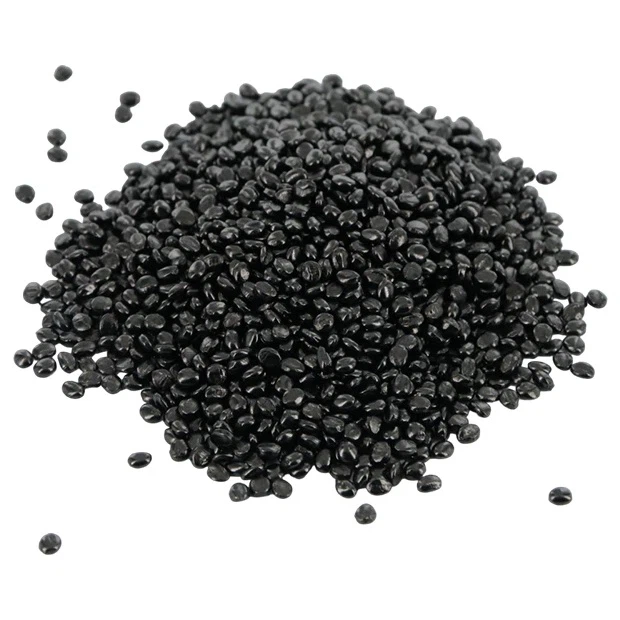
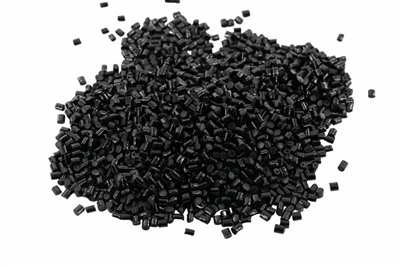
First off, let's understand what PS black masterbatch is. PS, or Polystyrene, is a widely used plastic known for its transparency, rigidity, and ease of processing. Black masterbatch, on the other hand, is a concentrated mixture of carbon black pigment and a carrier resin. When added to PS plastics, it imparts a deep black color and can also enhance certain properties of the plastic.
Now, let's talk about radiation resistance. Radiation can come in various forms, such as ultraviolet (UV) radiation from the sun, gamma radiation in industrial or medical settings, and electron beam radiation used in some manufacturing processes. The radiation resistance of PS black masterbatch in PS plastics is crucial, especially in applications where the plastic will be exposed to radiation over an extended period.
UV Radiation Resistance
UV radiation is a major concern for plastics, as it can cause degradation, discoloration, and loss of mechanical properties. When it comes to PS black masterbatch, the carbon black in the masterbatch plays a key role in providing UV resistance. Carbon black acts as a UV absorber, preventing the UV rays from penetrating the plastic and causing damage.
In PS plastics, the PS black masterbatch forms a protective layer on the surface of the plastic. This layer absorbs the UV radiation and converts it into heat, which is then dissipated. As a result, the underlying PS plastic is shielded from the harmful effects of UV radiation. This is particularly important for outdoor applications of PS plastics, such as signage, automotive parts, and consumer products.
For example, if you're using PS plastics for outdoor signage, the addition of our high - quality PS black masterbatch can significantly extend the lifespan of the signage. It will prevent the plastic from becoming brittle and yellowing over time due to UV exposure. You can check out our No Carrier Black Masterbatch, which is formulated to provide excellent UV resistance in PS plastics.
Gamma and Electron Beam Radiation Resistance
In industrial and medical applications, PS plastics may be exposed to gamma or electron beam radiation for sterilization purposes. The radiation resistance of PS black masterbatch in these scenarios is also important.
Carbon black in the PS black masterbatch can help in reducing the degradation of the PS plastic caused by high - energy radiation. It acts as a free - radical scavenger, which means it can neutralize the free radicals generated by the radiation. Free radicals are highly reactive molecules that can break the chemical bonds in the plastic, leading to degradation.
Our PS black masterbatch is designed to withstand the effects of gamma and electron beam radiation. For instance, in medical packaging made of PS plastics, the use of our masterbatch ensures that the plastic maintains its integrity and properties even after sterilization by radiation. You can take a look at our PC Black Masterbatch, which has similar radiation - resistant properties and can be a good reference for understanding the technology behind radiation - resistant masterbatches.
Factors Affecting Radiation Resistance
Several factors can affect the radiation resistance of PS black masterbatch in PS plastics. One of the most important factors is the quality and type of carbon black used. High - quality carbon black with a proper particle size distribution and surface area will provide better radiation resistance.
The concentration of the black masterbatch in the PS plastic also matters. A higher concentration of masterbatch generally means better radiation protection, but there's a balance to be struck. Too high a concentration can affect the processing and mechanical properties of the plastic.


The processing conditions during the mixing of the masterbatch with the PS plastic are also crucial. Proper dispersion of the masterbatch in the plastic ensures uniform radiation protection.
Applications and Benefits
The radiation - resistant PS black masterbatch has a wide range of applications. In the automotive industry, it can be used for interior and exterior parts. The UV resistance of the masterbatch ensures that the parts maintain their color and appearance over time, even when exposed to sunlight. Check out our Black Masterbatch For Automotive for more details on automotive - grade masterbatch.
In the consumer goods sector, it can be used for products like electronic device housings, toys, and household items. The radiation resistance helps in extending the product's lifespan and maintaining its aesthetic appeal.
In the medical field, as mentioned earlier, it's used for medical packaging and equipment parts. The ability to withstand radiation sterilization without significant degradation is a huge advantage.
Conclusion
In conclusion, the radiation resistance of PS black masterbatch in PS plastics is a complex but important topic. The carbon black in the masterbatch provides protection against UV, gamma, and electron beam radiation, extending the lifespan and maintaining the properties of the PS plastic.
If you're in the market for high - quality PS black masterbatch with excellent radiation resistance, we're here to help. We've been in the business for a long time and have a deep understanding of the science behind masterbatch formulation. Whether you need it for automotive, consumer goods, or medical applications, we can provide you with the right solution.
Don't hesitate to reach out if you're interested in discussing your specific requirements. We'd love to have a chat and see how we can work together to meet your needs.
References
- "Plastics Additives Handbook" by Hans Zweifel
- "Carbon Black: Science and Technology" by Donnet, Bansal, and Wang