

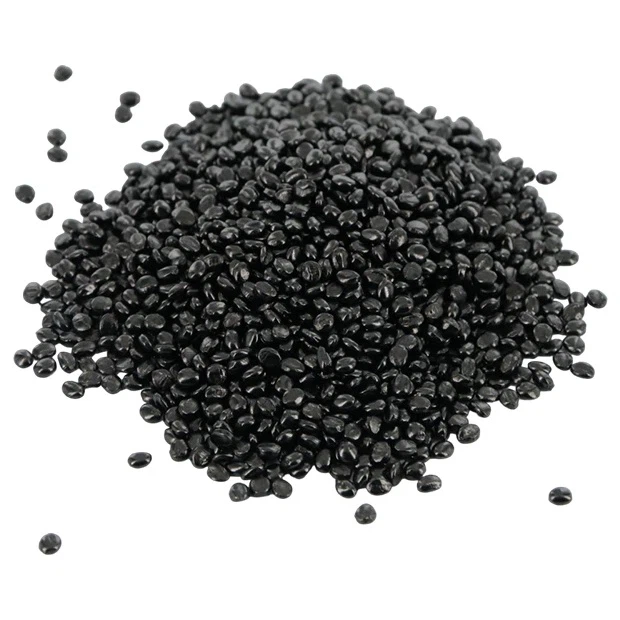
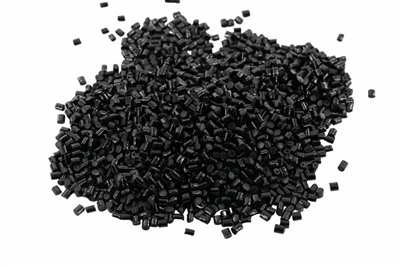

Hey there! As a supplier of PS black masterbatch, I often get asked about how it impacts the transparency of PS plastics. So, let's dive right into this topic and break it down in a way that's easy to understand.
What is PS Black Masterbatch?
First off, let's quickly cover what PS black masterbatch is. PS stands for Polystyrene, a common plastic used in a variety of applications like packaging, disposable cutlery, and even some electronic components. Black masterbatch, on the other hand, is a concentrated mixture of carbon black pigment and a carrier resin. In the case of PS black masterbatch, the carrier resin is compatible with polystyrene. It's used to color PS plastics black, giving them that sleek, professional look.
How Transparency Works in PS Plastics
Before we talk about how the masterbatch affects transparency, let's understand how transparency works in PS plastics. Polystyrene is known for its good optical properties, including transparency in its natural state. The molecules in PS are arranged in a way that allows light to pass through relatively easily, making it see - through.
The transparency of PS plastics depends on several factors. One of the key factors is the molecular structure of the polymer. Any disruption to this structure can affect how light passes through the plastic. Another factor is the presence of impurities or additives. If there are large particles or substances that scatter light, the transparency will be reduced.
The Impact of PS Black Masterbatch on Transparency
When we add PS black masterbatch to PS plastics, the main goal is to color the plastic black. But what about transparency? Well, it depends on a few things.
Concentration of the Masterbatch
The amount of PS black masterbatch you add plays a huge role. If you add a very small amount, the impact on transparency might be minimal. The carbon black particles in the masterbatch are small, but when there are only a few of them, they don't scatter light enough to significantly reduce transparency. However, as you increase the concentration of the masterbatch, more carbon black particles are introduced into the plastic. These particles scatter light, making the plastic less transparent. At high concentrations, the plastic will become completely opaque, losing its transparency altogether.
For example, if you're using the masterbatch to give a slight tint to a PS product where some transparency is still desired, you can use a low - concentration masterbatch. But if you want a deep, solid black color for a product where transparency isn't important, like a black PS housing for an electronic device, you can use a higher - concentration masterbatch.
Quality of the Masterbatch
The quality of the PS black masterbatch also matters. A high - quality masterbatch has well - dispersed carbon black particles. When the particles are evenly spread throughout the plastic, they are less likely to clump together. Clumps of carbon black particles can cause significant light scattering, reducing transparency.
On the other hand, a low - quality masterbatch may have poorly dispersed particles. These clumps can act like large obstacles to light, making the plastic look hazy or opaque even at relatively low concentrations. As a supplier, we make sure our masterbatch has excellent dispersion properties to minimize the negative impact on transparency when that's a concern.
Compatibility with PS Resin
The carrier resin in the PS black masterbatch needs to be fully compatible with the PS resin. If there's a lack of compatibility, it can lead to phase separation. This means that the masterbatch and the PS resin don't mix well, creating regions within the plastic where the properties are different. These regions can scatter light, reducing the transparency of the final product.
We've developed our masterbatch to have high compatibility with PS resin. This ensures that the carbon black particles are evenly distributed throughout the plastic, and there's no phase separation, which helps maintain transparency as much as possible when appropriate.
Applications and Transparency Requirements
Different applications have different requirements when it comes to the transparency of PS plastics with black masterbatch.
Packaging
In the packaging industry, sometimes you want a bit of transparency to show off the product inside while still having a black tint for a more stylish look. For example, a black PS clamshell packaging for a small electronic gadget. In such cases, a low - concentration, high - quality PS black masterbatch can be used. This way, you can achieve a black color while still maintaining some level of transparency.
Consumer Goods
For consumer goods like black PS handles or buttons, transparency is usually not a concern. So, a higher - concentration masterbatch can be used to get a deep, rich black color. The lack of transparency doesn't matter in these applications, as the focus is on the appearance and functionality of the product.
Other Types of Black Masterbatch
Apart from PS black masterbatch, we also offer other types of black masterbatch, such as No Carrier Black Masterbatch, PC Black Masterbatch, and PA Black Masterbatch. Each of these is designed for specific types of plastics and has its own set of properties and applications.
Conclusion and Call to Action
In conclusion, PS black masterbatch can have a significant impact on the transparency of PS plastics, but the degree of impact depends on the concentration, quality, and compatibility of the masterbatch. Whether you need a slightly tinted, semi - transparent PS product or a completely opaque black one, we've got the right solution for you.
If you're in the market for high - quality PS black masterbatch or any of our other black masterbatch products, we'd love to hear from you. We can provide samples and technical support to help you choose the best masterbatch for your specific needs. Contact us today to start a discussion about your requirements and how we can work together to achieve the perfect color and properties for your plastic products.


References
- "Plastics Additives Handbook" by Hans Zweifel
- "Introduction to Polymers" by Young and Lovell