

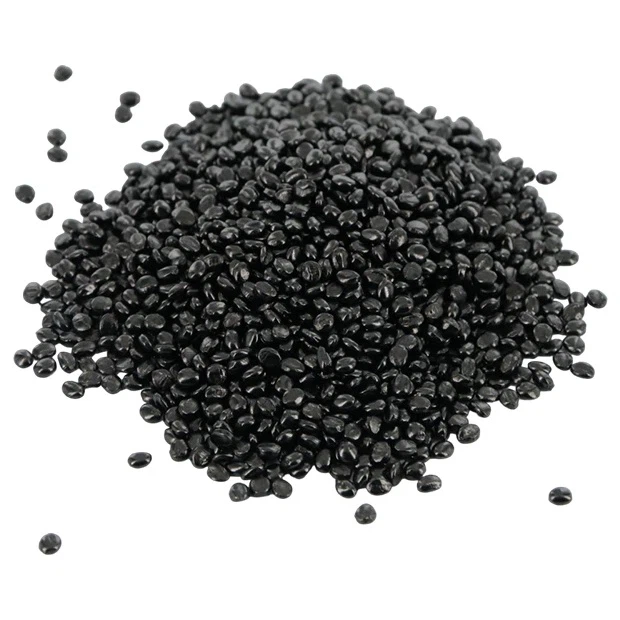
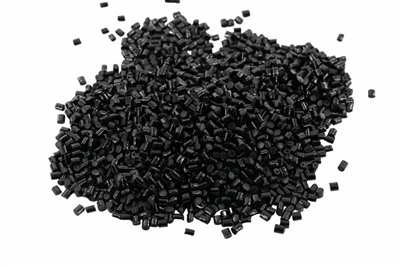

Hey there! As a supplier of black masterbatch for injection, I've been getting a lot of questions lately about color deviation when using our product. It's a common issue that can be a real headache for manufacturers, so I thought I'd take some time to break down the reasons behind it.
1. Quality of the Carbon Black
Carbon black is the key ingredient in black masterbatch. Its quality can vary widely depending on the source and manufacturing process. Different types of carbon black have different particle sizes, surface areas, and structures. For example, furnace black and thermal black are two common types, and they have distinct characteristics.


Furnace black typically has a smaller particle size and a higher surface area. This means it can disperse more easily in the polymer matrix, resulting in a more uniform color. On the other hand, thermal black has a larger particle size and a lower surface area, which may lead to poor dispersion and color deviation.
If the carbon black used in the masterbatch is of low quality or has inconsistent properties, it can cause uneven coloring in the injection - molded parts. The black masterbatch may appear darker in some areas and lighter in others. That's why at our company, we always source high - quality carbon black from reliable suppliers to ensure the best possible color consistency.
2. Dispersion of the Masterbatch
Proper dispersion of the black masterbatch in the base polymer is crucial for achieving a uniform color. If the masterbatch doesn't disperse evenly, you'll end up with color streaks or patches in the final product.
There are several factors that can affect dispersion. One is the mixing equipment. Using a poor - quality mixer or one that isn't properly calibrated can lead to inadequate mixing. The mixing time and speed also play important roles. If the mixing time is too short or the speed is too low, the masterbatch won't be fully incorporated into the polymer.
Another factor is the viscosity of the base polymer. High - viscosity polymers can make it more difficult for the masterbatch to disperse. In such cases, we may need to use special additives or processing techniques to improve dispersion. For instance, using a dispersing agent can help the masterbatch particles spread more evenly throughout the polymer.
3. Processing Conditions
The processing conditions during injection molding can have a significant impact on color. Temperature is one of the most important factors. If the molding temperature is too high, it can cause the carbon black in the masterbatch to degrade. When carbon black degrades, it can change its color and properties, resulting in a color deviation.
On the other hand, if the temperature is too low, the polymer may not flow properly, and the masterbatch won't disperse well. The injection pressure and speed also matter. High injection pressure can force the polymer and masterbatch to mix more thoroughly, but if it's too high, it can cause other problems like flash or part deformation.
In addition, the cooling rate after injection can affect the color. A rapid cooling rate may cause the polymer to solidify too quickly, preventing the masterbatch from dispersing evenly. So, it's essential to carefully control all these processing parameters to ensure consistent color in the final product.
4. Polymer Resin Compatibility
Not all black masterbatches are compatible with every type of polymer resin. Different polymers have different chemical structures and properties, and the masterbatch needs to be formulated to work well with the specific resin.
For example, if you use a masterbatch designed for polypropylene with a polyethylene resin, you may experience color deviation. The masterbatch may not blend properly with the resin, leading to poor color uniformity. That's why we offer a wide range of black masterbatches, each specifically formulated for different types of polymers.
We have Black Masterbatch for Toy, which is designed to meet the requirements of toy - making polymers, ensuring safe and consistent coloring. We also have Black Masterbatch for Agriculture Film and Black Masterbatch for Film Blown, tailored for the specific needs of these applications.
5. Contamination
Contamination can be a sneaky culprit behind color deviation. Even a small amount of foreign material in the polymer or masterbatch can cause problems. This could include dust, dirt, or remnants of other polymers from previous production runs.
If the production environment isn't clean, dust particles can get into the raw materials. And if the equipment isn't properly cleaned between different production runs, there may be leftover polymer or masterbatch from the previous job, which can contaminate the new batch.
To prevent contamination, we have strict quality control measures in place. Our production facilities are kept clean, and we thoroughly clean all equipment before starting a new production run.
6. Shelf Life and Storage
The shelf life and storage conditions of the black masterbatch can also affect its color performance. Over time, the masterbatch can degrade, especially if it's stored in improper conditions.
Exposure to high temperatures, humidity, and sunlight can cause the masterbatch to change its properties. For example, if the masterbatch is stored in a hot and humid warehouse, the carbon black may absorb moisture, which can affect its dispersion and coloring ability.
We always recommend storing our black masterbatch in a cool, dry place away from direct sunlight. And we also provide information on the shelf life of our products, so customers know how long they can safely use the masterbatch.
Wrapping Up
Color deviation when using black masterbatch for injection can be caused by a variety of factors, including the quality of the carbon black, dispersion, processing conditions, polymer resin compatibility, contamination, and storage. By understanding these factors, manufacturers can take steps to minimize color deviation and produce high - quality injection - molded parts.
At our company, we're committed to providing the best - quality black masterbatch and technical support to our customers. If you're experiencing color deviation issues or have any questions about our products, don't hesitate to reach out. We're here to help you achieve the perfect color for your injection - molded products. Contact us for more information and let's start a discussion about your specific requirements. We're confident that our black masterbatch can meet your needs and help you produce top - notch products.
References
- "Plastics Additives Handbook" by Hans Zweifel. This book provides in - depth knowledge about different additives used in plastics, including masterbatches, and their effects on processing and final product properties.
- "Injection Molding Handbook" by O. Olszewski. It covers all aspects of injection molding, from processing conditions to material selection, which is very relevant to understanding color deviation in injection - molded parts.