


As a supplier of PS black masterbatch, I've witnessed firsthand the critical role that dosage plays in determining the final color of PS plastics. In this blog post, I'll delve into the intricate relationship between the dosage of PS black masterbatch and the resulting color of PS plastics, drawing on my experience in the industry and the latest scientific research.
Understanding PS Black Masterbatch
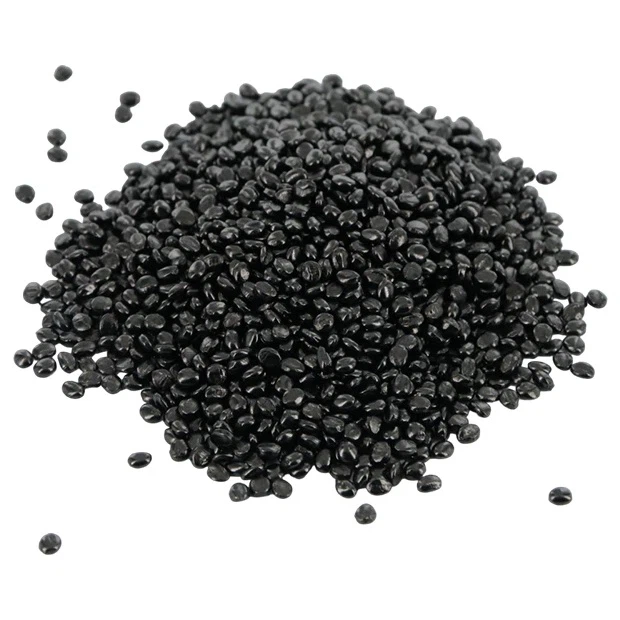
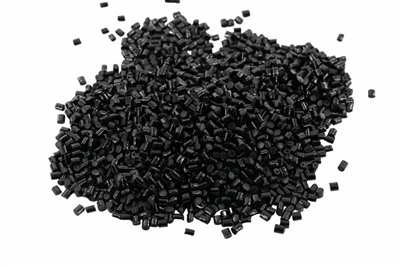
PS black masterbatch is a concentrated mixture of carbon black pigment and a carrier resin, typically polystyrene (PS). It is used to impart a deep black color to PS plastics, enhancing their aesthetic appeal and UV resistance. The carbon black pigment is the key component responsible for the black color, while the carrier resin ensures uniform dispersion of the pigment throughout the PS plastic.
The Impact of Dosage on Color Intensity
One of the most significant ways in which the dosage of PS black masterbatch affects the final color of PS plastics is through color intensity. Generally, as the dosage of the masterbatch increases, the color intensity of the PS plastic also increases. This is because a higher dosage of masterbatch means a greater concentration of carbon black pigment in the plastic, resulting in a darker and more saturated black color.
However, it's important to note that there is a point of diminishing returns when it comes to dosage. Beyond a certain threshold, increasing the dosage of the masterbatch may not result in a significant increase in color intensity. In fact, it may even lead to other issues such as poor dispersion, increased viscosity, and reduced mechanical properties of the plastic. Therefore, it's crucial to find the optimal dosage that achieves the desired color intensity without compromising the performance of the plastic.
The Role of Dosage in Color Consistency
In addition to color intensity, the dosage of PS black masterbatch also plays a crucial role in ensuring color consistency. When producing PS plastics, it's essential to maintain a consistent color from batch to batch to meet the quality standards of customers. By carefully controlling the dosage of the masterbatch, manufacturers can achieve a high level of color consistency, reducing the risk of color variations and ensuring that the final products meet the desired specifications.
To achieve color consistency, it's important to use a precise dosing system that can accurately measure and dispense the masterbatch into the PS plastic. This helps to minimize variations in the dosage and ensures that each batch of plastic has the same amount of carbon black pigment, resulting in a consistent black color.
The Influence of Dosage on Other Properties of PS Plastics
While the primary function of PS black masterbatch is to impart a black color to PS plastics, the dosage of the masterbatch can also have an impact on other properties of the plastic. For example, increasing the dosage of the masterbatch may increase the UV resistance of the plastic, making it more suitable for outdoor applications. On the other hand, a higher dosage of the masterbatch may also increase the viscosity of the plastic, making it more difficult to process.


Therefore, when determining the dosage of PS black masterbatch, it's important to consider not only the desired color but also the other properties of the plastic. By finding the right balance between color and performance, manufacturers can produce PS plastics that meet the specific requirements of their customers.
Finding the Optimal Dosage
Finding the optimal dosage of PS black masterbatch requires a combination of experience, experimentation, and scientific knowledge. As a supplier, I often work closely with my customers to understand their specific requirements and help them determine the best dosage for their applications.
One approach to finding the optimal dosage is to conduct a series of trials using different dosages of the masterbatch. By testing the color and performance of the PS plastics at each dosage level, manufacturers can identify the dosage that provides the desired color intensity, color consistency, and other properties.
Another important factor to consider when determining the dosage is the type of PS plastic being used. Different types of PS plastics may have different melting points, viscosities, and other properties, which can affect the dispersion of the masterbatch and the resulting color. Therefore, it's important to choose a masterbatch that is compatible with the specific type of PS plastic being used and to adjust the dosage accordingly.
Other Considerations
In addition to the dosage of the masterbatch, there are other factors that can affect the final color of PS plastics. These include the quality of the carbon black pigment, the dispersion method, the processing conditions, and the presence of other additives or fillers in the plastic.
For example, using a high-quality carbon black pigment with a narrow particle size distribution can result in better dispersion and a more uniform black color. Similarly, using a proper dispersion method such as twin-screw extrusion can ensure that the masterbatch is evenly distributed throughout the PS plastic, improving the color quality.
The processing conditions, such as the temperature, pressure, and shear rate, can also have an impact on the color of the plastic. Higher processing temperatures may cause the carbon black pigment to degrade, resulting in a lighter color. Therefore, it's important to optimize the processing conditions to ensure that the masterbatch is properly dispersed and that the final color of the plastic is consistent.
Finally, the presence of other additives or fillers in the PS plastic can also affect the color. Some additives or fillers may interact with the carbon black pigment, causing color variations or reducing the effectiveness of the masterbatch. Therefore, it's important to carefully select the additives and fillers and to test their compatibility with the masterbatch before using them in the plastic.
Conclusion
In conclusion, the dosage of PS black masterbatch has a significant impact on the final color of PS plastics. By carefully controlling the dosage, manufacturers can achieve the desired color intensity, color consistency, and other properties of the plastic. However, it's important to find the optimal dosage that balances the color requirements with the performance of the plastic and to consider other factors that can affect the color.
As a supplier of PS black masterbatch, I'm committed to providing high-quality products and technical support to help my customers achieve the best results. If you're interested in learning more about our PS black masterbatch or have any questions about dosage and color, please don't hesitate to contact us. We'd be happy to discuss your specific requirements and help you find the right solution for your application.
In addition to PS black masterbatch, we also offer a wide range of other black masterbatches, including PC Black Masterbatch, No Carrier Black Masterbatch, and PP Black Masterbatch. These masterbatches are designed for specific applications and offer unique properties and benefits. If you're interested in exploring these options, please feel free to reach out to us for more information.
References
- "Plastics Additives Handbook" by Hans Zweifel
- "Colorants for Plastics: Principles and Applications" by John Murphy
- "Masterbatch Technology and Applications" by A. M. Leenslag