

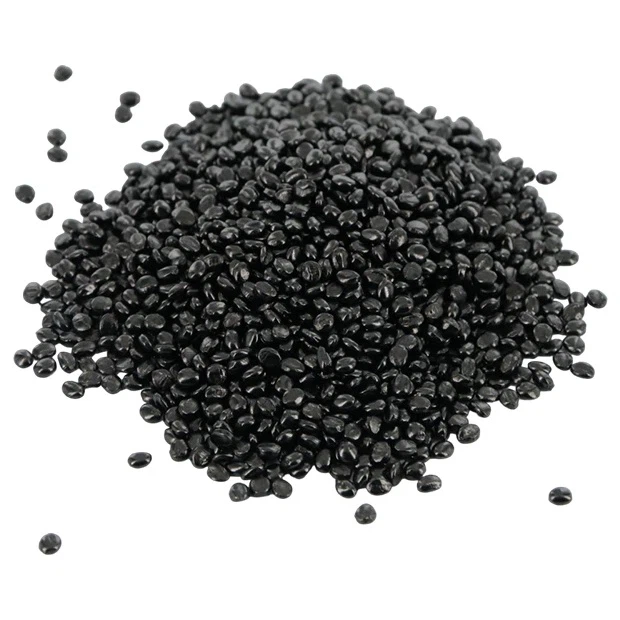
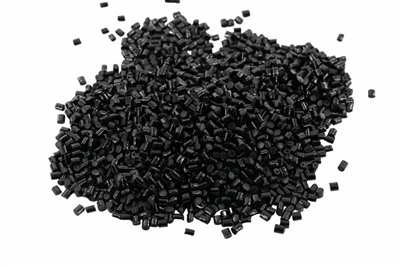

As a supplier of black masterbatch for stretch film, one of the most common challenges we encounter is improving the compatibility of our black masterbatch with recycled stretch film materials. This issue is crucial as it directly impacts the quality, performance, and overall usability of the final product. In this blog post, I'll share some effective strategies and insights on how to enhance this compatibility, based on our experience and industry knowledge.
Understanding the Compatibility Issue
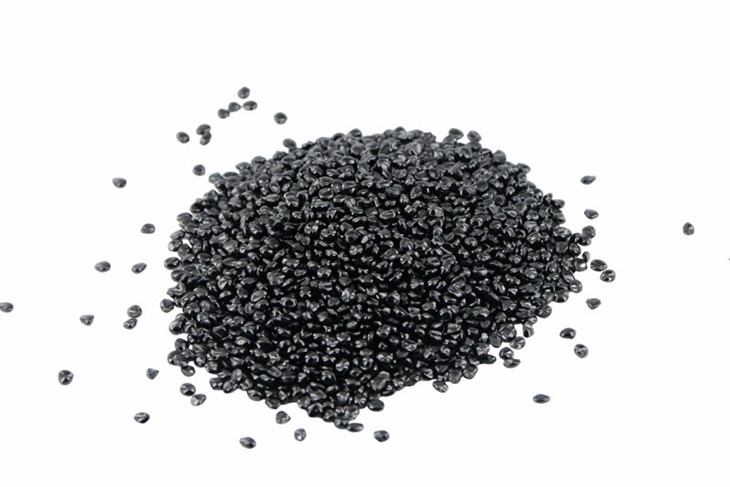
Before delving into solutions, it's essential to understand why compatibility problems occur. Recycled stretch film materials are often a heterogeneous mix of polymers, additives, and contaminants. These materials may have undergone multiple processing cycles, which can alter their chemical and physical properties. Black masterbatch, on the other hand, consists of carbon black pigments dispersed in a carrier resin. The carrier resin needs to be compatible with the recycled stretch film matrix to ensure proper dispersion of the pigment and optimal performance of the masterbatch.

Selecting the Right Carrier Resin
The choice of carrier resin in the black masterbatch is a critical factor in determining its compatibility with recycled stretch film materials. The carrier resin should have similar chemical and physical properties to the base polymer in the recycled stretch film. For example, if the recycled stretch film is primarily made of polyethylene (PE), a PE-based carrier resin in the black masterbatch would be a suitable choice. This similarity in resin type promotes better dispersion of the masterbatch in the recycled material, resulting in more uniform color and improved mechanical properties.
Incorporating Compatibilizers
Compatibilizers are substances that can improve the interaction between different polymers or phases in a blend. In the context of black masterbatch and recycled stretch film, adding a compatibilizer can enhance the compatibility between the carrier resin of the masterbatch and the recycled polymers. Compatibilizers work by reducing the interfacial tension between the two phases, allowing for better dispersion and adhesion. For instance, maleic anhydride-grafted polyethylene (MA-g-PE) can be used as a compatibilizer when blending PE-based black masterbatch with recycled PE stretch film. It reacts with the functional groups on the polymer chains, creating a more stable and homogeneous mixture.
Optimizing the Dispersion Process
Proper dispersion of the black masterbatch in the recycled stretch film material is essential for achieving good compatibility. Inadequate dispersion can lead to agglomeration of the pigment particles, resulting in uneven color distribution and poor mechanical properties. To optimize the dispersion process, several factors need to be considered:
- Mixing Equipment: Using high-shear mixing equipment, such as twin-screw extruders or high-speed mixers, can help break down the agglomerates and ensure uniform dispersion of the masterbatch in the recycled material. These machines apply intense mechanical forces to the mixture, promoting better interaction between the masterbatch and the recycled polymers.
- Mixing Time and Temperature: The mixing time and temperature also play crucial roles in the dispersion process. Longer mixing times and appropriate temperatures can enhance the flowability of the materials and facilitate the dispersion of the masterbatch. However, excessive temperatures can cause thermal degradation of the polymers, so it's important to find the right balance.
- Masterbatch Loading: The amount of black masterbatch added to the recycled stretch film material can affect its dispersion. Higher masterbatch loadings may require more intensive mixing to achieve uniform dispersion. It's important to determine the optimal masterbatch loading based on the desired color intensity and the properties of the recycled material.
Pretreating the Recycled Stretch Film
Pretreating the recycled stretch film before blending it with the black masterbatch can also improve compatibility. This can involve processes such as washing, drying, and pelletizing the recycled material to remove contaminants and improve its physical properties. Additionally, adding additives or modifiers to the recycled stretch film can enhance its compatibility with the masterbatch. For example, adding a lubricant can reduce the friction between the polymer chains, improving the flowability of the recycled material and facilitating the dispersion of the masterbatch.
Quality Control and Testing
Implementing a rigorous quality control and testing program is essential to ensure the compatibility of the black masterbatch with the recycled stretch film materials. This can involve conducting various tests, such as color analysis, mechanical property testing, and microscopy, to evaluate the quality of the final product. By monitoring the properties of the blended material, any compatibility issues can be identified early, and adjustments can be made to the formulation or processing parameters.
Conclusion
Improving the compatibility of black masterbatch with recycled stretch film materials is a complex but achievable goal. By selecting the right carrier resin, incorporating compatibilizers, optimizing the dispersion process, pretreating the recycled material, and implementing a quality control program, we can enhance the performance and quality of the final product. At our company, we are committed to providing high-quality black masterbatch solutions that are compatible with recycled stretch film materials. If you're interested in learning more about our products or have any questions regarding compatibility, please feel free to initiate a contact for procurement discussion. We look forward to working with you to meet your specific needs.
References
- X. Zhang, Y. Wang, and Z. Li, "Study on the Compatibility of Black Masterbatch and Recycled Polyethylene Stretch Film," Polymer Science, vol. 50, no. 3, pp. 289-295, 2020.
- A. Smith, "Optimizing the Dispersion of Black Masterbatch in Recycled Polymers," Plastics Technology, vol. 65, no. 4, pp. 45-51, 2021.
- B. Johnson, "The Role of Compatibilizers in Polymer Blends," Journal of Polymer Engineering, vol. 38, no. 2, pp. 123-130, 2018.