

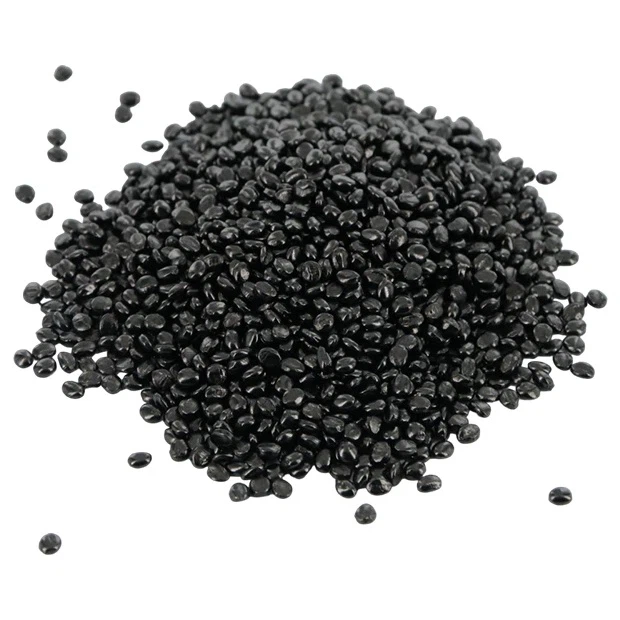
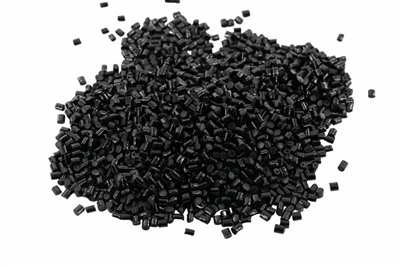

As a supplier of no carrier black masterbatch, I've witnessed firsthand the importance of quality standards in this industry. No carrier black masterbatch is a crucial additive used in various plastic processing applications, providing excellent coloration and performance enhancements. In this blog, I'll delve into the key quality standards that define high - quality no carrier black masterbatch.
1. Pigment Quality
The pigment is the heart of the black masterbatch. High - quality carbon black pigments are essential for achieving the desired blackness and color consistency. The carbon black used should have a high surface area, which contributes to better dispersion and a deeper black color. For instance, furnace black is a popular choice due to its fine particle size and high tinting strength.
The purity of the pigment is also of utmost importance. Impurities in the carbon black can lead to issues such as specks or streaks in the final plastic product. A reliable supplier should ensure that the carbon black is free from contaminants like heavy metals, which can not only affect the appearance but also the safety of the end - product, especially in applications such as food packaging or medical devices.
2. Dispersion Quality
One of the most critical quality standards for no carrier black masterbatch is its dispersion ability. Good dispersion means that the carbon black particles are evenly distributed throughout the plastic matrix. When the masterbatch has poor dispersion, it can result in uneven coloration, reduced mechanical properties, and surface defects in the final product.
To achieve optimal dispersion, the manufacturing process of the masterbatch must be carefully controlled. High - shear mixing equipment is often used to break down the carbon black agglomerates and ensure uniform distribution. Additionally, the use of dispersing agents can further improve the dispersion quality. A well - dispersed no carrier black masterbatch will provide a smooth, consistent black color across the entire plastic part, whether it's a small injection - molded component or a large extrusion - based product.
3. Heat Stability
In plastic processing, the masterbatch is exposed to high temperatures during melting and molding. Therefore, heat stability is a vital quality factor. A high - quality no carrier black masterbatch should be able to withstand the processing temperatures without significant degradation.
If the masterbatch degrades at high temperatures, it can release volatile compounds, which may cause odor, gas bubbles in the plastic, and discoloration. The heat - stable masterbatch ensures that the color and properties of the plastic remain consistent throughout the processing and the lifespan of the final product. Different plastic resins have different processing temperature ranges, so the masterbatch should be formulated to meet the specific heat requirements of the target resin.
4. Compatibility with Resins
No carrier black masterbatch needs to be compatible with a wide range of plastic resins. Compatibility ensures that the masterbatch can be easily incorporated into the resin without causing phase separation or other compatibility issues.
For example, in the case of PA Black Masterbatch, it should be specifically formulated to be compatible with polyamide resins. Similarly, PC Black Masterbatch is designed for compatibility with polycarbonate resins. A good supplier will have a range of masterbatch products tailored to different resin types, ensuring that customers can find the right solution for their specific application.


5. UV Resistance
In many outdoor applications, the plastic products are exposed to sunlight, which contains ultraviolet (UV) radiation. UV radiation can cause the plastic to degrade, resulting in color fading, embrittlement, and reduced mechanical properties.
A high - quality no carrier black masterbatch should have good UV resistance. This can be achieved by adding UV stabilizers during the manufacturing process. UV - resistant masterbatch helps to maintain the color and integrity of the plastic product over an extended period, even when exposed to harsh outdoor conditions. For example, Black Masterbatch For Automotive used in automotive exterior parts needs to have excellent UV resistance to ensure long - term durability and aesthetic appeal.
6. Mechanical Property Retention
The addition of no carrier black masterbatch should not significantly compromise the mechanical properties of the base plastic resin. In fact, in some cases, it can even enhance certain properties. For example, a well - formulated masterbatch can improve the stiffness or impact resistance of the plastic.
During the development of the masterbatch, the supplier should conduct extensive testing to ensure that the mechanical properties of the final plastic product, such as tensile strength, elongation at break, and flexural strength, meet the required standards. This is especially important in applications where the plastic part needs to withstand mechanical stress, such as in engineering plastics used in automotive and industrial components.
7. Color Consistency
Color consistency is a key quality standard that customers expect from no carrier black masterbatch. Every batch of masterbatch should have the same color intensity and hue. This is crucial for maintaining the visual appeal of the final plastic products, especially in industries where color matching is critical, such as consumer goods and automotive interiors.
To ensure color consistency, the supplier should have a strict quality control system in place. This includes using standardized testing methods, such as colorimetry, to measure and compare the color of each batch of masterbatch against a reference standard. Any deviation from the standard should be carefully analyzed and corrected to ensure that the customer receives a product with consistent color.
8. Environmental and Safety Standards
In today's environmentally conscious world, no carrier black masterbatch should meet strict environmental and safety standards. The production process should be environmentally friendly, minimizing waste and emissions.
The masterbatch should also be safe for use in various applications. This means that it should comply with regulations regarding the use of chemicals, such as REACH (Registration, Evaluation, Authorization and Restriction of Chemicals) in the European Union. For food - contact applications, the masterbatch must meet food - grade safety standards to ensure that it does not contaminate the food.
Contact for Procurement
If you are in the market for high - quality no carrier black masterbatch that meets all the above - mentioned quality standards, we are here to help. Our team of experts has extensive experience in formulating and manufacturing masterbatch products that are tailored to your specific needs. Whether you need a masterbatch for a small - scale project or a large - volume production, we can provide you with the right solution. Please feel free to reach out to us for more information and to start the procurement process.
References
- "Plastic Additives Handbook" by Hans Zweifel
- "Masterbatch Technology and Applications" by various industry experts