

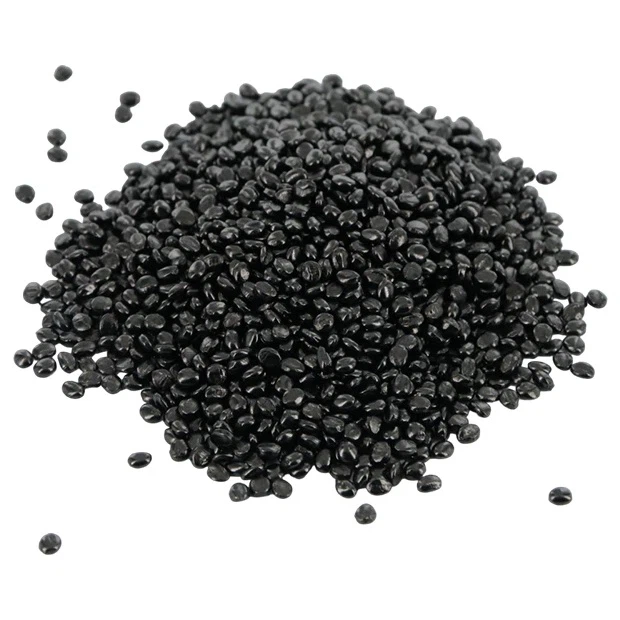
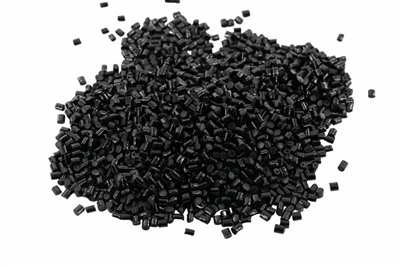

Extrusion is a widely used manufacturing process in the plastics industry, where raw plastic materials are melted and forced through a die to create various shapes such as pipes, filaments, and films. Black masterbatch, a concentrated mixture of carbon black pigment in a carrier resin, is commonly added during the extrusion process to impart black color and other beneficial properties to the final plastic products. As a supplier of black masterbatch for extrusion, I have witnessed firsthand how extrusion temperature can significantly affect the performance of black masterbatch and, consequently, the quality of the end products.
Impact on Dispersion
One of the primary functions of black masterbatch is to provide uniform coloration to the plastic products. The dispersion of carbon black particles within the carrier resin and the final plastic matrix is crucial for achieving this. Extrusion temperature plays a vital role in this process.


At lower extrusion temperatures, the viscosity of the plastic melt is relatively high. This high viscosity can impede the movement of carbon black particles, making it difficult for them to disperse evenly throughout the melt. As a result, the final product may exhibit streaks or uneven color distribution. For example, in the production of Black Masterbatch for Filament, poor dispersion due to low extrusion temperature can lead to inconsistent color in the filaments, which is unacceptable for applications such as 3D printing where color uniformity is essential.
On the other hand, when the extrusion temperature is too high, the carbon black particles may agglomerate. The excessive heat can cause the surface of the carbon black particles to become more reactive, leading to the formation of larger clusters. These agglomerates can then cause problems such as reduced mechanical properties and surface defects in the final product. In the case of Black Masterbatch for Water Pipe, agglomerated carbon black particles can weaken the pipe structure, potentially leading to leaks or failures over time.
Influence on Mechanical Properties
The mechanical properties of plastic products, such as tensile strength, impact resistance, and elongation at break, are also affected by the extrusion temperature in relation to black masterbatch.
Proper dispersion of black masterbatch at an optimal extrusion temperature can enhance the mechanical properties of the plastic. Carbon black particles can act as reinforcement agents, improving the strength and stiffness of the plastic matrix. When the extrusion temperature is within the appropriate range, the carbon black particles are well - dispersed, and they can effectively interact with the polymer chains, enhancing the load - bearing capacity of the material.
However, if the extrusion temperature is not controlled correctly, the mechanical properties can be compromised. As mentioned earlier, low temperatures can result in poor dispersion, leaving areas in the plastic with insufficient reinforcement. High temperatures, on the other hand, can cause thermal degradation of the polymer and the carbon black itself. Thermal degradation can break the polymer chains, reducing the molecular weight and thus the mechanical strength of the material. For instance, in the production of Black Masterbatch For Film Blown, improper extrusion temperature can lead to films with reduced tear resistance and puncture strength, which are critical properties for packaging applications.
Effect on UV Resistance
Black masterbatch is often used to improve the UV resistance of plastic products. Carbon black has excellent UV - absorbing properties, which can protect the plastic from the harmful effects of UV radiation, such as color fading, embrittlement, and loss of mechanical properties.
The extrusion temperature can influence the effectiveness of black masterbatch in providing UV protection. At the right extrusion temperature, the carbon black particles are properly dispersed, forming a uniform shield against UV rays. This ensures that the plastic product has consistent UV resistance throughout its structure.
If the extrusion temperature is too low and the dispersion is poor, the areas with insufficient carbon black coverage will be more vulnerable to UV damage. Conversely, high extrusion temperatures can cause the carbon black to degrade, reducing its UV - absorbing ability. For outdoor applications like water pipes or agricultural films, where UV resistance is crucial for long - term performance, maintaining the correct extrusion temperature is essential to ensure that the black masterbatch can provide optimal UV protection.
Determining the Optimal Extrusion Temperature
Determining the optimal extrusion temperature for black masterbatch is not a one - size - fits - all process. It depends on several factors, including the type of polymer resin, the concentration of carbon black in the masterbatch, and the specific requirements of the end product.
For different polymer resins, such as polyethylene (PE), polypropylene (PP), and polyvinyl chloride (PVC), each has its own melting point and processing temperature range. The extrusion temperature should be set within the recommended processing range of the base polymer to ensure proper melting and flow. Additionally, the higher the concentration of carbon black in the masterbatch, the more heat may be required to achieve good dispersion. However, this also increases the risk of overheating and degradation.
To find the optimal temperature, it is often necessary to conduct trial runs and quality control tests. These tests can include visual inspections for color uniformity, mechanical testing, and UV resistance testing. By carefully adjusting the extrusion temperature and monitoring the performance of the black masterbatch in the final product, the ideal temperature can be determined.
Conclusion
As a supplier of black masterbatch for extrusion, I understand the critical role that extrusion temperature plays in the performance of black masterbatch and the quality of the final plastic products. The extrusion temperature affects dispersion, mechanical properties, and UV resistance, all of which are essential for the functionality and appearance of the end products.
Whether you are producing filaments, water pipes, or blown films, ensuring the correct extrusion temperature is crucial for achieving the best results with our black masterbatch. If you are interested in learning more about our Black Masterbatch for Filament, Black Masterbatch for Water Pipe, or Black Masterbatch For Film Blown, we are here to provide you with technical support and guidance on the optimal processing conditions. Feel free to contact us to discuss your specific requirements and start a procurement negotiation.
References
- Plastics Extrusion Technology Handbook, Third Edition, by Allan A. Griff.
- Handbook of Carbon Black, by Donnet, Jean - Bernard; Bansal, Ramesh C.; Wang, Ming - Jun.
- "Effect of Extrusion Conditions on the Properties of Carbon Black - Filled Polypropylene Composites" by various researchers in polymer science journals.