

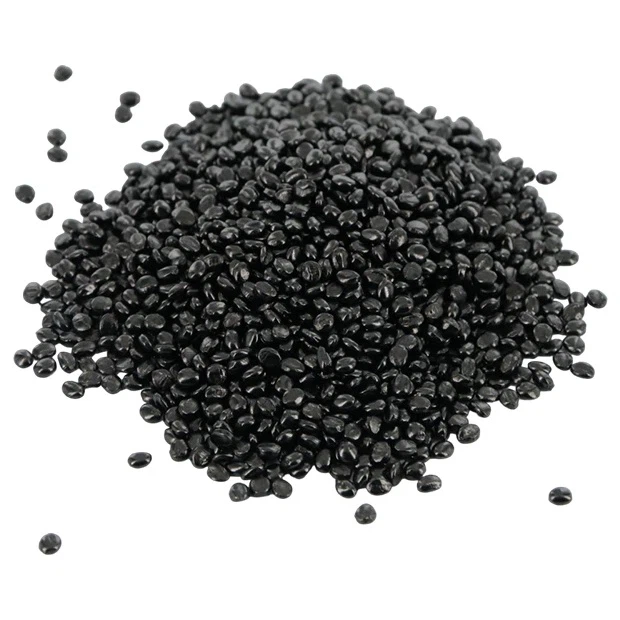
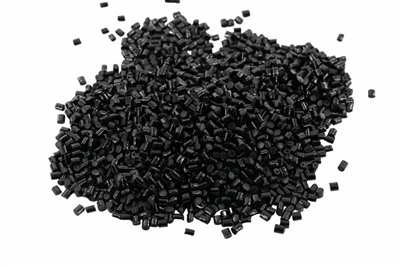

Hey there! As a supplier of black masterbatch for toys, I've been getting a lot of questions lately about how to improve the compatibility of black masterbatch with toy plastics. So, I thought I'd share some tips and tricks that I've learned over the years.
First off, let's talk about what compatibility means in this context. When we say that black masterbatch is compatible with toy plastics, we mean that it can be evenly dispersed throughout the plastic without causing any issues like clumping, streaking, or color variation. Compatibility is crucial because it ensures that the final toy product has a consistent color and appearance, which is important for both aesthetic and safety reasons.
One of the most important factors that affect compatibility is the type of plastic used in the toy. Different plastics have different chemical properties, and some may be more compatible with black masterbatch than others. For example, polypropylene (PP) and polyethylene (PE) are two of the most commonly used plastics in toy manufacturing, and they are generally very compatible with black masterbatch. On the other hand, polyvinyl chloride (PVC) can be a bit more challenging to work with because it contains additives that can react with the black masterbatch and cause compatibility issues.
So, how can you improve the compatibility of black masterbatch with toy plastics? Here are some tips:
1. Choose the Right Black Masterbatch
Not all black masterbatches are created equal. Some are designed specifically for use with certain types of plastics, while others are more universal. When choosing a black masterbatch for your toy plastics, it's important to consider the type of plastic you're using and choose a masterbatch that is compatible with it. For example, if you're using PP or PE, you can choose a universal black masterbatch that is suitable for a wide range of plastics. However, if you're using PVC, you may need to choose a specialized black masterbatch that is designed specifically for use with PVC. You can check out our Black Masterbatch for Garbage Bag and Black Masterbatch for Film Blown to get an idea of the different types of masterbatches we offer.
2. Check the Pigment Loading
The pigment loading of a black masterbatch refers to the amount of pigment that is present in the masterbatch. A higher pigment loading generally means that the masterbatch will be more concentrated and will require less to achieve the desired color. However, a higher pigment loading can also make the masterbatch more difficult to disperse evenly throughout the plastic, which can lead to compatibility issues. When choosing a black masterbatch, it's important to consider the pigment loading and choose a masterbatch that has a suitable loading for your application.
3. Use a Dispersion Aid
A dispersion aid is a chemical additive that can help to improve the dispersion of the black masterbatch throughout the plastic. Dispersion aids work by reducing the surface tension between the pigment particles and the plastic, which makes it easier for the pigment to be evenly distributed. There are many different types of dispersion aids available, and the type you choose will depend on the type of plastic you're using and the specific requirements of your application.
4. Adjust the Processing Conditions
The processing conditions used during toy manufacturing can also have a significant impact on the compatibility of black masterbatch with toy plastics. For example, the temperature, pressure, and shear rate used during extrusion or injection molding can all affect the dispersion of the masterbatch throughout the plastic. It's important to optimize the processing conditions to ensure that the masterbatch is evenly dispersed and that the final toy product has a consistent color and appearance.


5. Conduct Compatibility Tests
Before using a new black masterbatch or plastic in your toy manufacturing process, it's important to conduct compatibility tests to ensure that they are compatible with each other. Compatibility tests can help you to identify any potential issues before they become a problem and can help you to optimize the processing conditions to achieve the best possible results. There are many different types of compatibility tests available, and the type you choose will depend on the specific requirements of your application.
In addition to these tips, there are also some common mistakes that you should avoid when using black masterbatch with toy plastics. Here are a few examples:
1. Overloading the Masterbatch
Using too much black masterbatch can lead to compatibility issues because it can make the masterbatch more difficult to disperse evenly throughout the plastic. It's important to follow the manufacturer's recommendations for the amount of masterbatch to use and to avoid overloading the plastic.
2. Using the Wrong Type of Masterbatch
As mentioned earlier, not all black masterbatches are created equal. Using the wrong type of masterbatch for your plastic can lead to compatibility issues and can result in a final toy product that has a poor color and appearance. It's important to choose a masterbatch that is compatible with the type of plastic you're using.
3. Not Mixing the Masterbatch Properly
Proper mixing is essential for ensuring that the black masterbatch is evenly dispersed throughout the plastic. If the masterbatch is not mixed properly, it can lead to clumping, streaking, or color variation in the final toy product. It's important to use a high-quality mixer and to follow the manufacturer's recommendations for mixing time and speed.
4. Ignoring the Processing Conditions
As mentioned earlier, the processing conditions used during toy manufacturing can have a significant impact on the compatibility of black masterbatch with toy plastics. Ignoring the processing conditions and using the wrong temperature, pressure, or shear rate can lead to compatibility issues and can result in a final toy product that has a poor color and appearance. It's important to optimize the processing conditions to ensure that the masterbatch is evenly dispersed and that the final toy product has a consistent color and appearance.
In conclusion, improving the compatibility of black masterbatch with toy plastics is essential for ensuring that the final toy product has a consistent color and appearance. By choosing the right black masterbatch, checking the pigment loading, using a dispersion aid, adjusting the processing conditions, and conducting compatibility tests, you can improve the compatibility of black masterbatch with toy plastics and achieve the best possible results. If you have any questions or need more information about our black masterbatch products, please don't hesitate to contact us. We'd be happy to help you find the right solution for your toy manufacturing needs.
If you're interested in purchasing our black masterbatch for toys, we'd love to have a chat with you about your specific requirements. Whether you need a large - scale supply or a custom - formulated masterbatch, we're here to assist. Reach out to us and let's start a discussion about how we can meet your needs and improve the quality of your toy products.
References
- Plastic Additives Handbook, Hans Zweifel
- Handbook of Polyolefins, Second Edition, Edited by James T. L. Kuan