


Adjusting the dosage of black masterbatch for drain pipes according to production speed is a critical aspect of ensuring product quality and cost - effectiveness in the manufacturing process. As a supplier of Black Masterbatch for Drain Pipe, I have witnessed firsthand the challenges and importance of this adjustment. In this blog, I will share some insights and practical tips on how to achieve the optimal dosage under different production speeds.
Understanding the Basics of Black Masterbatch in Drain Pipe Production
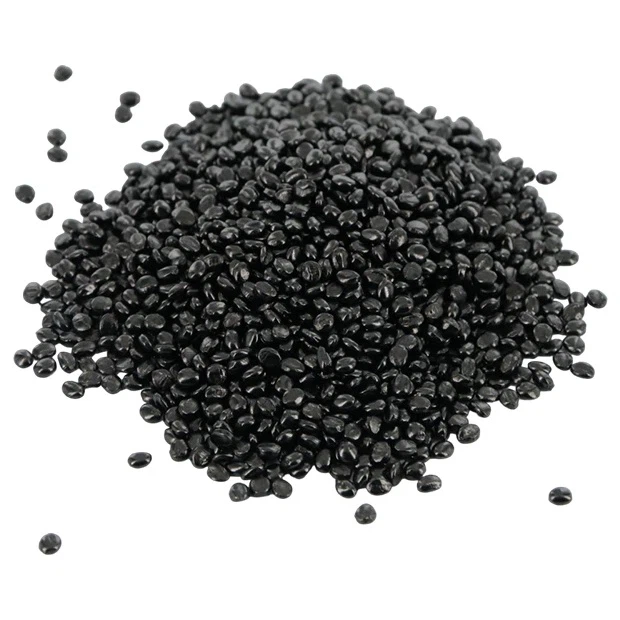
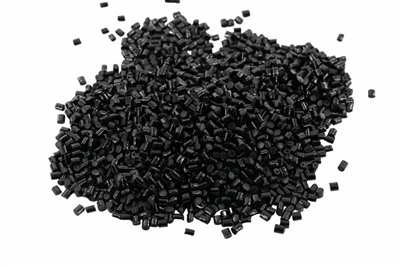
Black masterbatch is a concentrated mixture of carbon black pigment and a carrier resin. It is used in drain pipe production to provide color, UV protection, and other functional properties. The dosage of black masterbatch can significantly affect the appearance, durability, and performance of the drain pipes.

When the dosage is too low, the pipes may not have sufficient color intensity or UV resistance. This can lead to color fading and reduced lifespan, especially when the pipes are exposed to sunlight. On the other hand, an excessive dosage can increase production costs without providing proportionate benefits. It may also cause processing difficulties, such as increased viscosity and reduced flowability of the polymer melt.
The Relationship between Production Speed and Masterbatch Dosage
Production speed is a key factor that influences the dosage of black masterbatch. Generally, as the production speed increases, the time available for the masterbatch to disperse in the polymer matrix decreases. This means that at higher production speeds, a higher dosage of masterbatch may be required to achieve the same level of color uniformity and performance as at lower speeds.
For example, in a slow - speed production line, the polymer and masterbatch have more time to mix thoroughly. A relatively lower dosage of black masterbatch can be evenly distributed throughout the pipe, resulting in a consistent color and performance. However, when the production speed is accelerated, the mixing time is reduced, and there is a higher risk of uneven dispersion. To compensate for this, a slightly higher dosage of masterbatch can help ensure that the color and functional properties are maintained across the entire length of the pipe.

Factors to Consider When Adjusting Dosage
1. Polymer Type
Different polymers have different viscosities and processing characteristics. For instance, polyvinyl chloride (PVC), which is commonly used in drain pipe production, has a relatively high viscosity compared to some other polymers. This means that it may require more energy and time for the masterbatch to disperse evenly. When adjusting the dosage according to production speed, the polymer type should be taken into account. In general, polymers with higher viscosities may need a slightly higher dosage of masterbatch at higher production speeds to achieve good dispersion.
2. Masterbatch Quality
The quality of the black masterbatch also plays a crucial role. High - quality masterbatches usually have better dispersion properties, which means they can be more easily and evenly distributed in the polymer matrix. A high - quality masterbatch may allow for a lower dosage at a given production speed compared to a lower - quality one. As a supplier, we ensure that our Black Masterbatch for Drain Pipe meets the highest quality standards, enabling our customers to achieve optimal results with minimal dosage adjustments.
3. Equipment and Mixing Efficiency
The efficiency of the mixing equipment used in the production process is another important factor. Well - designed and maintained mixing equipment can improve the dispersion of the masterbatch, even at high production speeds. If the mixing equipment is old or not functioning properly, it may be necessary to increase the masterbatch dosage to compensate for the poor mixing efficiency. Regular maintenance and upgrades of the mixing equipment can help ensure consistent and efficient dispersion, reducing the need for excessive dosage adjustments.
Practical Steps for Adjusting Dosage
Step 1: Establish a Baseline
Before making any adjustments based on production speed, it is essential to establish a baseline dosage. This can be done through a series of trials at a moderate production speed. Start with a recommended dosage provided by the masterbatch supplier and gradually adjust it based on the color and performance requirements of the drain pipes. Conduct quality tests on the pipes produced at the baseline dosage to ensure that they meet the desired standards.
Step 2: Monitor Production Speed Changes
Keep a close eye on changes in production speed. When the production speed is increased or decreased, record the corresponding changes in the appearance and performance of the drain pipes. Look for signs of uneven color, such as streaks or patches, which may indicate poor dispersion of the masterbatch.

Step 3: Make Incremental Adjustments
Based on the observations from step 2, make incremental adjustments to the masterbatch dosage. If the pipes show signs of poor color uniformity at a higher production speed, increase the dosage by a small amount (e.g., 0.1 - 0.2% of the total polymer weight). Produce a small batch of pipes with the adjusted dosage and conduct quality tests again. Repeat this process until the desired color and performance are achieved.
Step 4: Document and Analyze Results
Keep detailed records of all dosage adjustments, production speeds, and the corresponding pipe quality results. Analyze this data to identify trends and patterns. This information can be used to develop a more accurate dosage adjustment strategy for future production runs.
Case Studies
Let's consider two case studies to illustrate the importance of adjusting the dosage of black masterbatch according to production speed.
Case Study 1: Low - Speed Production
A drain pipe manufacturer was operating at a relatively low production speed of 10 meters per minute. They were using our Black Masterbatch for Drain Pipe at a dosage of 2% of the total polymer weight. The pipes produced had a uniform black color and excellent UV resistance. The masterbatch had sufficient time to disperse evenly in the polymer matrix, resulting in high - quality products.
Case Study 2: High - Speed Production
The same manufacturer decided to increase the production speed to 30 meters per minute to meet increased demand. Initially, they continued using the 2% dosage. However, they noticed that the pipes had uneven color, with some areas appearing lighter than others. After consulting with us, they increased the dosage to 2.3%. With the adjusted dosage, the pipes regained their uniform color, and the quality was once again up to the desired standards.
Other Applications of Black Masterbatch
In addition to drain pipe production, black masterbatch has a wide range of other applications. For example, Black Masterbatch for Strech Film is used in the production of stretch films, which are commonly used for packaging. The dosage adjustment principles for stretch film production are similar to those for drain pipes, although the specific requirements may vary depending on the film's thickness, application, and production equipment.
Another application is Black Masterbatch for Blown Bottle. Blown bottles are used in various industries, such as food and beverage, cosmetics, and pharmaceuticals. The dosage of black masterbatch in blown bottle production needs to be carefully adjusted to ensure proper color, UV protection, and processing performance.

Conclusion
Adjusting the dosage of black masterbatch for drain pipes according to production speed is a complex but essential task. By understanding the relationship between production speed and masterbatch dosage, considering factors such as polymer type, masterbatch quality, and equipment efficiency, and following practical adjustment steps, manufacturers can achieve optimal product quality and cost - effectiveness.
As a supplier of Black Masterbatch for Drain Pipe, we are committed to providing our customers with high - quality products and technical support. If you are interested in purchasing our black masterbatch or have any questions about dosage adjustment, please feel free to contact us for further discussion and procurement negotiation.
References
- Polymer Processing Principles and Design by Z. Tadmor and C. G. Gogos
- Plastics Additives Handbook by Hans Zweifel