

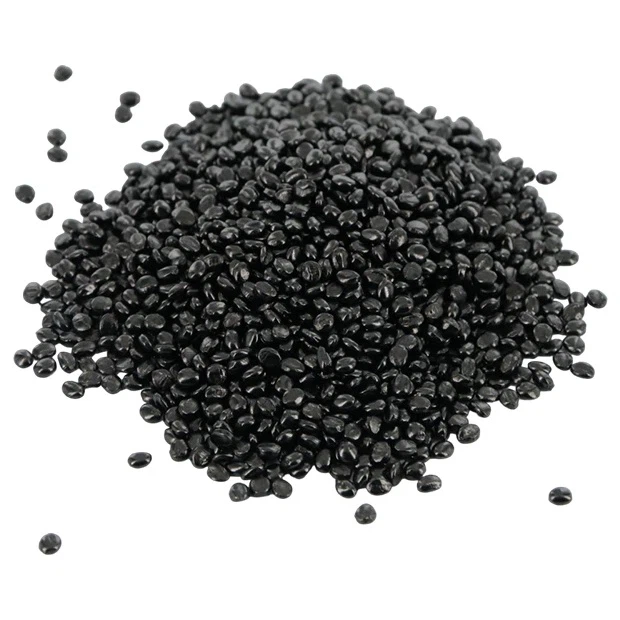
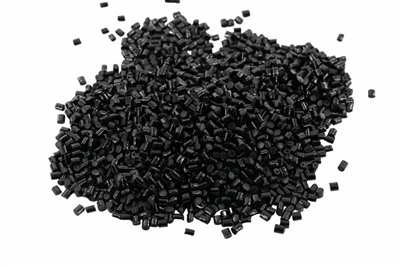

Hey there! As a supplier of black masterbatch for drain pipes, I often get asked how to check if the black masterbatch is fully dispersed in drain pipes. It's a crucial question because proper dispersion ensures the quality and performance of the drain pipes. So, let's dive right into it!
Why is Dispersion Important?
Before we talk about how to check dispersion, let's understand why it matters. When black masterbatch is evenly dispersed in the drain pipe material, it provides consistent color, UV protection, and mechanical properties. Uneven dispersion can lead to color streaks, reduced UV resistance, and weak spots in the pipes, which can ultimately affect their durability and functionality.
Visual Inspection
One of the simplest ways to check dispersion is through visual inspection. After the drain pipes are manufactured, take a close look at their surface. If the black color is uniform without any visible streaks, spots, or clumps, it's a good sign that the masterbatch is well-dispersed. However, visual inspection has its limitations. Some small agglomerates or uneven dispersion might not be visible to the naked eye, especially if they are inside the pipe walls.
Microscopic Examination
For a more detailed analysis, you can use a microscope. Cut a small sample from the drain pipe and examine it under a microscope. A well-dispersed masterbatch will show individual carbon black particles evenly distributed throughout the polymer matrix. On the other hand, if you see large clusters of carbon black or areas with a higher concentration of particles, it indicates poor dispersion.
There are different types of microscopes you can use, such as optical microscopes and electron microscopes. Optical microscopes are relatively inexpensive and can provide a good overview of the dispersion at a lower magnification. Electron microscopes, on the other hand, offer higher resolution and can detect even the smallest agglomerates. However, they are more expensive and require specialized training to operate.
Rheological Analysis
Rheological analysis is another method to check dispersion. Rheology is the study of the flow and deformation of materials. When black masterbatch is well-dispersed in the polymer, it affects the rheological properties of the melt. By measuring the viscosity and other rheological parameters of the polymer melt during the manufacturing process, you can get an idea of the dispersion quality.
If the masterbatch is not well-dispersed, it can cause an increase in viscosity or a change in the flow behavior of the melt. This can lead to processing problems, such as poor mold filling or uneven wall thickness in the drain pipes. Rheological analysis can help you identify these issues early on and make adjustments to the manufacturing process to improve dispersion.
Thermal Analysis
Thermal analysis techniques, such as differential scanning calorimetry (DSC) and thermogravimetric analysis (TGA), can also be used to check dispersion. DSC measures the heat flow associated with physical and chemical changes in a material as a function of temperature. TGA measures the weight loss of a material as it is heated.
When black masterbatch is well-dispersed in the polymer, it can affect the thermal properties of the material. For example, it can change the melting point, crystallization behavior, or thermal stability of the polymer. By comparing the thermal analysis results of a well-dispersed sample with a sample that might have poor dispersion, you can detect any differences and determine the dispersion quality.
Chemical Analysis
Chemical analysis can provide valuable information about the dispersion of black masterbatch in drain pipes. Techniques such as energy-dispersive X-ray spectroscopy (EDS) and X-ray photoelectron spectroscopy (XPS) can be used to analyze the elemental composition of the sample. These techniques can help you determine the distribution of carbon black particles in the polymer matrix.
If the masterbatch is well-dispersed, the carbon black particles should be evenly distributed throughout the sample. Chemical analysis can also detect any impurities or contaminants that might be present in the masterbatch or the polymer, which can affect the dispersion quality.
Importance of Using High-Quality Masterbatch
Using high-quality black masterbatch is essential for achieving good dispersion in drain pipes. At our company, we offer a range of black masterbatches for different applications, including Black Masterbatch for Sheet, Black Masterbatch for Filament, and Black Masterbatch for Granulation. Our masterbatches are formulated using high-quality carbon black and additives to ensure excellent dispersion and performance.
We use advanced manufacturing processes and quality control measures to produce masterbatches with consistent quality. Our R & D team is constantly working on improving our products to meet the changing needs of the market. By choosing our black masterbatch, you can be confident that you are getting a product that will provide optimal dispersion and enhance the quality of your drain pipes.
Tips for Ensuring Good Dispersion
In addition to using high-quality masterbatch, there are several other things you can do to ensure good dispersion in drain pipes. Here are some tips:


- Proper Mixing: Make sure to mix the masterbatch thoroughly with the polymer before the manufacturing process. Use a high-speed mixer or a twin-screw extruder to ensure uniform dispersion.
- Correct Processing Conditions: Optimize the processing conditions, such as temperature, pressure, and screw speed, to ensure proper melting and dispersion of the masterbatch.
- Regular Maintenance: Keep your manufacturing equipment clean and well-maintained to prevent any build-up of masterbatch or other contaminants, which can affect dispersion.
- Quality Control: Implement a comprehensive quality control program to monitor the dispersion quality of your drain pipes. This can include visual inspection, microscopic examination, and other analytical techniques.
Conclusion
Checking if black masterbatch is fully dispersed in drain pipes is crucial for ensuring the quality and performance of the pipes. By using a combination of visual inspection, microscopic examination, rheological analysis, thermal analysis, and chemical analysis, you can get a comprehensive understanding of the dispersion quality. Using high-quality masterbatch and following the tips mentioned above can also help you achieve good dispersion and produce high-quality drain pipes.
If you are interested in purchasing our black masterbatch for drain pipes or have any questions about our products, please feel free to contact us. We are always happy to help and look forward to working with you to meet your needs.
References
- "Plastics Additives Handbook" by Hans Zweifel
- "Rheology of Polymer Melts and Solutions" by Charles R. Schmelzer
- "Microscopy in Polymer Science" by Peter J. Barham