


Hey there! As a supplier of black masterbatch for drain pipes, I often get asked a super common question: "Is it necessary to pre - dry black masterbatch for drain pipe before use?" Well, let's dig into this topic and find out.
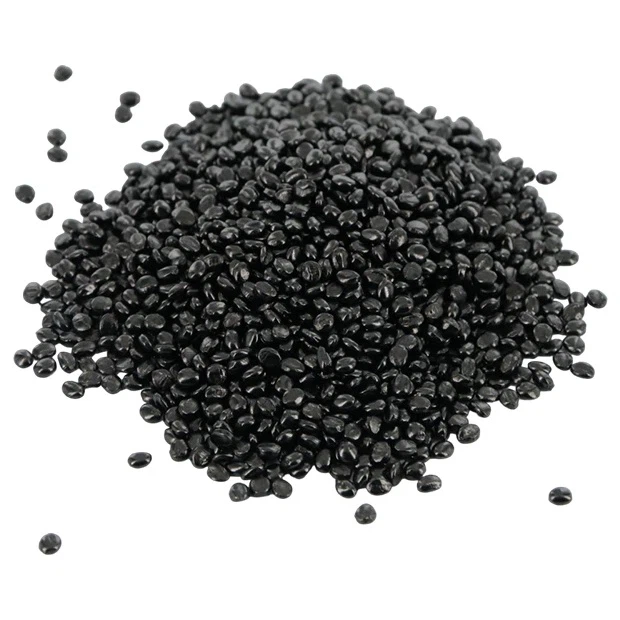
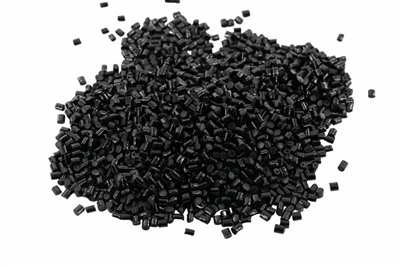
First off, let's understand what black masterbatch for drain pipes is. It's a concentrated form of black pigment, usually made up of carbon black, a carrier resin, and some additives. This masterbatch is used to color drain pipes black, which not only gives them an aesthetically pleasing look but also provides UV protection, making the pipes more durable in outdoor environments.
Now, let's talk about moisture. Moisture can be a real pain in the you - know - what when it comes to plastic processing. Black masterbatch, just like any other plastic material, can absorb moisture from the surrounding environment. This can happen during storage, transportation, or even just sitting around in a humid factory. When there's moisture in the masterbatch, it can cause a bunch of problems during the pipe manufacturing process.
One of the main issues is the formation of bubbles or voids in the finished drain pipes. When the moist masterbatch is melted and extruded, the water turns into steam. This steam gets trapped in the molten plastic, creating tiny bubbles. These bubbles can weaken the structural integrity of the pipes, making them more prone to cracking and breaking. No one wants a drain pipe that falls apart easily, right?
Another problem is surface defects. Moisture can lead to a rough or uneven surface finish on the pipes. This not only looks bad but can also affect the flow of water inside the pipes. A rough surface can cause friction, which slows down the water flow and can even lead to blockages over time.


So, does this mean we always have to pre - dry the black masterbatch? Well, it depends. There are a few factors to consider.
The first factor is the storage conditions. If the masterbatch has been stored in a dry environment, with low humidity levels, the chances of it absorbing a significant amount of moisture are relatively low. In this case, pre - drying might not be absolutely necessary. However, it's still a good idea to do a quick moisture test before using it. You can use a moisture meter, which is a handy little tool that can give you an accurate reading of the moisture content in the masterbatch.
The second factor is the type of carrier resin used in the masterbatch. Some carrier resins are more hygroscopic than others. Hygroscopic resins have a greater tendency to absorb moisture from the air. For example, if the masterbatch uses a polyamide or polyester carrier resin, it's more likely to absorb moisture and will probably need pre - drying. On the other hand, if the carrier resin is something like polyethylene or polypropylene, which are less hygroscopic, the need for pre - drying might be reduced.
The third factor is the manufacturing process itself. Some pipe manufacturing machines are more sensitive to moisture than others. High - speed extrusion machines, for instance, require a very consistent and dry material to operate smoothly. If you're using one of these machines, pre - drying the masterbatch is almost a must to avoid any production issues.
Now, let's talk about the pre - drying process. If you do decide that pre - drying is necessary, there are a few different methods you can use. One common method is to use a hot air dryer. This involves blowing hot, dry air through the masterbatch to evaporate the moisture. The temperature and duration of the drying process depend on the type of masterbatch and the moisture content. Generally, you'll want to dry the masterbatch at a temperature between 80 - 120 degrees Celsius for a few hours.
Another option is to use a desiccant dryer. Desiccants are materials that can absorb moisture from the air. In a desiccant dryer, the masterbatch is placed in a chamber with a desiccant, and the desiccant pulls the moisture out of the masterbatch. This method is often more energy - efficient and can provide a more uniform drying result.
But pre - drying also has its downsides. It takes time and energy, which adds to the production costs. And if not done properly, it can even degrade the quality of the masterbatch. Over - drying can cause the carrier resin to break down, which can affect the color and performance of the finished pipes.
So, to sum it up, while pre - drying black masterbatch for drain pipes can prevent a lot of problems, it's not always necessary. It really depends on the storage conditions, the type of carrier resin, and the manufacturing process. As a supplier, I always recommend doing a moisture test first to see if pre - drying is needed. If in doubt, it's better to err on the side of caution and pre - dry the masterbatch to ensure high - quality drain pipes.
If you're in the market for high - quality black masterbatch for drain pipes, we've got you covered. We also offer other types of black masterbatch, like Black Masterbatch for Wire and Cable, Food Contact Black Masterbatch, and Black Masterbatch For Granulation. If you're interested in learning more or want to discuss your specific requirements, feel free to reach out. We're here to help you get the best masterbatch for your needs.
References
- "Plastics Processing Handbook"
- "Polymer Science and Technology"
- Industry reports on plastic pipe manufacturing