

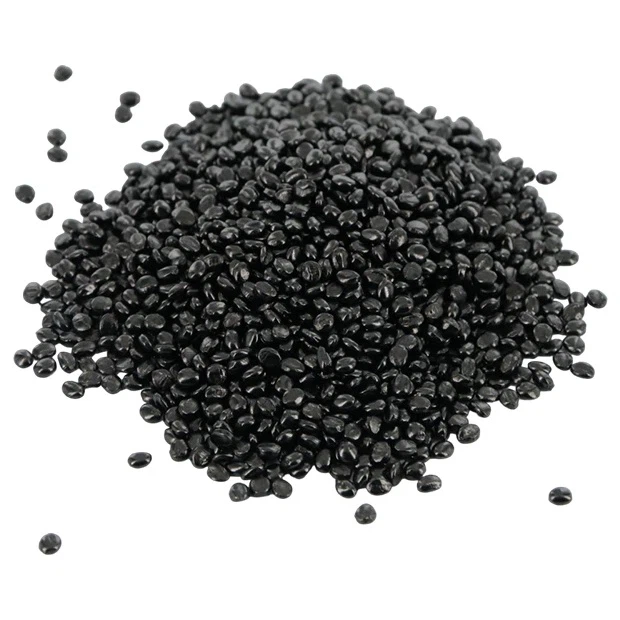
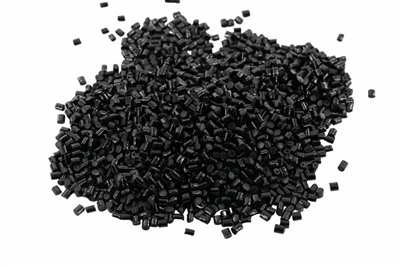

UV resistance is a critical property when it comes to black masterbatch for injection, especially considering the diverse applications where these products are used. As a leading supplier of black masterbatch for injection, we understand the importance of this characteristic and its impact on the performance and durability of the final products.
Understanding UV Resistance in Black Masterbatch
UV radiation from the sun can have detrimental effects on plastic products. It can cause discoloration, embrittlement, and a reduction in mechanical properties over time. Black masterbatch, which is used to impart a black color to plastic during the injection - molding process, plays a significant role in protecting the plastic from these harmful UV rays.
The UV resistance of black masterbatch is primarily determined by the type and quality of carbon black used. Carbon black is the key pigment in black masterbatch, and it acts as a UV absorber. Different grades of carbon black have varying degrees of UV - absorbing capabilities. For example, furnace black, which is commonly used in high - quality black masterbatch, has excellent UV - absorbing properties due to its high surface area and structure.
When carbon black is dispersed evenly in the plastic matrix during the injection - molding process, it forms a protective shield. This shield absorbs and scatters UV radiation, preventing it from reaching the polymer chains in the plastic. As a result, the plastic is less likely to undergo photodegradation.
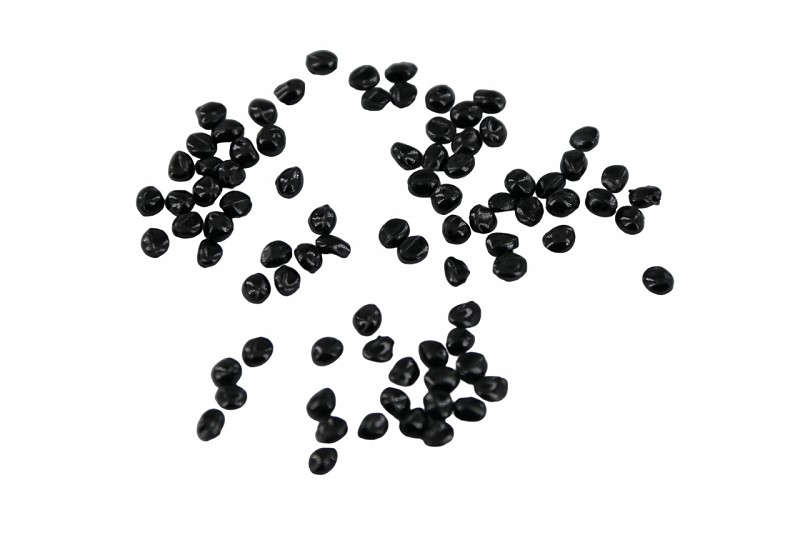

Factors Affecting UV Resistance
Several factors can influence the UV resistance of black masterbatch for injection. Firstly, the concentration of carbon black in the masterbatch is crucial. A higher concentration generally leads to better UV protection, but there is a balance to be struck. Too high a concentration can cause processing difficulties, such as increased viscosity and poor dispersion, which can ultimately affect the quality of the final product.
The dispersion quality of carbon black in the masterbatch also matters. If the carbon black particles are not well - dispersed, they may form agglomerates. These agglomerates can create weak spots in the plastic, where UV radiation can penetrate more easily, reducing the overall UV resistance. Our company uses advanced dispersion technologies to ensure that the carbon black is uniformly distributed in the masterbatch, maximizing its UV - protecting capabilities.
The type of polymer matrix used in the injection - molding process is another factor. Different polymers have different susceptibilities to UV radiation. For instance, polypropylene is more prone to UV degradation compared to polyethylene. Therefore, when formulating black masterbatch for injection, we take into account the specific polymer to be used and adjust the composition accordingly to provide optimal UV protection.
Applications and UV Resistance Requirements
The UV resistance requirements vary depending on the application of the black masterbatch for injection.
Stretch Film
For Black Masterbatch for Strech Film, UV resistance is essential, especially if the stretch film is used outdoors. Stretch films are often used to wrap pallets of goods stored in outdoor yards. Without adequate UV protection, the film can become brittle and break, leading to the loss of the wrapped goods. Our black masterbatch for stretch film is formulated to provide long - term UV resistance, ensuring that the film maintains its integrity and strength even when exposed to sunlight for extended periods.
Sunshade Net
Black Masterbatch for Sunshade Net is another application where high UV resistance is a must. Sunshade nets are exposed to direct sunlight all day long. If the masterbatch used in their production does not have good UV resistance, the net will deteriorate quickly, losing its shading ability and structural integrity. Our black masterbatch for sunshade nets is designed to withstand prolonged UV exposure, providing reliable protection against the sun's rays.
Home Appliances
In the case of Black Masterbatch for Home Appliances, although the appliances are usually used indoors, they may still be exposed to some UV radiation, for example, from windows. UV - induced discoloration and degradation can affect the aesthetic appearance and performance of the appliances. Our black masterbatch for home appliances offers sufficient UV resistance to prevent these issues, ensuring that the appliances maintain their black color and functionality over time.
Testing and Quality Assurance
To ensure the high UV resistance of our black masterbatch for injection, we conduct rigorous testing. We use accelerated weathering tests, where the samples are exposed to high - intensity UV radiation in a controlled environment. These tests simulate years of outdoor exposure in a relatively short period.
We also measure the color stability and mechanical properties of the samples before and after the weathering tests. Any significant changes in color or mechanical properties indicate a lack of UV resistance. By continuously monitoring and improving our products based on these test results, we can guarantee that our black masterbatch meets the highest standards of UV protection.
Conclusion
In conclusion, the UV resistance of black masterbatch for injection is a complex but crucial property. It is determined by factors such as the type and concentration of carbon black, dispersion quality, and the polymer matrix. Different applications have different UV resistance requirements, and our company is committed to providing tailored solutions to meet these needs.
If you are in the market for high - quality black masterbatch for injection with excellent UV resistance, we invite you to contact us for a detailed discussion. Our team of experts is ready to assist you in choosing the right product for your specific requirements. We look forward to the opportunity to work with you and contribute to the success of your projects.
References
- "Plastics Additives Handbook" by Hans Zweifel
- "Carbon Black: Science and Technology" by Donnet, B.C., Bansal, R.C., and Wang, M.J.