

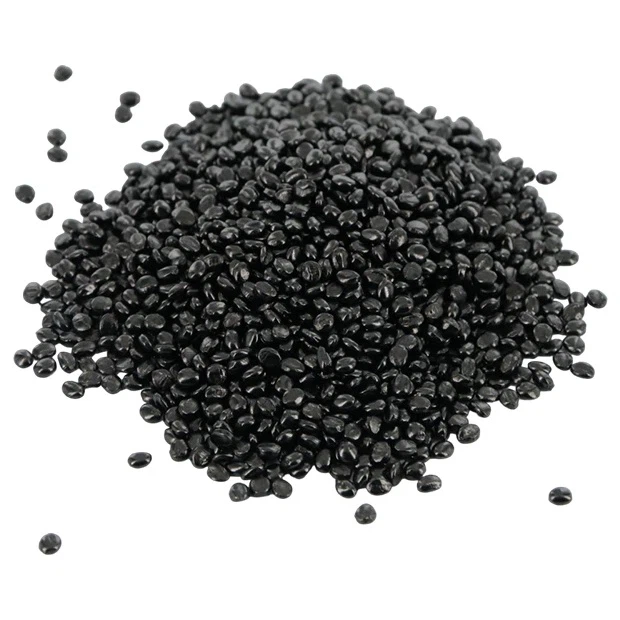
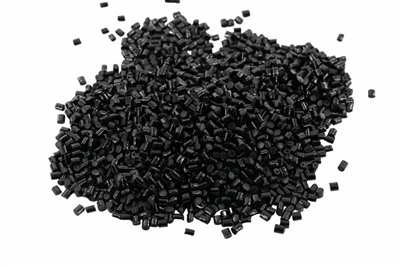

Ensuring the color consistency of PS plastics with PS black masterbatch is a critical aspect in various industries, from packaging to consumer goods. As a PS black masterbatch supplier, I understand the challenges and requirements that manufacturers face in achieving uniform and reliable coloration. In this blog, I will share some insights and strategies on how to ensure the color consistency of PS plastics when using our PS black masterbatch.

Understanding PS Plastics and Black Masterbatch
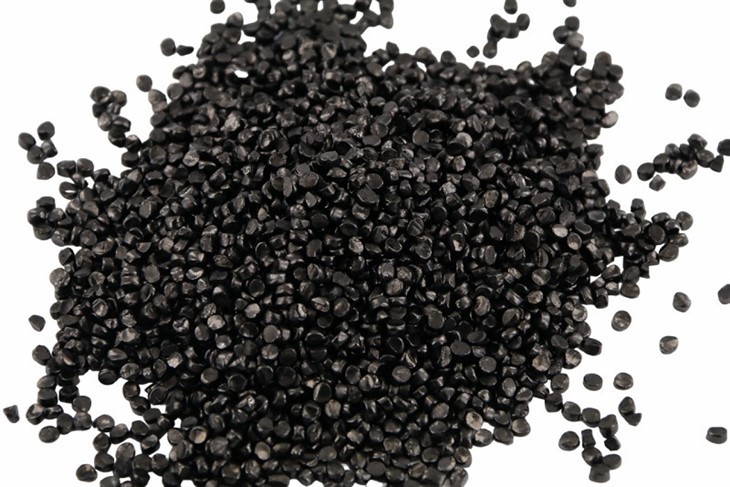
Polystyrene (PS) is a widely used thermoplastic polymer known for its clarity, stiffness, and ease of processing. It is commonly used in applications such as disposable cutlery, CD cases, and insulation materials. PS black masterbatch, on the other hand, is a concentrated mixture of carbon black pigment and a carrier resin, which is specifically formulated for use in PS plastics. The masterbatch is added to the PS resin during the manufacturing process to impart a black color to the final product.
Factors Affecting Color Consistency
Several factors can affect the color consistency of PS plastics when using PS black masterbatch. These factors include:
- Masterbatch Quality: The quality of the PS black masterbatch is crucial for achieving consistent color. A high-quality masterbatch should have a uniform dispersion of carbon black pigment, good compatibility with the PS resin, and consistent color strength.
- Mixing and Processing Conditions: Proper mixing and processing of the masterbatch and the PS resin are essential for ensuring uniform color distribution. Factors such as mixing time, temperature, and shear rate can affect the dispersion of the masterbatch and, consequently, the color consistency of the final product.
- Resin Variations: Variations in the PS resin, such as differences in melt flow index, molecular weight, and additives, can also affect the color consistency. It is important to use a consistent grade of PS resin and to ensure that the resin is properly dried before processing.
- Environmental Factors: Environmental factors, such as temperature and humidity, can also have an impact on the color consistency of PS plastics. For example, high temperatures can cause the carbon black pigment to degrade, resulting in a change in color.
Strategies for Ensuring Color Consistency
To ensure the color consistency of PS plastics with PS black masterbatch, the following strategies can be implemented:
- Choose a High-Quality Masterbatch: Select a PS black masterbatch from a reputable supplier that has a proven track record of providing consistent and high-quality products. Look for a masterbatch that is specifically formulated for use in PS plastics and that has been tested for color stability and dispersion.
- Optimize Mixing and Processing Conditions: Follow the manufacturer's recommendations for mixing and processing the masterbatch and the PS resin. Use a high-speed mixer or extruder to ensure proper dispersion of the masterbatch. Control the temperature, shear rate, and mixing time to achieve a uniform color distribution.
- Conduct Quality Control Tests: Regularly test the color of the final product using a colorimeter or spectrophotometer to ensure that it meets the desired specifications. Conduct batch-to-batch testing to identify any variations in color and to take corrective actions if necessary.
- Maintain Consistent Resin Quality: Use a consistent grade of PS resin and ensure that it is properly dried before processing. Store the resin in a dry and cool environment to prevent moisture absorption, which can affect the color consistency.
- Monitor Environmental Conditions: Control the environmental conditions during the manufacturing process to minimize the impact of temperature and humidity on the color consistency. Use air conditioning or dehumidifiers to maintain a stable environment.
Applications of PS Black Masterbatch
PS black masterbatch is used in a wide range of applications, including:
- Packaging: PS black masterbatch is commonly used in the packaging industry to provide a black color to PS containers, trays, and bottles. The black color can enhance the aesthetic appeal of the packaging and provide protection against UV light.
- Consumer Goods: PS black masterbatch is also used in the production of consumer goods such as electronic housings, toys, and stationery. The black color can give the products a sleek and modern look.
- Automotive Industry: In the automotive industry, PS black masterbatch is used to color interior and exterior parts, such as dashboards, door panels, and bumpers. The black color can provide a high-quality and durable finish.
Related Products
If you are interested in other types of black masterbatch, we also offer Black Masterbatch For Automotive, ABS Black Masterbatch, and PA Black Masterbatch. These masterbatches are specifically formulated for use in automotive, ABS, and PA plastics, respectively, and can provide excellent color consistency and performance.
Conclusion
Ensuring the color consistency of PS plastics with PS black masterbatch is essential for achieving high-quality and uniform products. By choosing a high-quality masterbatch, optimizing mixing and processing conditions, conducting quality control tests, maintaining consistent resin quality, and monitoring environmental conditions, manufacturers can minimize color variations and ensure that their products meet the desired specifications. If you have any questions or need further information about our PS black masterbatch or other related products, please feel free to contact us for a procurement discussion. We are committed to providing our customers with the best products and services to meet their specific needs.
References
- "Plastics Additives Handbook" by Hans Zweifel
- "Colorants for Plastics" by James F. Carley
- "Masterbatch Technology" by John Murphy