


As a supplier of black masterbatch for pipes, I often get asked about the melting point of this essential product. The melting point of black masterbatch for pipes is a critical parameter that can significantly impact the manufacturing process and the final quality of the pipes. In this blog post, I'll delve into what the melting point of black masterbatch for pipes is, why it matters, and how it relates to the overall performance of the pipes.
Understanding Black Masterbatch for Pipes
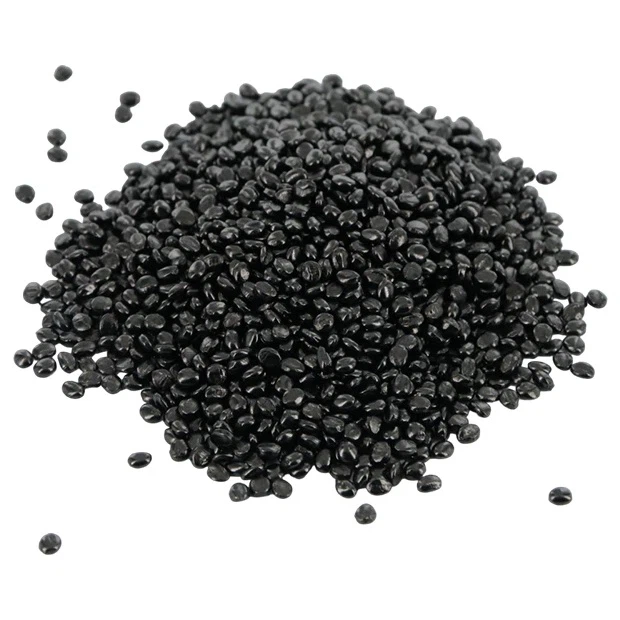
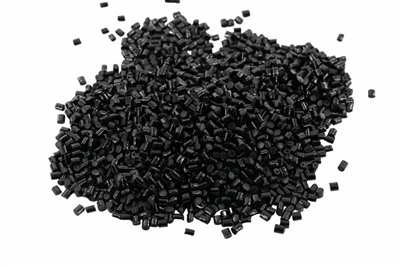
Black masterbatch for pipes is a concentrated blend of carbon black pigment and a carrier resin. It is used to impart a consistent black color to pipes and also provides UV protection, which is crucial for pipes exposed to sunlight. The carrier resin in the masterbatch can vary, with common types including polyethylene (PE), polypropylene (PP), and polyvinyl chloride (PVC). Each type of carrier resin has its own melting point range, which in turn affects the melting point of the black masterbatch.


Factors Affecting the Melting Point
The melting point of black masterbatch for pipes is primarily determined by the carrier resin. For example, high - density polyethylene (HDPE), a popular carrier resin for pipe masterbatch, has a melting point typically ranging from 120°C to 130°C. Low - density polyethylene (LDPE), on the other hand, has a lower melting point, usually between 105°C and 115°C. Polypropylene has a melting point around 160°C to 170°C, and PVC has a complex melting behavior due to its chemical structure, with a softening point starting around 70°C to 80°C and a full melting range that can vary depending on additives and processing conditions.
Another factor that can influence the melting point is the concentration of carbon black in the masterbatch. Higher concentrations of carbon black can slightly increase the melting point due to the thermal properties of carbon black. However, this effect is usually relatively small compared to the influence of the carrier resin.
Importance of the Melting Point in Pipe Manufacturing
The melting point of black masterbatch is of utmost importance in the pipe manufacturing process. During extrusion, the masterbatch needs to melt uniformly and blend well with the base resin of the pipe. If the melting point of the masterbatch is too high, it may not melt completely during the extrusion process, leading to uneven color distribution and potential defects in the pipes. On the other hand, if the melting point is too low, the masterbatch may start to decompose or cause premature melting in the processing equipment, which can also affect the quality of the pipes.
For example, in a PE pipe extrusion process, the processing temperature is carefully controlled to ensure that both the base PE resin and the black masterbatch melt and mix properly. If the masterbatch has a melting point significantly higher than the processing temperature, it will result in unmelted particles in the pipe, which can weaken the pipe's structure and reduce its overall performance.
Testing and Quality Control
As a supplier, we conduct rigorous testing to ensure that our black masterbatch for pipes has the appropriate melting point. Differential scanning calorimetry (DSC) is a common method used to measure the melting point of polymers and masterbatches. This technique measures the heat flow associated with physical and chemical changes in a sample as a function of temperature. By analyzing the DSC curve, we can accurately determine the melting point range of our masterbatch.
In addition to DSC, we also perform other quality control tests, such as dispersion tests, to ensure that the carbon black is well - dispersed in the carrier resin. A well - dispersed masterbatch with the correct melting point will provide consistent color and performance in the final pipes.
Comparison with Other Applications of Black Masterbatch
Black masterbatch is also used in other applications such as sheets, blown films, and agricultural films. For instance, Black Masterbatch for Sheet has different requirements compared to pipe masterbatch. Sheets may require a different carrier resin or a different melting point depending on the manufacturing process and the intended use of the sheet.
Similarly, Black Masterbatch For Film Blown and Black Masterbatch for Agriculture Film have their own specific melting point requirements. Film blowing processes often require a masterbatch with a lower melting point to ensure smooth processing and good film formation.
Tailoring the Melting Point to Customer Needs
We understand that different customers may have different requirements for the melting point of black masterbatch for pipes. Some customers may be using specific types of base resins or have unique processing equipment that requires a masterbatch with a particular melting point. As a supplier, we have the expertise and flexibility to customize our masterbatch products to meet these specific needs.
We work closely with our customers to understand their manufacturing processes and requirements. By adjusting the carrier resin type, carbon black concentration, and other additives, we can produce black masterbatch with the desired melting point and performance characteristics.
Conclusion
The melting point of black masterbatch for pipes is a key factor that affects the quality and performance of the final pipes. It is determined by the carrier resin, carbon black concentration, and other additives. As a supplier, we are committed to providing high - quality black masterbatch with the appropriate melting point for our customers' pipe manufacturing processes.
If you are in the pipe manufacturing industry and are looking for a reliable supplier of black masterbatch, we would love to have a conversation with you. Whether you need a standard product or a customized solution, we have the knowledge and resources to meet your needs. Contact us today to start a discussion about your black masterbatch requirements and explore how we can contribute to the success of your pipe manufacturing business.
References
- "Polymer Science and Technology" by James Mark
- "Extrusion: The Definitive Processing Guide and Handbook" by Christopher Rauwendaal