

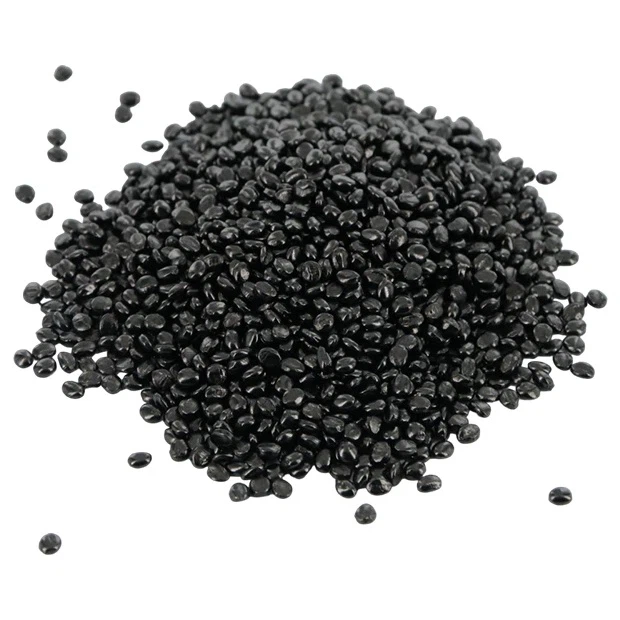
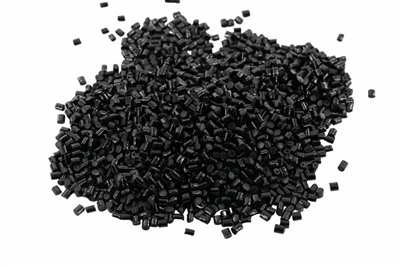

Hey there! As a supplier of black masterbatch for film blown, I've seen firsthand the ins and outs of this industry. Using black masterbatch for film blown comes with its fair share of challenges, and I'm here to break them down for you.
Compatibility Issues
One of the major challenges we often face is compatibility. Different polymers have different chemical structures and properties. When we're using black masterbatch in film blowing, it needs to blend seamlessly with the base polymer. If there's a lack of compatibility, it can lead to issues like poor dispersion of the black pigment.
For example, some polymers have a high melting point, while the carrier resin in the black masterbatch might have a lower melting point. This difference can cause the masterbatch to not disperse evenly during the film blowing process. As a result, you end up with films that have uneven color distribution, with some areas being darker than others. It's like trying to mix oil and water - they just don't want to get along!
To overcome this, we need to carefully select the carrier resin in the black masterbatch to match the base polymer. We also conduct a series of tests to ensure that the masterbatch will disperse well. But it's still a tricky balance, and sometimes, even with all the precautions, compatibility issues can pop up.
Dispersion Problems
Dispersion is crucial when it comes to using black masterbatch for film blown. If the black pigment in the masterbatch doesn't disperse properly, it can lead to a host of problems. One of the most obvious issues is the appearance of the film. Instead of a smooth, uniformly black film, you might see streaks or specks of undispersed pigment.
These streaks and specks not only affect the aesthetic appeal of the film but can also weaken its structural integrity. The undispersed pigment can act as stress concentrators, making the film more prone to tearing or breaking.
There are several factors that can contribute to dispersion problems. The quality of the mixing equipment is one. If the mixer isn't powerful enough or doesn't have the right design, it won't be able to break down the agglomerates of the black pigment effectively. The processing temperature also plays a role. If the temperature is too low, the masterbatch might not melt and disperse properly. On the other hand, if it's too high, it can cause degradation of the polymer and the pigment.
We've invested in high - quality mixing equipment and have strict temperature control protocols in place. But even so, achieving perfect dispersion is always a challenge, especially when dealing with different grades of polymers and masterbatches.
Thermal Stability
Thermal stability is another key challenge. During the film blowing process, the polymer and the black masterbatch are exposed to high temperatures. If the black masterbatch doesn't have good thermal stability, it can degrade.
When the masterbatch degrades, it can release volatile compounds. These compounds can not only cause unpleasant odors but can also contaminate the film. In some cases, the degradation can also change the color of the film. Instead of a rich, black color, you might end up with a film that has a brownish or grayish tint.
To ensure thermal stability, we use high - quality pigments and additives in our black masterbatch. We also conduct extensive thermal stability tests to make sure that the masterbatch can withstand the high temperatures of the film blowing process. However, different polymers have different processing temperature ranges, and it can be difficult to develop a black masterbatch that is thermally stable across all polymer types.
Cost - Benefit Analysis
Cost is always a concern for our customers. While black masterbatch is essential for achieving the desired color and properties in the film, it also adds to the overall cost of production.
Some customers might be tempted to go for cheaper black masterbatch options. However, these cheaper options often come with compromises. They might have lower quality pigments, which can lead to poor color fastness and dispersion issues. In the long run, using low - quality masterbatch can actually increase the cost due to higher rejection rates and the need for re - processing.


On the other hand, high - quality black masterbatch can be more expensive. We need to find the right balance between cost and quality. We offer different grades of black masterbatch to meet the diverse needs and budgets of our customers. But it's still a challenge to convince customers that investing in a higher - quality masterbatch can save them money in the long term.
Regulatory Compliance
In today's world, regulatory compliance is a must. There are various regulations regarding the use of pigments and additives in plastic films, especially when they are used for food packaging or other sensitive applications.
Our black masterbatch needs to comply with regulations such as FDA (Food and Drug Administration) requirements for food contact applications. This means that the pigments and additives used in the masterbatch must be safe and non - toxic. We also need to ensure that the masterbatch doesn't contain any harmful heavy metals or other contaminants.
Meeting these regulatory requirements can be a challenge. We need to source high - quality raw materials and conduct rigorous testing to ensure compliance. Any non - compliance can lead to serious consequences, including legal issues and damage to our reputation.
Market Competition
The market for black masterbatch for film blown is highly competitive. There are many suppliers out there, each offering their own products. Standing out from the competition is a constant challenge.
We need to continuously improve the quality of our black masterbatch, offer competitive prices, and provide excellent customer service. We also need to innovate and develop new products to meet the changing needs of the market. For example, with the growing demand for sustainable products, we're exploring the use of eco - friendly pigments and additives in our masterbatch.
However, it's not always easy to keep up with the competition. Some suppliers might cut corners on quality to offer lower prices, which can make it difficult for us to convince customers of the value of our products.
If you're facing any of these challenges or are looking for high - quality black masterbatch for your film blowing needs, we'd love to hear from you. We have a wide range of products, including Black Masterbatch For Granulation, Black Masterbatch for Toy, and Black Masterbatch for Mulch Film. Contact us to discuss your requirements and let's find the best solution together.
References
- "Plastics Additives Handbook" by Hans Zweifel
- "Polymer Processing: Principles and Design" by Christopher Rauwendaal