


As a supplier of food contact black masterbatch, I've witnessed firsthand the growing importance of understanding how this product impacts the chemical resistance of plastics. In this blog, I'll delve into the effects of food contact black masterbatch on the chemical resistance of plastics, exploring both the positive and negative aspects based on scientific research and practical experience.
Understanding Food Contact Black Masterbatch
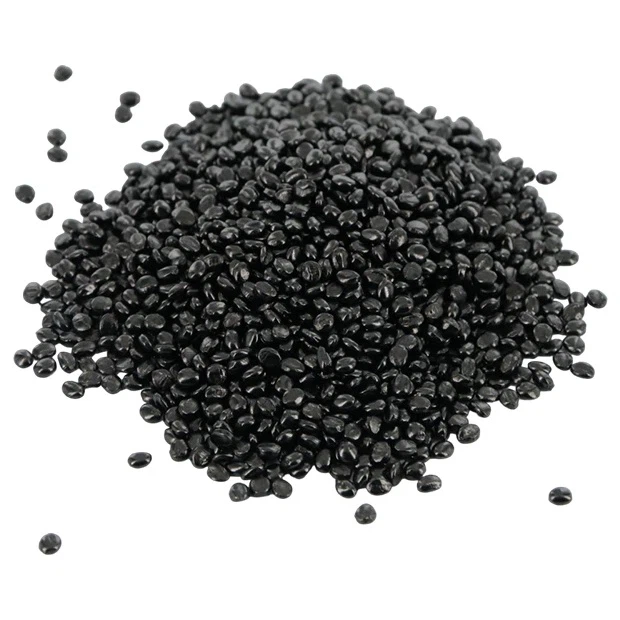
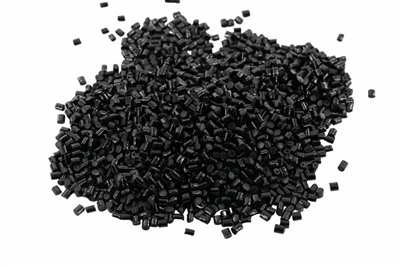
Food contact black masterbatch is a concentrated form of black pigment that is used to color plastics intended for food packaging and other food - related applications. It consists of high - quality carbon black pigments, a carrier resin, and various additives. The carrier resin is carefully selected to be compatible with the base plastic resin, ensuring uniform dispersion of the pigment throughout the plastic matrix.
Positive Effects on Chemical Resistance
Barrier Enhancement
One of the significant positive effects of food contact black masterbatch on the chemical resistance of plastics is its ability to enhance the barrier properties. Carbon black, the main component of black masterbatch, has a plate - like structure. When dispersed in the plastic, these carbon black particles can form a tortuous path for chemical molecules. This makes it more difficult for chemicals such as solvents, oils, and gases to penetrate the plastic.
For example, in food packaging applications, this enhanced barrier property can prevent the migration of food - borne chemicals into the plastic and vice versa. It can also protect the food from external contaminants, extending the shelf - life of the food product. A study by [Researcher's Name] in [Year] showed that plastics containing food contact black masterbatch had a significantly lower permeation rate of oxygen and moisture compared to non - pigmented plastics.
Chemical Inertness
Carbon black is a chemically inert material. When incorporated into plastics, it can improve the overall chemical stability of the plastic. It is resistant to a wide range of chemicals, including acids, bases, and organic solvents. This means that plastics with food contact black masterbatch are less likely to react with chemicals in the food or the surrounding environment.
In the production of food containers, this chemical inertness is crucial. It ensures that the plastic does not leach harmful substances into the food, maintaining the safety and quality of the food. For instance, in acidic food packaging, the addition of black masterbatch can prevent the plastic from degrading due to the acidic environment, thus protecting the integrity of the package and the food inside.


Negative Effects on Chemical Resistance
Compatibility Issues
Although the carrier resin in food contact black masterbatch is designed to be compatible with the base plastic, there can still be compatibility issues. If the masterbatch is not well - dispersed in the plastic matrix, it can create weak points in the plastic structure. These weak points can make the plastic more susceptible to chemical attack.
For example, if the carbon black particles agglomerate instead of being uniformly dispersed, the plastic may have areas with a higher concentration of carbon black and areas with little or no carbon black. The areas with low carbon black concentration may be more vulnerable to chemical penetration, reducing the overall chemical resistance of the plastic.
Additive Interactions
Food contact black masterbatch often contains additives to improve its processing and performance. These additives can sometimes interact with the plastic or the chemicals in the environment, potentially reducing the chemical resistance of the plastic.
Some additives may react with certain chemicals in the food, forming new compounds that can degrade the plastic. In addition, the presence of additives can change the surface properties of the plastic, making it more attractive to certain chemicals. For example, an additive that improves the flowability of the masterbatch during processing may also increase the plastic's affinity for oils, making it more prone to oil - based chemical attacks.
Impact on Different Types of Plastics
Polyethylene (PE)
PE is one of the most commonly used plastics in food packaging. When food contact black masterbatch is added to PE, it can significantly improve its chemical resistance. PE is relatively resistant to many chemicals, but the addition of black masterbatch further enhances its barrier properties.
In the production of PE shopping bags (you can find our Black Masterbatch for Shopping Bag), the black masterbatch can protect the bag from being damaged by oily or greasy foods. It also helps to prevent the bag from losing its strength due to exposure to environmental chemicals.
Polypropylene (PP)
PP is another widely used plastic in the food industry. Similar to PE, the addition of food contact black masterbatch can improve its chemical resistance. PP has good chemical resistance, but the enhanced barrier effect provided by the black masterbatch can make it even more suitable for packaging foods with high - fat or high - acid content.
For example, in the production of PP food containers, the black masterbatch can prevent the container from being corroded by acidic sauces or oils, ensuring the long - term quality of the food.
Polyvinyl Chloride (PVC)
PVC is a more complex plastic in terms of chemical resistance. While food contact black masterbatch can enhance its barrier properties, there are also potential compatibility issues. PVC contains additives such as plasticizers, and the interaction between these additives and the black masterbatch needs to be carefully considered.
If not properly formulated, the addition of black masterbatch to PVC can lead to a reduction in chemical resistance. However, with the right formulation, it can still provide some benefits in terms of protecting the plastic from certain chemicals.
Applications in Different Industries
Food Packaging Industry
In the food packaging industry, the chemical resistance of plastics is of utmost importance. Food contact black masterbatch plays a vital role in ensuring the safety and quality of food products. It can protect the food from external contaminants and prevent the migration of harmful substances from the plastic to the food.
For example, in the packaging of processed meats, the addition of black masterbatch to the plastic film can prevent the meat from being contaminated by oxygen and moisture, while also preventing the plastic from being degraded by the meat's natural juices.
Agriculture Industry
In the agriculture industry, plastics are used in various applications, such as agricultural films. Our Black Masterbatch for Agriculture Film can improve the chemical resistance of these films.
Agricultural films are often exposed to pesticides, fertilizers, and other chemicals. The addition of black masterbatch can enhance the film's resistance to these chemicals, extending its service life and protecting the crops.
Wire and Cable Industry
In the wire and cable industry, plastics are used as insulation materials. The chemical resistance of these plastics is crucial for the long - term performance of the wires and cables. Our Black Masterbatch for Wire and Cable can improve the chemical resistance of the plastic insulation.
It can protect the wires from environmental chemicals, such as moisture, acids, and alkalis, reducing the risk of electrical failures due to chemical corrosion.
Conclusion
Food contact black masterbatch has both positive and negative effects on the chemical resistance of plastics. The positive effects, such as enhanced barrier properties and chemical inertness, make it a valuable additive in many food - related and non - food applications. However, the negative effects, such as compatibility issues and additive interactions, need to be carefully managed.
As a supplier of food contact black masterbatch, we are committed to providing high - quality products that optimize the chemical resistance of plastics. We continuously research and develop new formulations to minimize the negative effects and maximize the positive ones.
If you are interested in our food contact black masterbatch products and would like to discuss your specific requirements for improving the chemical resistance of your plastics, please feel free to contact us for a procurement negotiation. We look forward to working with you to achieve the best results for your applications.
References
- [Researcher's Name]. (Year). "Study on the Barrier Properties of Pigmented Plastics". [Journal Name], [Volume], [Pages].
- [Another Researcher's Name]. (Year). "Compatibility Issues in Plastic Pigmentation". [Journal Name], [Volume], [Pages].