

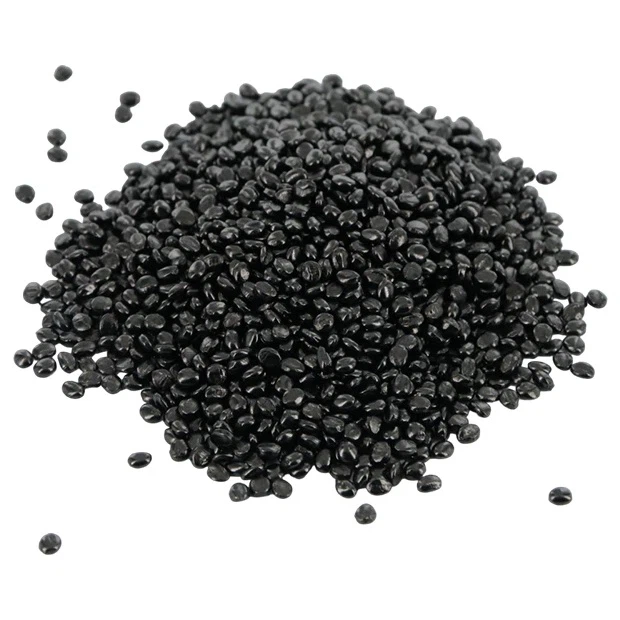
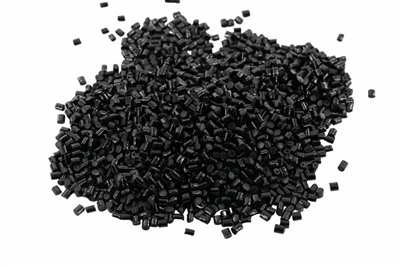

Speciality black masterbatch is a crucial additive in the plastics industry, offering a wide range of benefits beyond just coloration. One of the less - explored but highly significant aspects is its impact on the anti - acoustic properties of plastics. As a leading speciality black masterbatch supplier, we have witnessed firsthand how this unique product can transform the acoustic performance of various plastic materials.
Understanding Speciality Black Masterbatch
Before delving into its effects on anti - acoustic properties, it's essential to understand what speciality black masterbatch is. Speciality black masterbatch is a concentrated mixture of carbon black pigment and a carrier resin. The carbon black used in speciality black masterbatch is of high quality, often with specific particle sizes and surface areas optimized for different applications. The carrier resin is carefully selected to be compatible with the base plastic resin, ensuring uniform dispersion during the manufacturing process.
We offer a diverse range of speciality black masterbatches, including PA Black Masterbatch, PC Black Masterbatch, and No Carrier Black Masterbatch. Each type is formulated to meet the specific requirements of different plastic materials and end - use applications.
How Speciality Black Masterbatch Affects Anti - Acoustic Properties
1. Damping Effect
One of the primary ways speciality black masterbatch influences the anti - acoustic properties of plastics is through its damping effect. When sound waves encounter a plastic material, they cause the material to vibrate. The presence of carbon black particles in the speciality black masterbatch can dissipate the energy of these vibrations. The carbon black particles act as tiny energy absorbers, converting the mechanical energy of the vibrations into heat energy. This energy dissipation reduces the amplitude of the vibrations, effectively dampening the sound waves and reducing noise transmission.
For example, in automotive interior parts made of plastic, the use of speciality black masterbatch can significantly reduce the noise generated by the engine, road, and other external sources. The damped plastic parts absorb and dissipate the sound energy, creating a quieter and more comfortable driving environment.
2. Changing the Material's Density and Structure
Speciality black masterbatch can also alter the density and internal structure of the plastic material. The addition of carbon black particles increases the density of the plastic, which can have a positive impact on its acoustic performance. A denser material generally has better sound - insulating properties because it can impede the transmission of sound waves more effectively.
Moreover, the carbon black particles can disrupt the regular molecular structure of the plastic, creating a more complex and tortuous path for sound waves to travel through. This increased complexity makes it more difficult for sound waves to propagate through the material, further enhancing its anti - acoustic capabilities.
3. Improving the Material's Stiffness
In some cases, speciality black masterbatch can improve the stiffness of the plastic material. A stiffer plastic is less likely to vibrate in response to sound waves, which helps in reducing noise generation. When the plastic is less prone to vibration, it can better resist the transmission of sound energy, leading to improved anti - acoustic properties.
Applications in Different Industries
1. Automotive Industry
As mentioned earlier, the automotive industry benefits greatly from the anti - acoustic properties of plastics enhanced by speciality black masterbatch. In addition to interior parts, engine covers, dashboard components, and door panels can all be made with plastic materials containing speciality black masterbatch. These parts not only reduce noise but also contribute to the overall weight reduction of the vehicle, improving fuel efficiency.
2. Consumer Electronics
In consumer electronics, such as laptops, smartphones, and audio equipment, the use of plastics with improved anti - acoustic properties is crucial. Speciality black masterbatch can be used to manufacture casings and internal components that help in reducing the noise generated by the device's internal components, such as fans and hard drives. This results in a quieter user experience and can also enhance the overall quality and durability of the product.
3. Building and Construction
In the building and construction industry, plastic materials with enhanced anti - acoustic properties are used for various applications, including insulation panels, window frames, and plumbing pipes. Speciality black masterbatch can be incorporated into these plastic products to reduce the transmission of noise between rooms or from the outside environment. This helps in creating a more peaceful and comfortable living or working space.
Factors Affecting the Anti - Acoustic Performance
1. Carbon Black Concentration
The concentration of carbon black in the speciality black masterbatch plays a significant role in determining the anti - acoustic performance of the plastic material. Generally, a higher concentration of carbon black leads to better damping and sound - insulating properties. However, there is a limit to the amount of carbon black that can be added, as excessive amounts can affect the mechanical properties of the plastic, such as its strength and flexibility.
2. Particle Size and Distribution
The particle size and distribution of the carbon black in the speciality black masterbatch also impact the anti - acoustic properties. Smaller carbon black particles tend to have a larger surface area, which allows for more efficient energy dissipation. A uniform particle distribution ensures that the damping effect is evenly distributed throughout the plastic material, maximizing its anti - acoustic performance.
3. Compatibility with the Base Resin
The compatibility between the speciality black masterbatch and the base plastic resin is crucial. If the masterbatch is not compatible with the resin, it may not disperse evenly, leading to inconsistent anti - acoustic properties. Our speciality black masterbatches are carefully formulated to ensure excellent compatibility with a wide range of base resins, guaranteeing uniform performance.
Case Studies
1. Automotive Interior Part
A major automotive manufacturer was facing challenges with high - level noise in their vehicles' interiors. They decided to use our PA Black Masterbatch in the production of their dashboard components. After the implementation, they noticed a significant reduction in noise levels inside the vehicle. The damping effect of the speciality black masterbatch effectively absorbed and dissipated the sound energy, creating a quieter driving environment.


2. Consumer Electronics Casing
A leading consumer electronics company was looking to improve the acoustic performance of their laptop casings. By using our PC Black Masterbatch, they were able to reduce the noise generated by the laptop's internal components. The improved anti - acoustic properties of the plastic casing enhanced the overall user experience, making the laptop more appealing to consumers.
Conclusion
Speciality black masterbatch offers a unique and effective way to enhance the anti - acoustic properties of plastics. Through its damping effect, changes in material density and structure, and improvement in stiffness, it can significantly reduce noise transmission and generation in various applications. As a reliable speciality black masterbatch supplier, we are committed to providing high - quality products that meet the diverse needs of different industries.
If you are interested in exploring how our speciality black masterbatches can improve the anti - acoustic properties of your plastic products, we invite you to contact us for further discussion and procurement. We have a team of experts ready to assist you in finding the most suitable solution for your specific requirements.
References
- "Plastics Additives Handbook" by Hans Zweifel.
- "Acoustics: Sound Fields, Transducers and Vibration" by Leo L. Beranek and Tim J. Mellow.
- Research papers on the acoustic properties of filled polymers from academic journals such as "Polymer Engineering and Science" and "Journal of Applied Polymer Science".