

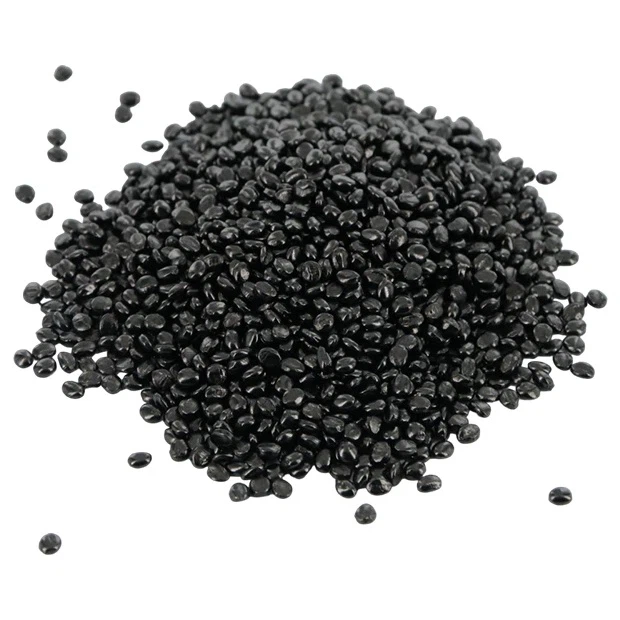
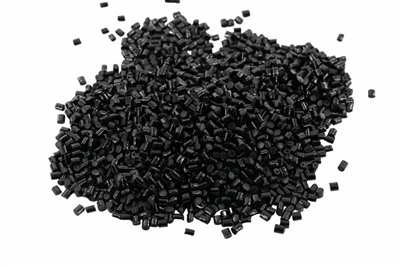

When it comes to using black masterbatch for film blown, there are indeed some special requirements for the processing equipment. As a dedicated supplier of black masterbatch for film blown, I have witnessed firsthand how the right equipment can significantly impact the quality and efficiency of the film - blowing process.
Compatibility of Screw Design
The screw of the extruder is one of the most critical components in the film - blowing process. For black masterbatch, a well - designed screw is essential. The screw should have a proper compression ratio. A higher compression ratio can help in better dispersion of the black masterbatch within the base resin. This is because the black masterbatch contains carbon black particles, which need to be evenly distributed throughout the polymer matrix to ensure uniform color and physical properties of the blown film.
Typically, a screw with a compression ratio between 2.5:1 and 4:1 is suitable for processing black masterbatch. The feed section of the screw should be large enough to handle the incoming raw materials, including the black masterbatch and the base resin. The metering section, on the other hand, needs to ensure a consistent flow of the molten polymer - masterbatch mixture to the die. If the screw design is not optimized, it may lead to poor dispersion of the black masterbatch, resulting in streaks or uneven color in the final film.


Extruder Temperature Control
Precise temperature control is another crucial aspect when using black masterbatch for film blown. Different types of base resins used in film blowing have different melting points, and the black masterbatch also has its own thermal properties. The extruder should be able to maintain a stable temperature profile along its length.
In the feed section, the temperature should be low enough to prevent premature melting of the raw materials and ensure proper feeding. As the materials move towards the compression and metering sections, the temperature gradually increases to melt the base resin and disperse the black masterbatch. For example, when using polyethylene as the base resin, the temperature in the metering section may range from 180°C to 220°C, depending on the specific grade of polyethylene and the formulation of the black masterbatch.
Overheating can cause degradation of the black masterbatch and the base resin. This can lead to a decrease in the mechanical properties of the film, such as reduced tensile strength and elongation. On the other hand, if the temperature is too low, the black masterbatch may not disperse properly, resulting in a poor - quality film.
Filtration System
A high - quality filtration system is necessary when using black masterbatch for film blown. The black masterbatch may contain some impurities, such as agglomerates of carbon black or other contaminants. These impurities can cause defects in the film, such as holes or fish - eyes.
The filtration system should be able to remove these impurities effectively. A screen changer is commonly used in the extrusion process. It consists of a series of screens with different mesh sizes. The finer the mesh size, the more impurities can be removed. However, a very fine mesh may also cause a significant pressure drop in the extruder, reducing the throughput. Therefore, a balance needs to be struck between the filtration efficiency and the extrusion rate.
Some advanced filtration systems use self - cleaning mechanisms, which can automatically remove the accumulated impurities without interrupting the extrusion process. This is particularly useful in continuous film - blowing operations, as it helps to maintain a consistent production quality.
Die Design
The die is responsible for shaping the molten polymer - masterbatch mixture into a film. The design of the die has a direct impact on the thickness uniformity and the surface quality of the blown film.
For black masterbatch applications, the die should have a smooth internal surface to prevent the adhesion of the molten material. Any rough surface can cause flow disturbances, leading to uneven film thickness or surface defects. The die lip gap also needs to be carefully adjusted. A uniform die lip gap ensures a consistent flow of the molten material, resulting in a film with uniform thickness.
In addition, the die should be able to withstand the high pressure and temperature during the extrusion process. Some dies are made of high - quality steel or other heat - resistant materials to ensure long - term durability.
Cooling System
After the film is extruded from the die, it needs to be cooled rapidly to solidify. A proper cooling system is essential for the quality of the blown film.
There are two main types of cooling systems: air - cooling and water - cooling. Air - cooling is more commonly used in film - blowing processes. The cooling air should be evenly distributed around the blown bubble to ensure uniform cooling. If the cooling is uneven, it can cause shrinkage or warping of the film.
The temperature of the cooling air also needs to be controlled. A lower air temperature can increase the cooling rate, but it may also cause the film to become brittle. Therefore, the optimal cooling air temperature needs to be determined based on the type of base resin and the thickness of the film.
Special Considerations for Different Applications
Depending on the specific application of the blown film, there may be additional requirements for the processing equipment. For example, if the film is intended for food contact applications, the processing equipment needs to meet strict hygiene standards. Food Contact Black Masterbatch requires that the extruder, die, and other components be made of materials that are safe for food contact and can be easily cleaned to prevent contamination.
For toys, the film needs to have certain mechanical and aesthetic properties. Black Masterbatch for Toy may require a more precise control of the processing equipment to ensure the film has the right texture and color consistency.
In engineering applications, the film may need to have high strength and heat resistance. Engineering Compounding Black Masterbatch often requires more advanced processing equipment with higher temperature and pressure capabilities to ensure proper dispersion and melting of the additives in the masterbatch.
Conclusion
In conclusion, using black masterbatch for film blown requires special attention to the processing equipment. From the screw design of the extruder to the cooling system, each component plays a vital role in ensuring the quality of the final film. As a supplier of black masterbatch for film blown, I understand the importance of these requirements and am committed to providing our customers with not only high - quality masterbatch but also technical support on the processing equipment.
If you are interested in our black masterbatch products or have any questions about the processing equipment requirements, please feel free to contact us for further discussion and potential procurement. We are always ready to assist you in achieving the best results in your film - blowing operations.
References
- "Plastics Extrusion Technology" by Allan A. Griff.
- "Film Blowing: Principles and Practice" by J. L. White and K. P. Tanner.