

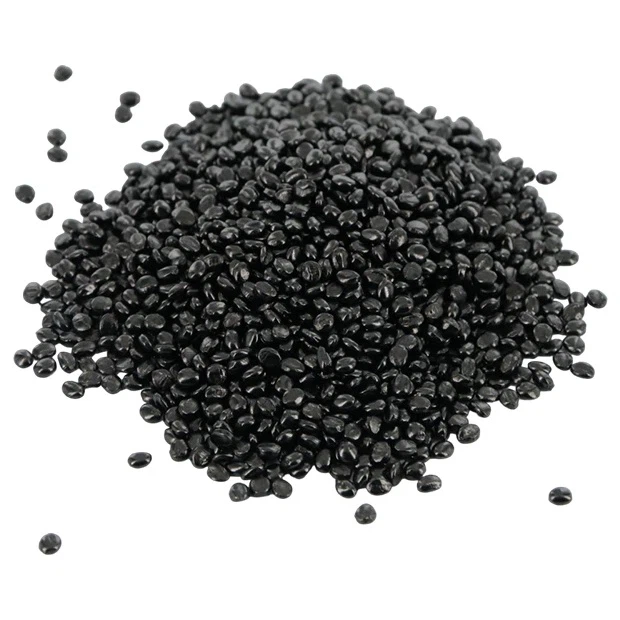
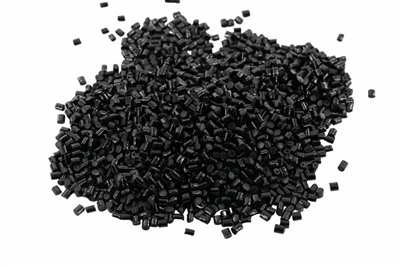

Hey there! As a supplier of speciality black masterbatch, I've seen firsthand how it can make a huge difference in the world of plastics. Today, I want to chat about one of the most important aspects: its effects on the anti - peeling properties of plastics.
Let's start by understanding what speciality black masterbatch is. It's a highly concentrated mixture of pigments and additives that are used to color plastics. Unlike regular black masterbatch, speciality black masterbatch is formulated with specific properties in mind, such as enhancing the anti - peeling characteristics of the plastic products.
How Speciality Black Masterbatch Works
When speciality black masterbatch is added to plastics during the manufacturing process, it doesn't just give them a nice black color. It also plays a crucial role in improving the adhesion between different layers of the plastic. You see, peeling in plastics often occurs when the layers don't bond well with each other. This can be due to a variety of factors, like differences in material properties, environmental conditions, or poor processing techniques.
Speciality black masterbatch contains additives that act as bonding agents. These additives help to create a stronger molecular bond between the plastic molecules and the pigment particles. As a result, the layers of the plastic are more tightly held together, reducing the likelihood of peeling.
For example, in some plastic products like plastic films or sheets, the outer layer might be prone to peeling off from the inner layer. By using our PS Black Masterbatch, the adhesion between these layers is significantly improved. The masterbatch penetrates into the plastic matrix and forms a stable network that resists separation.
Environmental and Processing Benefits
Another great thing about speciality black masterbatch is that it can also improve the anti - peeling properties of plastics in different environmental conditions. Plastics are often exposed to heat, moisture, and chemicals in their end - use applications. These factors can weaken the bonds between the plastic layers and cause peeling.
Our speciality black masterbatch is formulated to be more resistant to these environmental factors. It has better heat stability, which means that even when the plastic is exposed to high temperatures, the anti - peeling properties remain intact. Similarly, it is less affected by moisture, so in humid conditions, the plastic won't start to peel easily.
In terms of processing, speciality black masterbatch can make the manufacturing process more efficient. It has good dispersion properties, which means that it can be evenly distributed throughout the plastic during the mixing process. This uniform distribution ensures that the anti - peeling benefits are consistent across the entire plastic product.
Case Studies
Let's take a look at some real - world examples. A customer who was producing plastic pipes was having issues with the outer black layer peeling off. They were using a regular black masterbatch, but it wasn't providing the necessary anti - peeling properties. After switching to our No Carrier Black Masterbatch, they noticed a significant improvement.
The pipes were tested under various conditions, including high - pressure water flow and exposure to different chemicals. In all cases, the outer layer remained firmly attached to the inner layer, and there was no sign of peeling. This not only improved the quality of their products but also reduced the number of defective items, saving them money in the long run.
Another case was a company manufacturing plastic containers. They were facing peeling problems on the lids of their containers, which was affecting the overall appearance and functionality of their products. After using our speciality black masterbatch, the adhesion between the different layers of the lid was enhanced. The lids no longer peeled off, even after multiple openings and closings, and the customers were very satisfied with the improved quality.
Cost - Effectiveness
You might be thinking that all these benefits come at a high cost. But that's not the case. While speciality black masterbatch might be a bit more expensive than regular masterbatch, the long - term savings are significant. By reducing the number of defective products due to peeling, companies can save on production costs, rework, and customer returns.
Moreover, the improved anti - peeling properties mean that the plastic products have a longer lifespan. This can lead to increased customer satisfaction and repeat business. So, in the grand scheme of things, investing in speciality black masterbatch is a smart move.
Different Types of Speciality Black Masterbatch
We offer a range of speciality black masterbatch products to suit different plastic applications. Our No Carrier Black Masterbatch is ideal for applications where a high - purity and high - concentration black color is required. It doesn't contain any carrier resin, which makes it more suitable for certain types of plastics and processing methods.
On the other hand, our PS Black Masterbatch is specifically formulated for polystyrene plastics. It provides excellent anti - peeling properties while also enhancing the overall mechanical and aesthetic properties of the PS products.
Conclusion
In conclusion, speciality black masterbatch has a profound impact on the anti - peeling properties of plastics. It improves adhesion, resists environmental factors, and makes the manufacturing process more efficient. Whether you're producing plastic pipes, containers, films, or any other plastic products, using our speciality black masterbatch can help you achieve higher - quality, more durable products.


If you're interested in learning more about our speciality black masterbatch products or want to discuss your specific requirements, don't hesitate to reach out. We're here to help you find the perfect solution for your plastic manufacturing needs.
References
- Plastics Additives Handbook, Hans Zweifel (Editor)
- Polymer Science and Technology, Charles A. Daniels