

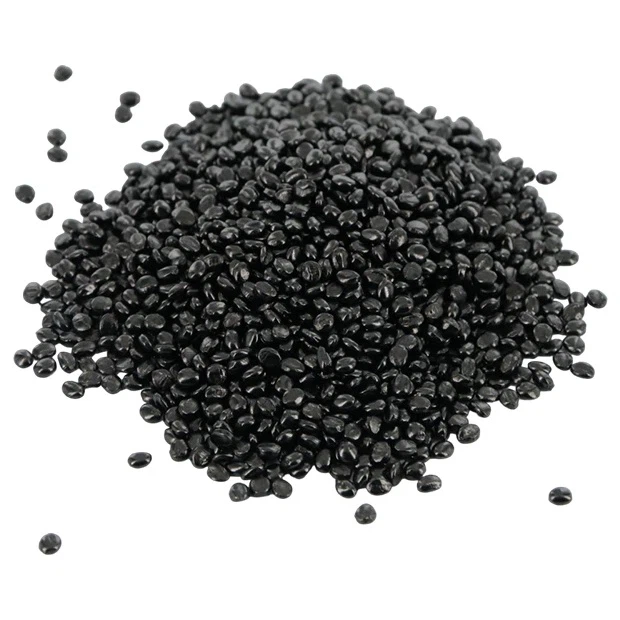
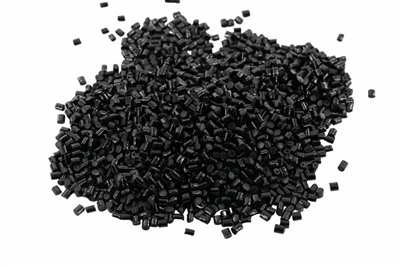

Hey there! As a supplier of PP black masterbatch, I've seen firsthand how crucial it is to choose the right product for your specific needs. In this blog post, I'll share some tips and insights on how to make the best choice when it comes to PP black masterbatch.
Understanding PP Black Masterbatch
First things first, let's talk about what PP black masterbatch is. PP stands for polypropylene, which is a widely used thermoplastic polymer known for its excellent chemical resistance, high melting point, and good mechanical properties. Black masterbatch, on the other hand, is a concentrated mixture of carbon black pigment and a carrier resin. When added to the base polymer (in this case, PP), it imparts a black color to the final product.
PP black masterbatch is used in a variety of applications, including automotive parts, packaging materials, household appliances, and more. It offers several advantages, such as cost - effectiveness, ease of processing, and consistent coloration.
Factors to Consider When Choosing PP Black Masterbatch
1. Color Quality
The most obvious aspect of black masterbatch is its color. You want a deep, rich, and consistent black color. The color should be uniform throughout the final product, without any streaks or color variations. Look for a masterbatch that has been formulated to provide high - intensity black color. Some suppliers offer different grades of black masterbatch, with varying levels of blackness. Make sure to choose one that meets your specific color requirements. For example, if you're making high - end automotive parts, you'll need a masterbatch that can provide a very intense and uniform black color.
2. Dispersion
Good dispersion is crucial for the performance of the masterbatch. When the carbon black particles are well - dispersed in the carrier resin, they can evenly distribute throughout the PP matrix during processing. This ensures that the final product has a consistent color and mechanical properties. Poor dispersion can lead to issues such as black specks, uneven color, and reduced mechanical strength. Ask your supplier about the dispersion quality of their masterbatch. They may be able to provide test results or samples to demonstrate how well the masterbatch disperses in PP.
3. Compatibility
The masterbatch must be compatible with the PP resin you're using. Different types of PP have different molecular structures and properties, and the masterbatch should be formulated to work well with your specific grade of PP. Incompatible masterbatch can cause problems such as poor adhesion, delamination, and reduced physical properties. Your supplier should be able to recommend a masterbatch that is specifically designed for your type of PP. They may also offer compatibility testing services to ensure a good match.
4. UV Resistance
If your final product will be exposed to sunlight or other UV sources, UV resistance is an important factor. Carbon black can provide some level of UV protection, but the level of protection can vary depending on the formulation of the masterbatch. A masterbatch with good UV resistance will prevent the PP from fading, cracking, or becoming brittle over time. This is especially important for outdoor applications, such as garden furniture or automotive exterior parts. Ask your supplier about the UV resistance of their masterbatch and if they have any products specifically designed for UV - exposed applications.
5. Processing Temperature
PP has a specific processing temperature range, and the masterbatch should be able to withstand this temperature without degrading. If the masterbatch degrades during processing, it can release harmful substances, cause color changes, or affect the mechanical properties of the final product. Make sure to choose a masterbatch that is suitable for the processing temperature of your PP resin. Your supplier can provide information on the temperature range at which their masterbatch performs optimally.
6. Cost - Efficiency
Cost is always a consideration when choosing any product. However, it's important not to sacrifice quality for cost. A cheaper masterbatch may seem like a good deal at first, but if it doesn't meet your quality requirements, it can end up costing you more in the long run. Look for a supplier that offers a good balance between cost and quality. You may be able to negotiate the price based on the quantity you're purchasing. Also, consider the overall cost - effectiveness, including factors such as the amount of masterbatch needed to achieve the desired color and the impact on processing efficiency.
Other Types of Black Masterbatch
While we're on the topic of black masterbatch, it's worth mentioning that there are other types available in the market. For example, ABS Black Masterbatch is designed for use with ABS (acrylonitrile butadiene styrene) polymers. ABS has different properties compared to PP, so the masterbatch needs to be formulated accordingly.
Another type is No Carrier Black Masterbatch. As the name suggests, this type of masterbatch doesn't have a carrier resin. It can be useful in some applications where you want to avoid the presence of an additional resin. However, it may require special processing techniques.
PS Black Masterbatch is specifically formulated for use with polystyrene (PS) polymers. PS has its own unique characteristics, and the masterbatch needs to be compatible with it to ensure good performance.
How to Test the Masterbatch
Before making a large - scale purchase, it's a good idea to test the masterbatch. You can ask your supplier for samples and conduct some in - house tests. Here are some simple tests you can do:
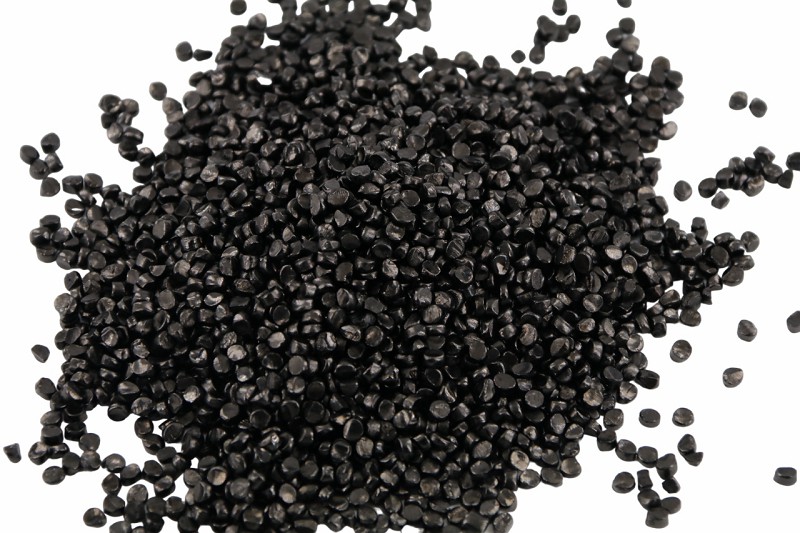
1. Visual Inspection
Examine the masterbatch pellets for any signs of impurities, such as dirt or foreign particles. Also, check the color of the pellets to ensure they are consistent.

2. Processing Test
Process a small batch of PP with the masterbatch and observe the results. Look for any issues such as poor dispersion, color variations, or processing difficulties. Check the mechanical properties of the final product, such as tensile strength and impact resistance.
3. Color Fastness Test
If UV resistance is a concern, expose the final product to UV light for a certain period and check for any color fading or degradation.
Making the Right Choice
Choosing the right PP black masterbatch can be a bit overwhelming, but by considering the factors mentioned above, you can make an informed decision. It's also important to work with a reliable supplier. A good supplier will have the expertise to help you choose the right product, provide technical support, and offer high - quality masterbatch.
If you're in the market for PP black masterbatch and have any questions or need more information, don't hesitate to reach out. We're here to help you find the perfect solution for your needs. Whether you're a small - scale manufacturer or a large - scale industrial player, we can provide the right masterbatch to meet your requirements. Contact us today to start a discussion about your specific needs and how we can assist you in getting the best PP black masterbatch for your products.
References
- "Plastics Additives Handbook" by Hans Zweifel
- "Polymer Processing: Principles and Design" by Z. Tadmor and C. G. Gogos
- Industry reports on masterbatch technology and applications