


Hey there! As a supplier of speciality black masterbatch, I've been getting a lot of questions lately about how our products affect the anti - reflective properties of plastics. So, I thought I'd sit down and write this blog to share some insights on this topic.
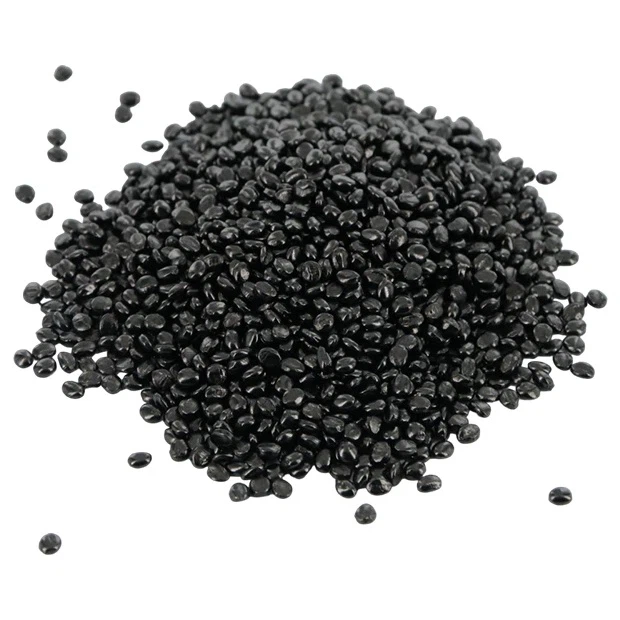
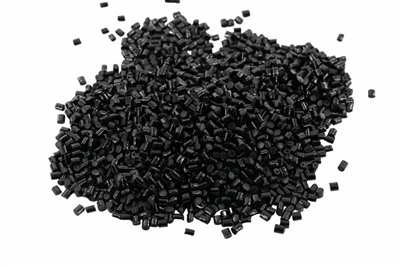
First off, let's talk a bit about what speciality black masterbatch is. It's a highly concentrated mixture of carbon black pigment and a carrier resin. The carbon black is the key ingredient here. It's known for its excellent light - absorbing properties. When we add speciality black masterbatch to plastics, we're essentially infusing the plastic with this powerful light - absorbing material.
Now, onto the anti - reflective properties. In many applications, plastics with anti - reflective properties are highly desirable. For example, in the automotive industry, you don't want a shiny dashboard that reflects sunlight and distracts the driver. Similarly, in electronic devices, anti - reflective plastics can improve the visibility of screens.
So, how does speciality black masterbatch help in achieving these anti - reflective properties? Well, carbon black has a unique structure. It consists of tiny particles that scatter and absorb light. When light hits a plastic containing speciality black masterbatch, instead of bouncing off the surface and creating a reflection, it gets trapped within the carbon black particles. This reduces the amount of light that is reflected back to the observer, thus giving the plastic an anti - reflective appearance.
Let's take a closer look at some of the factors that influence how well speciality black masterbatch enhances the anti - reflective properties of plastics.
Particle Size of Carbon Black
The particle size of the carbon black in the masterbatch plays a crucial role. Smaller particles generally offer better anti - reflective performance. This is because smaller particles can scatter light more effectively. They create a more uniform distribution of light absorption across the surface of the plastic. For instance, if you're using a PC Black Masterbatch in a polycarbonate plastic, a masterbatch with smaller carbon black particles will result in a more anti - reflective finish.
Concentration of Carbon Black
The amount of carbon black in the masterbatch also matters. A higher concentration of carbon black means more light - absorbing material in the plastic. This usually leads to better anti - reflective properties. However, there's a balance to be struck. If you add too much carbon black, it can affect the mechanical properties of the plastic, such as its strength and flexibility. So, it's important to find the optimal concentration for the specific application. For automotive parts, a Black Masterbatch For Automotive with the right carbon black concentration can provide both good anti - reflective properties and the necessary mechanical strength.
Dispersion of Carbon Black
Proper dispersion of the carbon black in the plastic is essential. If the carbon black particles are not evenly distributed, there will be areas on the plastic surface where light reflection is higher. This can result in a patchy or uneven anti - reflective appearance. Our speciality black masterbatches are formulated to ensure excellent dispersion. For example, our No Carrier Black Masterbatch is designed to disperse easily in various plastics, providing a consistent anti - reflective effect.
Compatibility with the Plastic Resin
The speciality black masterbatch needs to be compatible with the plastic resin it's being added to. Different plastics have different chemical properties, and a masterbatch that works well with one type of plastic may not work as effectively with another. We've done extensive research and development to ensure that our masterbatches are compatible with a wide range of plastics, including polypropylene, polyethylene, and polycarbonate. This compatibility ensures that the carbon black can integrate smoothly with the plastic, enhancing its anti - reflective properties.


Surface Finish of the Plastic
The surface finish of the plastic also interacts with the speciality black masterbatch. A smooth surface may allow for a more uniform anti - reflective effect, while a rough surface can create additional light scattering. In some cases, a combination of the right masterbatch and a specific surface treatment can be used to achieve the desired anti - reflective properties. For example, in some high - end electronic devices, a combination of a speciality black masterbatch and a micro - textured surface finish can provide excellent anti - reflective performance.
Applications of Speciality Black Masterbatch for Anti - Reflective Plastics
The applications of plastics with enhanced anti - reflective properties due to speciality black masterbatch are vast.
Automotive Industry
As mentioned earlier, in the automotive industry, anti - reflective plastics are used for dashboards, instrument panels, and interior trims. These parts need to have a non - reflective surface to ensure driver safety and a high - quality appearance. Our Black Masterbatch For Automotive is specifically formulated to meet the strict requirements of the automotive industry, providing both anti - reflective properties and long - term durability.
Electronics Industry
In the electronics industry, anti - reflective plastics are used for device housings, screens, and bezels. They help to reduce glare and improve the visibility of the screen. Our speciality black masterbatches can be used in a variety of electronic plastics, such as ABS and polycarbonate, to enhance their anti - reflective performance.
Optical Industry
In the optical industry, anti - reflective plastics are used for lenses and optical components. Speciality black masterbatch can be used to create plastics with low reflectivity, which is essential for high - quality optical applications.
Conclusion
In conclusion, speciality black masterbatch has a significant impact on the anti - reflective properties of plastics. By carefully considering factors such as particle size, concentration, dispersion, compatibility, and surface finish, we can achieve excellent anti - reflective results in a wide range of plastic applications. Whether you're in the automotive, electronics, or optical industry, our speciality black masterbatches can help you create plastics with the desired anti - reflective properties.
If you're interested in learning more about our speciality black masterbatches or would like to discuss your specific requirements for anti - reflective plastics, don't hesitate to reach out. We're here to help you find the perfect solution for your needs.
References
- "Carbon Black: Science and Technology" by Donnet, B.C., Bansal, R.C., and Wang, M.J.
- "Plastics Additives Handbook" by Zweifel, H., Schiller, M., and Salzer, M.