

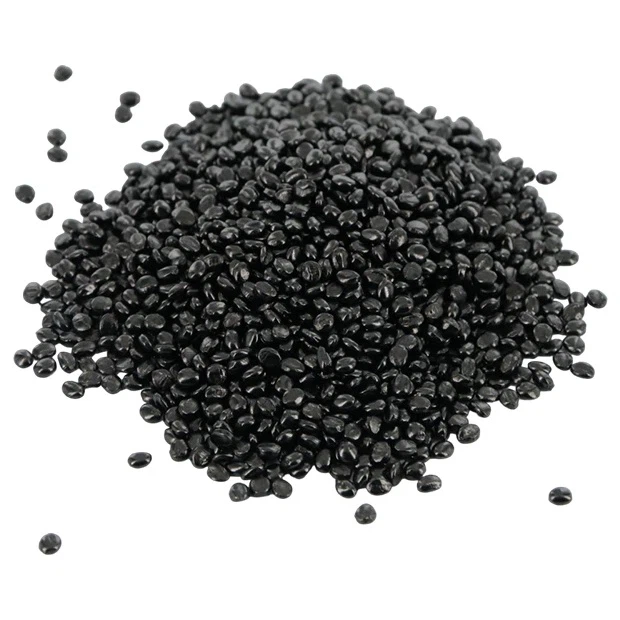
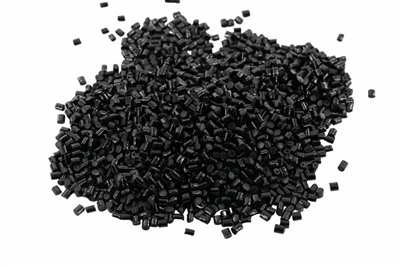

Quality control standards for black masterbatch for granulation are crucial for ensuring the consistent quality and performance of the final plastic products. As a supplier of black masterbatch for granulation, we understand the significance of adhering to strict quality control measures to meet the diverse needs of our customers. In this blog, we will delve into the key quality control standards that we follow to deliver high - quality black masterbatch.
1. Raw Material Selection
The quality of black masterbatch starts with the selection of raw materials. We source high - purity carbon black, which is the primary pigment in black masterbatch. Carbon black should have a consistent particle size distribution, high tinting strength, and good dispersion properties. For example, carbon black with a smaller and more uniform particle size will result in better dispersion in the plastic matrix, leading to a more homogeneous black color in the final product.
We also carefully choose the carrier resin. The carrier resin should be compatible with the base polymer of the customer's end - use application. It should have good melt flow properties to ensure easy mixing with the base polymer during the granulation process. Additionally, the carrier resin should be of high purity to avoid any contamination that could affect the quality of the masterbatch.
2. Carbon Black Content and Dispersion
Accurate control of carbon black content is essential. We use advanced analytical techniques to measure and ensure that the carbon black content in our black masterbatch meets the specified requirements. Deviations in carbon black content can lead to variations in color intensity, UV resistance, and mechanical properties of the final plastic products.
The dispersion of carbon black in the carrier resin is another critical factor. Poor dispersion can result in visible specks or streaks in the final product, which is unacceptable in most applications. To ensure good dispersion, we use high - shear mixing equipment during the production process. We also conduct regular dispersion tests, such as the Hegman grind gauge test, to evaluate the degree of dispersion. A high Hegman value indicates better dispersion of carbon black particles in the masterbatch.
3. Color Consistency
Color consistency is a top priority for our customers. We have a well - established color matching system in place. Our color experts use spectrophotometers to measure and analyze the color of the black masterbatch. We compare the color data with the customer's color standards to ensure that the masterbatch meets the required color specifications.
To maintain color consistency over time, we implement strict process control measures. We monitor and control factors such as temperature, mixing speed, and raw material quality during the production process. Any changes in these factors can potentially affect the color of the masterbatch. By keeping these variables under control, we can produce black masterbatch with consistent color from batch to batch.
4. Physical and Mechanical Properties
The physical and mechanical properties of black masterbatch are also important quality control aspects. The masterbatch should have appropriate melt flow index (MFI). A proper MFI ensures that the masterbatch can be easily processed during the granulation and subsequent plastic manufacturing processes. If the MFI is too high, the masterbatch may flow too easily, leading to issues such as excessive dripping during processing. On the other hand, if the MFI is too low, it may be difficult to mix the masterbatch with the base polymer.
We also test the tensile strength, elongation at break, and other mechanical properties of the masterbatch. These properties can affect the performance of the final plastic products. For example, in applications where the plastic product needs to withstand certain stresses, the masterbatch should not compromise the mechanical integrity of the base polymer.
5. Thermal Stability
Black masterbatch should have good thermal stability. During the granulation and subsequent processing of plastic products, the masterbatch is exposed to high temperatures. If the masterbatch is not thermally stable, it may decompose, leading to the formation of volatile compounds, discoloration, or degradation of the final product.
We conduct thermal stability tests using techniques such as thermogravimetric analysis (TGA). TGA measures the weight loss of the masterbatch as a function of temperature. By analyzing the TGA results, we can determine the temperature range within which the masterbatch is thermally stable. We ensure that our black masterbatch can withstand the processing temperatures of common plastic manufacturing processes without significant degradation.
6. Environmental and Safety Compliance
In today's market, environmental and safety compliance is of utmost importance. Our black masterbatch complies with relevant environmental regulations, such as REACH (Registration, Evaluation, Authorization and Restriction of Chemicals) in the European Union. We ensure that the raw materials used in our masterbatch do not contain any restricted substances.
We also pay attention to food - contact safety. Our Food Contact Black Masterbatch is formulated to meet the strict requirements for food - contact applications. It is free from harmful substances that could migrate into food products, ensuring the safety of consumers.
7. Application - Specific Requirements
Different applications have different requirements for black masterbatch. For example, Black Masterbatch for Strech Film needs to have excellent flexibility and stretchability to be suitable for use in stretch film applications. The masterbatch should not affect the clarity and mechanical properties of the stretch film.
Similarly, Black Masterbatch for Agriculture Film should have good UV resistance to protect the agricultural film from degradation caused by sunlight. We customize our black masterbatch according to the specific requirements of each application, ensuring that it performs optimally in the end - use product.


Contact for Purchase and Negotiation
If you are interested in our high - quality black masterbatch for granulation, we invite you to contact us for further discussion. Our team of experts is ready to provide you with detailed product information, samples, and competitive pricing. We are committed to meeting your specific needs and ensuring your satisfaction with our products.
References
- ASTM International. (20XX). Standard test methods for plastic materials.
- ISO Standards. (20XX). International standards for quality control in plastic manufacturing.
- Polymer Processing Society. (20XX). Proceedings on masterbatch technology and quality control.