

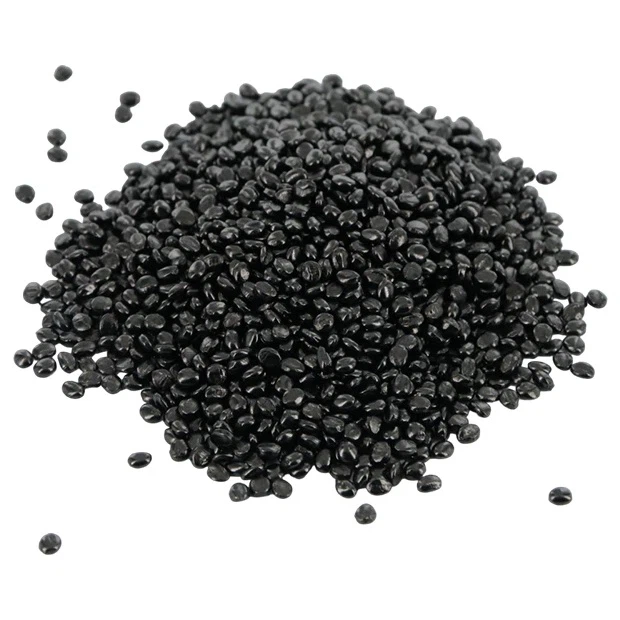
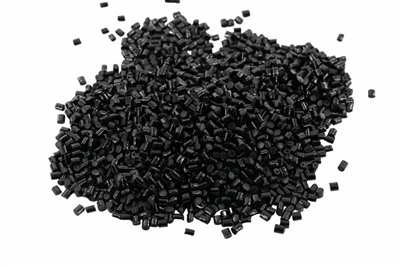

Hey there! As a supplier of black masterbatch for filament, I often get asked about color fastness. It's a super important topic, especially when you're looking for high - quality black masterbatch for your filament production. So, let's dig into what color fastness of black masterbatch for filament really means.


What is Color Fastness?
First things first, color fastness refers to the ability of a colorant, in this case, the black masterbatch in our filament, to retain its original color under various conditions. When we talk about black masterbatch for filament, we want it to stay black and not fade, bleed, or change in any way during the filament's lifespan.
There are several factors that can affect the color fastness of black masterbatch for filament. These include exposure to light, heat, chemicals, and mechanical stress. Let's break them down one by one.
Light Exposure
Sunlight, especially ultraviolet (UV) rays, can be a real enemy of color fastness. When the filament with black masterbatch is exposed to sunlight for extended periods, the UV rays can break down the chemical bonds in the black pigment. This leads to a process called photodegradation, which causes the color to fade over time.
As a supplier, we're constantly working on formulating black masterbatches that are highly resistant to UV light. We use special UV stabilizers in our masterbatch recipes. These stabilizers act like little shields, absorbing the UV rays and preventing them from reaching and damaging the black pigment.
Heat
High temperatures can also have a negative impact on color fastness. During the manufacturing process of the filament, it goes through extrusion at high temperatures. If the black masterbatch isn't heat - stable, the heat can cause the pigment to decompose or change its chemical structure.
We've developed heat - resistant black masterbatches that can withstand the high temperatures of filament extrusion without losing their color. Our R & D team tests the masterbatches at different temperature ranges to ensure they maintain their integrity and color.
Chemicals
Filaments might come into contact with various chemicals during their use. For example, if the filament is used in an industrial setting, it could be exposed to solvents, acids, or alkalis. These chemicals can react with the black pigment in the masterbatch, causing it to change color or dissolve.
To combat this, we formulate our black masterbatches to be chemically resistant. We test them against a wide range of common chemicals to make sure they don't react and that the color remains stable.
Mechanical Stress
Mechanical stress, like friction and abrasion, can also affect color fastness. When the filament is being printed or used in a moving part, it can experience rubbing against other surfaces. This friction can wear off the outer layer of the filament, exposing the inner layers and potentially causing the color to change.
Our black masterbatches are designed to be durable and resistant to mechanical stress. We use high - quality binders and additives that help the pigment adhere firmly to the polymer matrix of the filament, reducing the chances of color loss due to friction.
Testing Color Fastness
At our company, we take color fastness testing very seriously. We use a variety of standard tests to evaluate the performance of our black masterbatch for filament.
One common test is the lightfastness test. We expose samples of the filament with our black masterbatch to artificial sunlight in a weathering chamber. The chamber simulates different sunlight intensities and durations. After a set period, we compare the color of the exposed samples with unexposed ones using a colorimeter. This gives us a quantitative measure of how much the color has faded.
For heat resistance testing, we subject the filament samples to high temperatures in an oven for a specific time. We then check for any color changes, such as darkening or lightening.
Chemical resistance testing involves immersing the filament samples in different chemical solutions for a certain period. After that, we rinse them and observe any color changes.
We also conduct abrasion tests. We rub the filament against a standard abrasive material with a set amount of pressure for a specific number of cycles. Then we assess the color change on the rubbed area.
Our Product Range and Color Fastness
We offer a wide range of black masterbatches for filament, each tailored to different applications. For example, our Black Masterbatch for Blown Bottle is designed to have excellent color fastness even when the bottle is exposed to sunlight and different environmental conditions. The masterbatch used in these products has been specifically formulated to resist UV light and chemical exposure.
Our Black Masterbatch for Water Pipe is formulated to be heat - resistant and chemically stable. Since water pipes can be exposed to hot water and various chemicals in the water supply, the color fastness of the black masterbatch is crucial to maintain the appearance and quality of the pipes.
The Black Masterbatch for Sheet we provide is also known for its high color fastness. Sheets made with our masterbatch can be used in a variety of applications, from packaging to construction. They need to look good and maintain their color over time, and our masterbatch ensures just that.
Why Choose Our Black Masterbatch?
There are several reasons why you should choose our black masterbatch for your filament production. First and foremost, our commitment to color fastness is unwavering. We invest a lot in research and development to constantly improve the color - retaining properties of our masterbatches.
Secondly, we offer high - quality products at competitive prices. We understand the importance of cost - effectiveness in your business, and we strive to provide the best value for your money.
We also have excellent customer service. Our team is always ready to answer your questions, provide technical support, and help you choose the right black masterbatch for your specific needs.
Let's Work Together
If you're in the market for high - quality black masterbatch for filament with outstanding color fastness, we'd love to hear from you. Whether you're a small - scale filament producer or a large industrial manufacturer, we have the right solution for you.
Contact us today to discuss your requirements and start a partnership that will take your filament production to the next level.
References
- ASTM International. Standard test methods for color fastness.
- ISO standards related to color fastness testing of plastics.
- Research papers on polymer coloration and color fastness from leading scientific journals.