

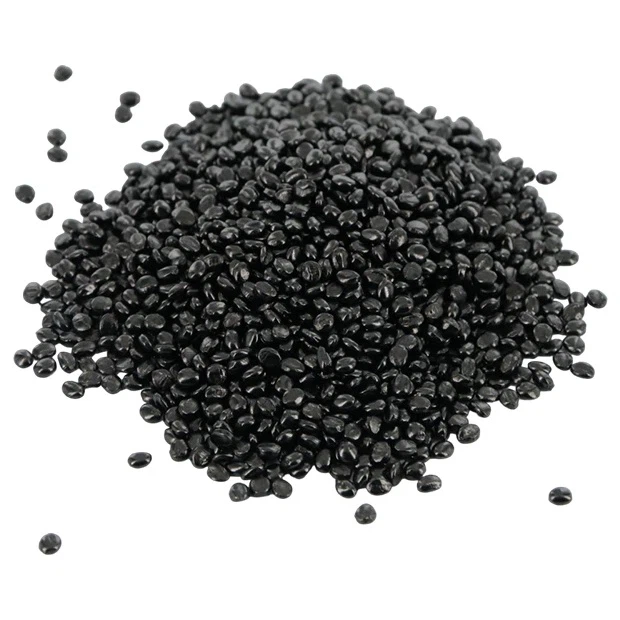
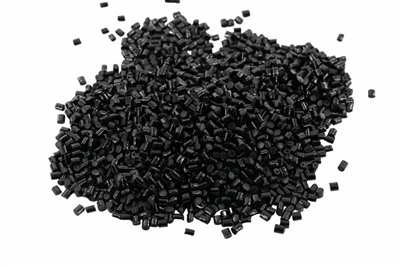

What is the composition of PS black masterbatch?


As a seasoned supplier of PS black masterbatch, I'm often asked about its composition. PS black masterbatch is a crucial additive in the plastics industry, especially for polystyrene (PS) products. It imparts a deep, rich black color and offers several other beneficial properties. In this blog, I'll delve into the key components that make up PS black masterbatch and their functions.
1. Carbon Black
Carbon black is the primary colorant in PS black masterbatch. It is a fine, powdery substance produced by the incomplete combustion or thermal decomposition of hydrocarbons. There are different types of carbon black, and the choice depends on the desired properties of the final product.
- High - Color - Intensity Carbon Black: This type of carbon black is used when a very deep and intense black color is required. It has a high surface area, which allows it to absorb and scatter light effectively, resulting in a rich black appearance. For example, in high - end consumer electronics casings made of PS, high - color - intensity carbon black is often used to give a sleek and premium look.
- Conductive Carbon Black: In some applications, such as anti - static packaging or electronic components, conductive carbon black is incorporated into the PS black masterbatch. It can provide electrical conductivity to the PS product, preventing the build - up of static electricity. This is crucial in industries where static electricity can damage sensitive electronic devices.
2. Carrier Resin
The carrier resin is another essential component of PS black masterbatch. It serves as a medium to disperse the carbon black evenly throughout the PS matrix during the processing of the final product.
- Polystyrene (PS) Carrier: Since PS black masterbatch is designed for use with polystyrene, using PS as the carrier resin is a common choice. It has excellent compatibility with the base PS resin, ensuring a homogeneous dispersion of the carbon black. This results in a consistent color and physical properties across the entire PS product. For instance, when manufacturing PS disposable cutlery, a PS - based carrier resin in the black masterbatch ensures that the color is evenly distributed, giving a professional and aesthetically pleasing appearance.
- Modified Carrier Resins: In some cases, modified carrier resins may be used to enhance specific properties. For example, a carrier resin with improved heat resistance can be used in applications where the PS product will be exposed to high temperatures during processing or use. This can prevent the degradation of the color and the physical properties of the PS product.
3. Dispersing Agents
Dispersing agents play a vital role in ensuring the proper dispersion of carbon black in the carrier resin. They reduce the surface tension between the carbon black particles and the carrier resin, preventing the agglomeration of carbon black.
- Surfactants: Surfactants are commonly used as dispersing agents in PS black masterbatch. They have a hydrophilic and a hydrophobic part, which allows them to interact with both the polar carbon black surface and the non - polar carrier resin. This helps to break up the carbon black aggregates and disperse them uniformly in the carrier resin. For example, in the production of PS sheets, surfactants in the black masterbatch ensure that the carbon black is evenly spread, resulting in a smooth and consistent color on the surface of the sheet.
- Polymeric Dispersants: Polymeric dispersants are also used, especially when a more stable dispersion is required. They can form a protective layer around the carbon black particles, preventing them from re - agglomerating during storage and processing. This is particularly important in large - scale manufacturing processes where the masterbatch may be stored for some time before use.
4. Additives
In addition to the main components mentioned above, various additives may be included in PS black masterbatch to enhance specific properties of the final PS product.
- UV Stabilizers: When PS products are exposed to sunlight or other sources of ultraviolet (UV) radiation, they can undergo degradation, resulting in color fading and a reduction in mechanical properties. UV stabilizers are added to the PS black masterbatch to protect the PS product from the harmful effects of UV radiation. This is crucial in outdoor applications such as PS signage or garden furniture.
- Antioxidants: Oxidation can also cause the degradation of PS products over time. Antioxidants are added to the masterbatch to prevent the oxidation of the PS resin and the carbon black. They can extend the service life of the PS product, especially in applications where the product is exposed to oxygen and high temperatures, such as in automotive under - the - hood components.
Applications of PS Black Masterbatch
PS black masterbatch has a wide range of applications in different industries:
- Packaging Industry: In the packaging industry, PS black masterbatch is used to color PS packaging materials such as trays, containers, and blister packs. The deep black color can give the packaging a premium and sophisticated look, making the product more attractive to consumers. For example, high - end cosmetic packaging often uses PS black masterbatch to create a luxurious appearance.
- Consumer Goods: Many consumer goods made of PS, such as toys, household items, and stationery, are colored using PS black masterbatch. It can provide a durable and aesthetically pleasing color that can withstand the rigors of daily use. For instance, black PS toys are popular among children, and the use of high - quality black masterbatch ensures that the color does not fade easily.
- Automotive Industry: Although the automotive industry mainly uses Black Masterbatch for Automotive, PS black masterbatch can also be used in some interior components. For example, small PS parts in the dashboard or door panels can be colored using PS black masterbatch to match the overall interior design of the vehicle.
Comparison with Other Black Masterbatches
It's worth comparing PS black masterbatch with other types of black masterbatches, such as PC Black Masterbatch and No Carrier Black Masterbatch.
- PC Black Masterbatch: PC black masterbatch is designed for use with polycarbonate (PC) resins. While both PS and PC are plastics, they have different chemical and physical properties. PC black masterbatch uses a carrier resin that is compatible with PC, and the formulation is optimized for the processing conditions and performance requirements of PC products. In contrast, PS black masterbatch is tailored for polystyrene, with a focus on its compatibility with PS and the specific properties required for PS applications.
- No Carrier Black Masterbatch: No carrier black masterbatch is a concentrated form of carbon black without a carrier resin. It is typically used in applications where the user wants to have more control over the carrier resin selection or when a very high - loading of carbon black is required. PS black masterbatch, on the other hand, comes with a pre - selected carrier resin, which simplifies the processing and ensures better dispersion of the carbon black in the PS product.
Conclusion
The composition of PS black masterbatch is a carefully formulated combination of carbon black, carrier resin, dispersing agents, and various additives. Each component plays a crucial role in determining the color, performance, and functionality of the final PS product. As a supplier of PS black masterbatch, we are committed to providing high - quality products that meet the diverse needs of our customers.
If you are interested in purchasing PS black masterbatch for your specific application, we would be delighted to discuss your requirements. Our team of experts can provide you with detailed information about our products, including their composition, performance, and application guidelines. Contact us today to start a fruitful business relationship.
References
- "Plastics Additives Handbook" by Hans Zweifel
- "Carbon Black: Science and Technology" by Donnet, B.C., Bansal, R.C., and Wang, M.J.