


What is the glossiness of stretch film with black masterbatch?
As a supplier of black masterbatch for stretch film, I often encounter questions from customers regarding the glossiness of stretch film when black masterbatch is incorporated. In this blog, I will delve into the concept of glossiness in stretch films with black masterbatch, the factors influencing it, and its significance in various applications.
Understanding Glossiness in Stretch Films
Glossiness is a surface property that describes the amount of specular reflection of light from a surface. In the context of stretch films, it refers to how shiny or lustrous the film appears. A high - gloss stretch film will reflect light more specularly, giving it a shiny, almost mirror - like appearance, while a low - gloss film will scatter light more diffusely, resulting in a more matte finish.
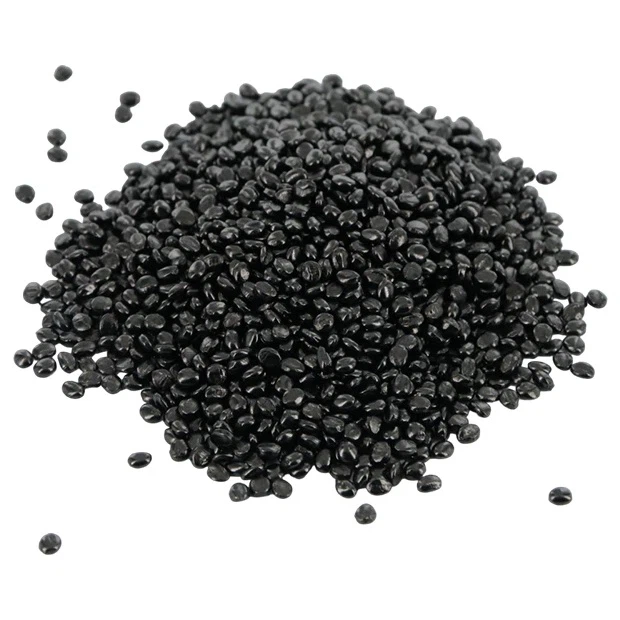
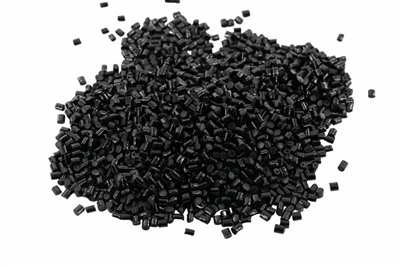
When black masterbatch is added to stretch film, it can have a significant impact on the film's glossiness. Black masterbatch is a concentrated mixture of carbon black pigment and a carrier resin. The carbon black particles in the masterbatch interact with light in different ways, depending on their size, dispersion, and concentration.
Factors Influencing the Glossiness of Stretch Film with Black Masterbatch
1. Carbon Black Particle Size
The size of carbon black particles plays a crucial role in determining the glossiness of the stretch film. Smaller carbon black particles tend to provide a higher gloss finish. This is because smaller particles are more likely to be evenly dispersed in the resin matrix, allowing for a smoother surface and more specular reflection of light. On the other hand, larger carbon black particles can cause surface irregularities, leading to more diffuse light scattering and a lower gloss appearance.
2. Dispersion Quality
The quality of carbon black dispersion in the stretch film is another important factor. A well - dispersed black masterbatch will result in a more uniform distribution of carbon black particles in the film. This uniformity promotes a smooth surface and enhances the glossiness of the film. Poor dispersion, however, can lead to agglomeration of carbon black particles, creating rough spots on the film surface and reducing the gloss.


3. Concentration of Black Masterbatch
The amount of black masterbatch added to the stretch film also affects its glossiness. Generally, as the concentration of black masterbatch increases, the glossiness of the film decreases. This is because a higher concentration of carbon black means more light is absorbed and scattered by the pigment particles, reducing the amount of specular reflection. However, the relationship between concentration and glossiness is not always linear, and it can be influenced by other factors such as particle size and dispersion.
4. Resin Type
The type of resin used in the stretch film can also impact the glossiness. Different resins have different surface properties and refractive indices, which affect how light interacts with the film. For example, some resins may have a naturally higher gloss, while others may be more prone to a matte finish. When combined with black masterbatch, the resin's inherent properties can either enhance or detract from the overall glossiness of the film.
Significance of Glossiness in Different Applications
1. Packaging Industry
In the packaging industry, the glossiness of stretch film can have a significant impact on the visual appeal of the packaged product. High - gloss stretch films are often preferred for products that require a premium or luxurious look, such as high - end consumer goods or electronics. The shiny surface can attract consumers' attention and make the product more visually appealing on the shelves. On the other hand, low - gloss or matte stretch films may be used for products where a more subdued or professional appearance is desired, such as industrial goods or products with a minimalist design.
2. Industrial Applications
In industrial applications, the glossiness of stretch film may not be as crucial for visual appeal but can still have practical implications. For example, in some manufacturing processes, a low - gloss stretch film may be preferred to reduce glare and improve visibility during handling and inspection. Additionally, the surface properties associated with different gloss levels can affect the film's slip and adhesion characteristics, which are important for proper wrapping and securing of goods.
Our Black Masterbatch Offerings
At our company, we understand the importance of glossiness in stretch films and offer a range of black masterbatch products tailored to meet different customer requirements. Our black masterbatch is formulated with high - quality carbon black and carefully selected carrier resins to ensure excellent dispersion and consistent performance.
We offer Black Masterbatch for Shopping Bag, which is designed to provide the right balance of glossiness and strength for shopping bag applications. Our Black Masterbatch for Wire and Cable is optimized to meet the specific requirements of the wire and cable industry, including the desired gloss level and UV protection. And our Black Masterbatch for Filament is suitable for filament production, offering consistent gloss and mechanical properties.
Contact Us for Procurement
If you are interested in learning more about our black masterbatch products for stretch film or have specific requirements regarding glossiness, we encourage you to contact us for procurement discussions. Our team of experts is ready to assist you in selecting the right product for your application and providing technical support.
References
- "Plastics Additives Handbook" by Hans Zweifel.
- "Carbon Black: Science and Technology" by Donnet, Boudouard, and Wang.