


As a trusted supplier of black masterbatch for the automotive industry, I've witnessed firsthand the transformative impact that our products can have on automotive parts. In this blog, I'll delve into the concept of impact strength in automotive parts and explore how the addition of black masterbatch can influence this crucial property.
Understanding Impact Strength in Automotive Parts
Impact strength is a fundamental mechanical property that measures a material's ability to resist fracture when subjected to sudden, high - energy impacts. In the automotive context, this is of utmost importance. Automotive parts are constantly exposed to various impact scenarios, such as collisions, road debris strikes, and vibrations. A part with high impact strength is more likely to withstand these forces without breaking, ensuring the safety and durability of the vehicle.
There are several factors that can affect the impact strength of automotive parts. The base polymer used in the part is a primary determinant. For example, polymers like polypropylene (PP) and polystyrene (PS) have different inherent impact - resistant characteristics. Additionally, the manufacturing process, including injection molding parameters and cooling rates, can influence how the material behaves under impact.
Role of Black Masterbatch in Automotive Parts
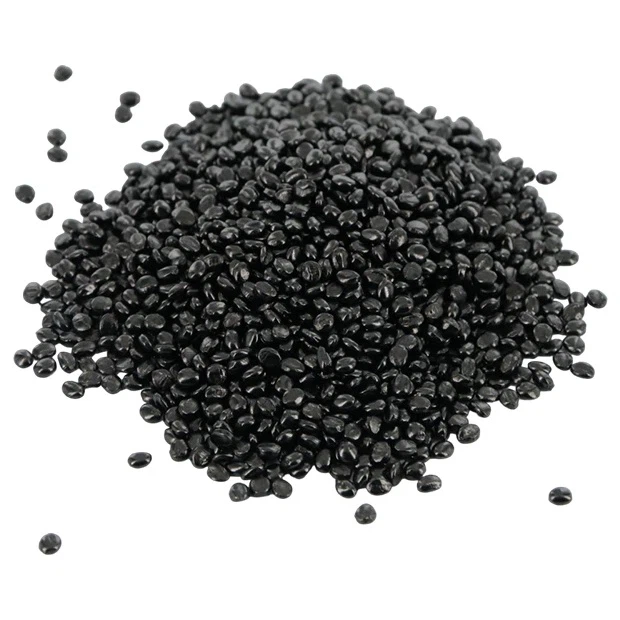
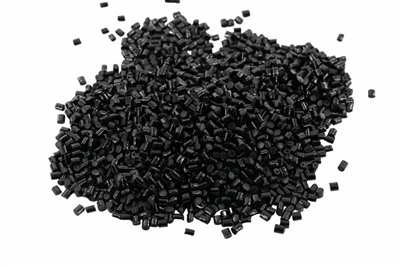
Black masterbatch is a concentrated mixture of carbon black pigment and a carrier resin. It is used in the automotive industry primarily for coloring parts black, which is a popular aesthetic choice. However, its influence extends far beyond just appearance.
One of the key benefits of using black masterbatch is its ability to enhance the overall performance of the base polymer. Carbon black, the main component of black masterbatch, has unique physical and chemical properties. It can act as a reinforcing agent, improving the mechanical properties of the polymer matrix.
When black masterbatch is added to automotive parts, it can modify the internal structure of the polymer. The carbon black particles can disrupt the propagation of cracks within the material. When an impact occurs, instead of the crack spreading rapidly and causing the part to break, the carbon black particles act as barriers, absorbing and dissipating the energy from the impact. This results in an increase in the part's resistance to fracture, thereby enhancing its impact strength.
Impact of Black Masterbatch on Different Automotive Polymers
PS Black Masterbatch
Polystyrene (PS) is a widely used polymer in the automotive industry for interior parts such as dashboard components and trim pieces. PS Black Masterbatch can significantly improve the impact strength of PS parts.
PS is a relatively brittle polymer, and it is prone to cracking under impact. However, when PS black masterbatch is incorporated, the carbon black particles disperse throughout the PS matrix. These particles create a network that helps to distribute the impact energy more evenly. As a result, the PS parts become more resistant to sudden impacts, reducing the likelihood of breakage and increasing their service life.
PP Black Masterbatch
Polypropylene (PP) is another common polymer in automotive applications, used for everything from bumpers to interior panels. PP Black Masterbatch can have a profound effect on the impact strength of PP parts.
PP has good chemical resistance and is lightweight, but its impact strength can be improved. The addition of black masterbatch to PP modifies its crystalline structure. The carbon black particles act as nucleating agents, promoting the formation of smaller and more uniform crystals in the PP matrix. This refined crystalline structure enhances the material's toughness and impact resistance. When an impact occurs, the well - distributed carbon black particles help to prevent the growth of cracks, allowing the PP part to absorb more energy before failing.


Case Studies: Real - World Impact of Black Masterbatch on Automotive Parts
Let's look at some real - world examples to understand the practical implications of using black masterbatch for improving impact strength.
In a study conducted on automotive interior trim parts made of PS, two sets of samples were prepared. One set was made without black masterbatch, and the other set had a specific amount of PS black masterbatch added. The samples were then subjected to impact tests using a standardized impact testing machine. The results showed that the parts with black masterbatch had a significantly higher impact strength. They were able to withstand more severe impacts without cracking or breaking compared to the parts without black masterbatch.
Similarly, for automotive bumpers made of PP, the addition of PP black masterbatch led to improved performance. In field tests, vehicles with bumpers containing black masterbatch showed less damage after minor collisions. The bumpers were able to absorb and dissipate the impact energy more effectively, reducing the need for costly repairs.
Quality and Consistency of Black Masterbatch for Automotive Applications
As a supplier of Black Masterbatch For Automotive, I understand the critical importance of quality and consistency. Automotive manufacturers require parts that meet strict quality standards, and the black masterbatch used in these parts must be reliable.
We use high - quality carbon black and carefully selected carrier resins to ensure that our black masterbatch provides consistent performance. Our manufacturing process is highly controlled, with strict quality control measures at every stage. This ensures that each batch of black masterbatch has the same properties, including the ability to enhance the impact strength of automotive parts.
Factors to Consider When Using Black Masterbatch for Impact Strength
When using black masterbatch to improve the impact strength of automotive parts, several factors need to be considered.
The concentration of black masterbatch is crucial. Adding too little may not provide the desired improvement in impact strength, while adding too much can lead to other issues such as reduced flowability during the manufacturing process and potential degradation of other mechanical properties. It is essential to determine the optimal concentration based on the specific requirements of the part and the base polymer.
The compatibility between the black masterbatch and the base polymer is also important. The carrier resin in the black masterbatch should be compatible with the polymer used in the automotive part. If there is poor compatibility, it can lead to phase separation within the material, which can actually reduce the impact strength and other mechanical properties.
Conclusion
In conclusion, the addition of black masterbatch to automotive parts can have a significant positive impact on their impact strength. By acting as a reinforcing agent and modifying the internal structure of the polymer matrix, black masterbatch helps to improve the part's ability to resist fracture under impact.
Whether it's PS Black Masterbatch for polystyrene parts or PP Black Masterbatch for polypropylene components, the benefits are clear. Our high - quality Black Masterbatch For Automotive is designed to meet the strict requirements of the automotive industry, providing both aesthetic appeal and enhanced performance.
If you are an automotive manufacturer or supplier looking to improve the impact strength of your parts, I encourage you to reach out to us. We can provide you with detailed information about our products and work with you to find the best solution for your specific needs.
References
- "Polymer Science and Technology" by Charles A. Daniels
- "Automotive Materials: Selection, Properties, and Applications" by J. Douglas Adamson
- Research papers on the mechanical properties of polymers with carbon black additives from various scientific journals.