

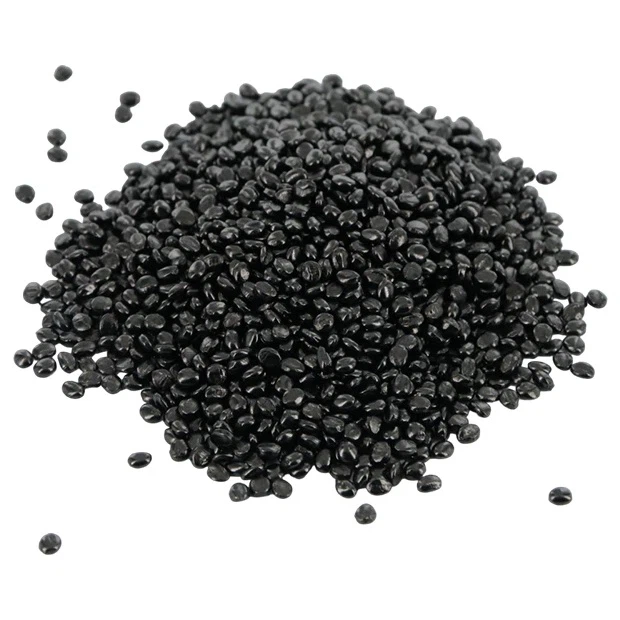
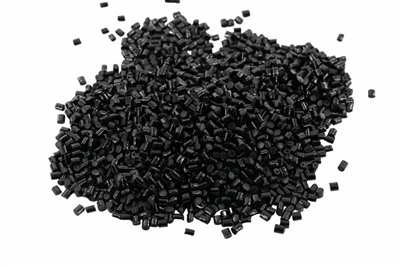

As a supplier of black masterbatch for sheets, one question that frequently arises from our clients is whether the black masterbatch for sheets can be recycled. This is a crucial topic, not only from an environmental perspective but also from an economic one. In this blog post, I'll delve into the science behind the recyclability of black masterbatch for sheets, discuss the factors influencing it, and share some insights based on our experience in the industry.
Understanding Black Masterbatch for Sheets
Before we explore the recyclability, let's briefly understand what black masterbatch for sheets is. Black masterbatch is a concentrated mixture of carbon black pigment and a carrier resin. When added to the base polymer during the sheet manufacturing process, it imparts a deep black color to the sheets. These sheets are used in a wide range of applications, from packaging materials to construction components.
The carbon black used in black masterbatch provides excellent UV resistance, which is beneficial for outdoor applications. The carrier resin, on the other hand, must be compatible with the base polymer to ensure uniform dispersion and good physical properties of the final product.
The Recyclability of Black Masterbatch for Sheets
The short answer to whether black masterbatch for sheets can be recycled is yes, but it's not without challenges. The recyclability depends on several factors, including the type of carrier resin, the quality of the carbon black, and the recycling process itself.
Type of Carrier Resin
The carrier resin plays a significant role in the recyclability of black masterbatch. Most commonly, carrier resins such as polyethylene (PE), polypropylene (PP), and polystyrene (PS) are used. These resins are thermoplastics, which means they can be melted and reprocessed multiple times. However, the recycling process can degrade the polymer chains, leading to a reduction in the mechanical properties of the recycled material.
For example, if the carrier resin is high - density polyethylene (HDPE), it can be recycled relatively easily. HDPE has a high melting point and good chemical resistance, making it suitable for a variety of recycling processes. On the other hand, some specialty carrier resins may be more difficult to recycle due to their unique chemical structures or the presence of additives.
Quality of Carbon Black
The quality of carbon black also affects recyclability. High - quality carbon black with a uniform particle size and good dispersion properties is more likely to be compatible with the recycling process. Poor - quality carbon black may contain impurities or have a non - uniform particle size, which can cause problems during recycling. For instance, large carbon black particles can act as stress concentrators in the recycled material, reducing its strength and toughness.
Recycling Process
The recycling process itself is a critical factor. There are different types of recycling methods, including mechanical recycling, chemical recycling, and energy recovery.
Mechanical recycling is the most common method for recycling plastics. It involves shredding the plastic waste, melting it, and then re - extruding it into new products. However, during mechanical recycling, the presence of black masterbatch can pose challenges. The carbon black can absorb a significant amount of heat during the melting process, leading to overheating and degradation of the polymer. Additionally, the black color can make it difficult to sort the recycled plastic by color, which is often required for high - quality recycling.
Chemical recycling, on the other hand, involves breaking down the polymer chains into their monomers, which can then be used to produce new polymers. This method is more complex and expensive than mechanical recycling but can potentially overcome some of the challenges associated with black masterbatch. Energy recovery is another option, where the plastic waste is burned to generate energy. While this is a form of recycling in the sense that it recovers energy, it does not produce new plastic materials.
Our Experience as a Supplier
As a supplier of black masterbatch for sheets, we have been working closely with our clients to address the recyclability issue. We offer a range of black masterbatches with different carrier resins and carbon black qualities to meet the specific recycling requirements of our customers.
We have also been investing in research and development to improve the recyclability of our products. For example, we are working on developing black masterbatches with better heat - resistant carbon black and more compatible carrier resins. By doing so, we aim to reduce the negative impact of black masterbatch on the recycling process and increase the quality of the recycled products.


Applications and the Impact on Recycling
The applications of black masterbatch for sheets also have an impact on their recyclability. For example, black masterbatch used in packaging materials such as Black Masterbatch for Shopping Bag is more likely to be recycled compared to those used in construction components. Packaging materials are usually collected and recycled on a large scale, while construction components may be more difficult to recycle due to their size, complexity, and the presence of other materials.
Similarly, Black Masterbatch for Film Blown used in thin films has different recycling requirements compared to Black Masterbatch for PP Tableware. Thin films are more prone to damage during the recycling process, and the presence of black masterbatch can further complicate the recycling.
The Future of Recycling Black Masterbatch for Sheets
The future of recycling black masterbatch for sheets looks promising. With the increasing awareness of environmental issues and the growing demand for sustainable products, there is a strong incentive for the industry to improve the recyclability of black masterbatch.
New technologies are being developed to overcome the challenges associated with recycling black masterbatch. For example, advanced sorting technologies can help separate black plastic waste more efficiently, and new chemical recycling processes are being explored to break down the polymer chains more effectively.
Conclusion and Call to Action
In conclusion, while black masterbatch for sheets can be recycled, there are challenges that need to be addressed. As a supplier, we are committed to providing high - quality black masterbatch products that are more recyclable. We believe that by working together with our customers, we can make a significant contribution to the sustainable development of the plastics industry.
If you are interested in purchasing black masterbatch for sheets or have any questions about their recyclability, please feel free to contact us. We are more than happy to discuss your specific requirements and provide you with the best solutions. Let's work together to create a more sustainable future for the plastics industry.
References
- Plastics Recycling Handbook, edited by Andrew T. Andrews
- Journal of Plastic Recycling, various issues
- Research papers on carbon black and polymer recycling from academic databases