


The global plastics industry has witnessed exponential growth over the past few decades, driven by the versatility, durability, and cost - effectiveness of plastics. However, the environmental impact of non - biodegradable plastics has become a pressing concern. Biodegradable plastics offer a potential solution, but their performance can be influenced by various additives, including speciality black masterbatch. As a leading supplier of speciality black masterbatch, I am excited to explore the effects of our products on the biodegradability of plastics.


Understanding Speciality Black Masterbatch
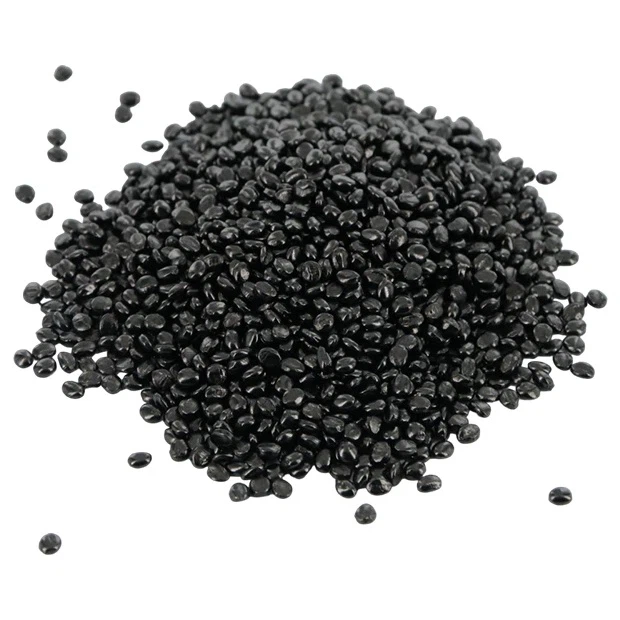
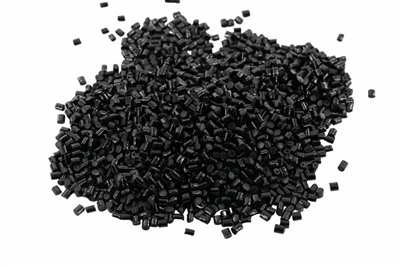
Speciality black masterbatch is a concentrated mixture of carbon black pigment and a carrier resin. It is used to impart black color to plastics and also offers additional benefits such as UV protection and improved mechanical properties. Our company offers a range of speciality black masterbatches, including PA Black Masterbatch, No Carrier Black Masterbatch, and PS Black Masterbatch. Each type is formulated to meet specific requirements in different plastic applications.
Factors Affecting Biodegradability of Plastics
Before delving into the effects of speciality black masterbatch, it is essential to understand the factors that influence the biodegradability of plastics. Biodegradation is a complex process in which microorganisms break down polymers into simpler compounds such as water, carbon dioxide, and biomass. The rate and extent of biodegradation depend on several factors:
- Polymer Structure: The chemical structure of the polymer plays a crucial role. Polymers with simple and regular structures are generally more easily biodegradable than those with complex and highly branched structures.
- Environmental Conditions: Temperature, humidity, oxygen availability, and the presence of specific microorganisms in the environment can significantly affect the biodegradation process. For example, biodegradation is typically faster in warm and moist environments with abundant oxygen.
- Additives: Additives such as plasticizers, stabilizers, and colorants can either enhance or inhibit biodegradation. The type and concentration of additives are important factors to consider.
Effects of Speciality Black Masterbatch on Biodegradability
Physical Effects
- Barrier Properties: Speciality black masterbatch can improve the barrier properties of plastics. Carbon black particles can act as a physical barrier, reducing the diffusion of oxygen and water vapor into the plastic matrix. While this may be beneficial for protecting the plastic from environmental degradation in some cases, it can also slow down the biodegradation process. A reduced supply of oxygen and water can limit the activity of aerobic and anaerobic microorganisms involved in biodegradation.
- Particle Size and Dispersion: The particle size and dispersion of carbon black in the masterbatch are critical. Well - dispersed fine particles can provide a more uniform color and better mechanical properties. However, if the particles are too large or poorly dispersed, they can create voids or weak points in the plastic structure. These voids can potentially allow microorganisms to penetrate the plastic more easily, accelerating biodegradation.
Chemical Effects
- Surface Chemistry: Carbon black has a high surface area and can adsorb various substances on its surface. This can include nutrients and enzymes secreted by microorganisms. In some cases, the adsorption of these substances can enhance the attachment and activity of microorganisms on the plastic surface, promoting biodegradation. On the other hand, carbon black may also adsorb toxic substances or inhibitors, which can have a negative impact on biodegradation.
- Interactions with the Polymer Matrix: The chemical interactions between the carbon black and the polymer matrix can affect the overall stability of the plastic. If the masterbatch causes changes in the polymer's chemical structure, such as cross - linking or chain scission, it can alter the biodegradability of the plastic. For example, excessive cross - linking can make the polymer more resistant to microbial attack.
Case Studies
- Biodegradable Packaging Applications: In the case of biodegradable packaging materials, the addition of speciality black masterbatch can have both positive and negative effects. On one hand, the improved color and UV protection can enhance the aesthetic appeal and shelf - life of the packaging. On the other hand, if the masterbatch significantly reduces the oxygen and water permeability, it may slow down the biodegradation of the packaging after disposal.
- Agricultural Films: Biodegradable agricultural films are designed to break down in the soil after a certain period of use. The addition of speciality black masterbatch can help in controlling the temperature inside the greenhouse by absorbing sunlight. However, if the masterbatch inhibits the penetration of moisture and oxygen into the film, it can delay the biodegradation process, leaving residues in the soil.
Optimizing the Use of Speciality Black Masterbatch for Biodegradable Plastics
To ensure that the use of speciality black masterbatch does not compromise the biodegradability of plastics, several strategies can be employed:
- Selecting the Right Type of Masterbatch: Different types of speciality black masterbatch have different properties. For biodegradable plastics, it is important to choose a masterbatch that has minimal impact on the biodegradation process. Our company offers masterbatches that are specifically formulated for biodegradable plastics, with a focus on maintaining the balance between color, performance, and biodegradability.
- Controlling the Concentration: The concentration of the masterbatch in the plastic matrix should be carefully controlled. Higher concentrations of carbon black may have a more significant impact on the biodegradability of the plastic. By using the appropriate concentration, it is possible to achieve the desired color and performance without excessive negative effects on biodegradation.
- Enhancing Compatibility: Ensuring good compatibility between the masterbatch and the biodegradable polymer is crucial. Compatibilizers can be used to improve the dispersion of the carbon black in the polymer matrix and reduce the formation of agglomerates, which can affect the biodegradation process.
Conclusion
The effects of speciality black masterbatch on the biodegradability of plastics are complex and depend on various factors such as physical and chemical properties of the masterbatch, the polymer matrix, and environmental conditions. As a supplier of speciality black masterbatch, we are committed to developing products that meet the needs of the biodegradable plastics industry. By understanding the interactions between our masterbatches and biodegradable polymers, we can help our customers achieve the right balance between color, performance, and environmental sustainability.
If you are interested in learning more about our speciality black masterbatch products for biodegradable plastics or would like to discuss potential applications, we invite you to contact us for a procurement discussion. We look forward to working with you to find the best solutions for your plastic products.
References
- Albertsson, A. C., & Karlsson, S. (1997). Degradable polymers. In Comprehensive Polymer Science and Supplements (Vol. 2, pp. 273 - 304). Pergamon.
- Shah, A. A., Hasan, F., Hameed, A., & Ahmed, S. (2008). Biodegradation of plastics: A review. Biotechnology Advances, 26(3), 246 - 265.
- Tserki, V., Matzinos, P., & Panayiotou, C. (2008). Carbon black filled polymer nanocomposites. Progress in Polymer Science, 33(4), 392 - 412.