

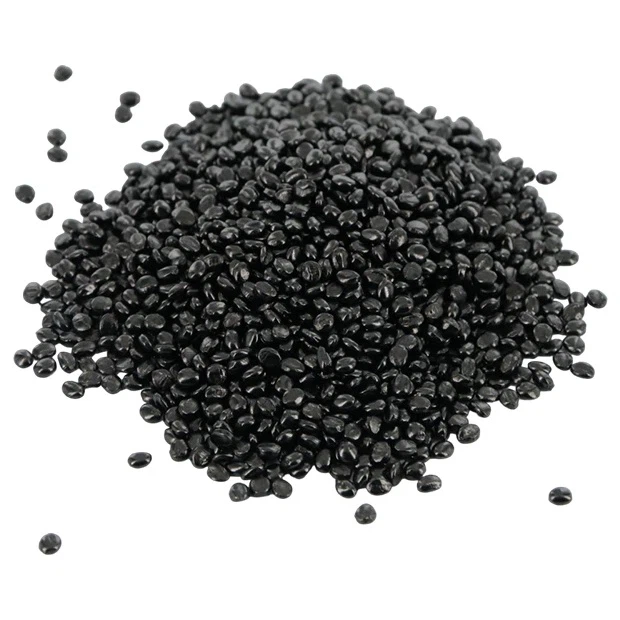
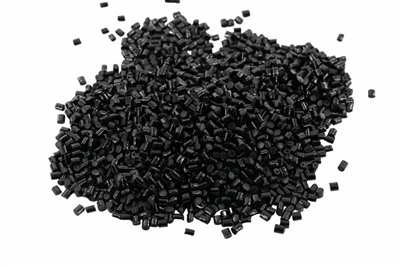

As a supplier of black masterbatch for stretch film, I often receive inquiries about the versatility of our product. One common question that arises is whether the black masterbatch for stretch film can be used in stretch hood film. In this blog post, I will delve into this topic, exploring the similarities and differences between stretch film and stretch hood film, and assessing the feasibility of using our black masterbatch in stretch hood applications.
Understanding Stretch Film and Stretch Hood Film
Before we can determine whether our black masterbatch for stretch film is suitable for stretch hood film, it's essential to understand the characteristics and applications of each type of film.
Stretch film, also known as pallet wrap, is a thin plastic film commonly used to secure and protect palletized goods during transportation and storage. It is typically made from linear low-density polyethylene (LLDPE) and has high stretchability, allowing it to be wrapped tightly around pallets. Stretch film provides excellent load stability, preventing products from shifting or falling during transit.
On the other hand, stretch hood film is a pre-formed, tubular film that is stretched over a palletized load and then released to shrink back into place, creating a tight, protective cover. Stretch hood film is also made from LLDPE but is designed to have higher elasticity and strength compared to stretch film. It offers superior protection against dust, moisture, and UV rays, making it ideal for outdoor storage and transportation.
Similarities and Differences
While stretch film and stretch hood film share some similarities, such as being made from LLDPE and providing protection for palletized goods, there are also several key differences between the two.
One of the main differences is the application method. Stretch film is applied manually or using a stretch wrapper, while stretch hood film is applied using a specialized stretch hood machine. This difference in application method can affect the performance requirements of the film, as stretch hood film needs to be able to withstand the stretching and shrinking process without tearing or losing its shape.
Another difference is the level of protection provided. Stretch hood film offers better protection against dust, moisture, and UV rays compared to stretch film, making it more suitable for outdoor storage and transportation. Additionally, stretch hood film provides a more secure and tamper-evident seal, reducing the risk of product damage and theft.
Compatibility of Black Masterbatch
Now that we understand the similarities and differences between stretch film and stretch hood film, let's consider the compatibility of our black masterbatch for stretch film with stretch hood film.
Our black masterbatch for stretch film is formulated to provide excellent dispersion, high blackness, and good UV resistance. It is designed to be used with LLDPE resin, which is the same resin used in stretch hood film. Therefore, in theory, our black masterbatch should be compatible with stretch hood film.
However, it's important to note that the performance requirements of stretch hood film are more demanding compared to stretch film. Stretch hood film needs to have higher elasticity, strength, and tear resistance to withstand the stretching and shrinking process. Therefore, it's crucial to conduct thorough testing to ensure that our black masterbatch does not negatively impact the performance of the stretch hood film.
Testing and Validation
Before recommending our black masterbatch for stretch hood film applications, we conduct extensive testing to ensure its compatibility and performance. Our testing process includes evaluating the dispersion of the black masterbatch in the LLDPE resin, as well as the mechanical properties of the resulting film, such as tensile strength, elongation at break, and tear resistance.
We also test the UV resistance of the film to ensure that it provides adequate protection against UV rays. This is particularly important for stretch hood film, as it is often used for outdoor storage and transportation.
Based on our testing results, we have found that our black masterbatch for stretch film can be used in stretch hood film applications without compromising the performance of the film. However, it's important to note that the specific formulation and processing conditions may need to be adjusted to optimize the performance of the stretch hood film.
Benefits of Using Black Masterbatch in Stretch Hood Film
Using our black masterbatch in stretch hood film offers several benefits. Firstly, it provides excellent UV resistance, protecting the palletized goods from the harmful effects of sunlight. This is particularly important for products that are sensitive to UV rays, such as food, pharmaceuticals, and electronics.
Secondly, our black masterbatch provides high blackness, giving the stretch hood film a professional and aesthetically pleasing appearance. This can enhance the brand image of the products being transported and stored.
Finally, using our black masterbatch can help reduce the cost of production. By incorporating the black color into the film during the manufacturing process, there is no need for additional printing or labeling, which can save time and money.
Conclusion
In conclusion, our black masterbatch for stretch film can be used in stretch hood film applications, provided that thorough testing is conducted to ensure its compatibility and performance. Our black masterbatch offers excellent UV resistance, high blackness, and good dispersion, making it a suitable choice for stretch hood film.


If you are interested in using our black masterbatch for stretch hood film, please [contact us] for more information and to discuss your specific requirements. We would be happy to provide you with samples and technical support to help you make an informed decision.
References
- "Stretch Film vs. Stretch Hood Film: What's the Difference?" by Packaging Digest
- "Black Masterbatch for Stretch Film" by [Your Company Name]
- "Stretch Hood Film: An Overview" by Plastics Technology