


As a supplier of no carrier black masterbatch, I am often asked about the price range of this product. In this blog post, I will delve into the factors that influence the price of no carrier black masterbatch and provide an overview of the typical price range.
Understanding No Carrier Black Masterbatch
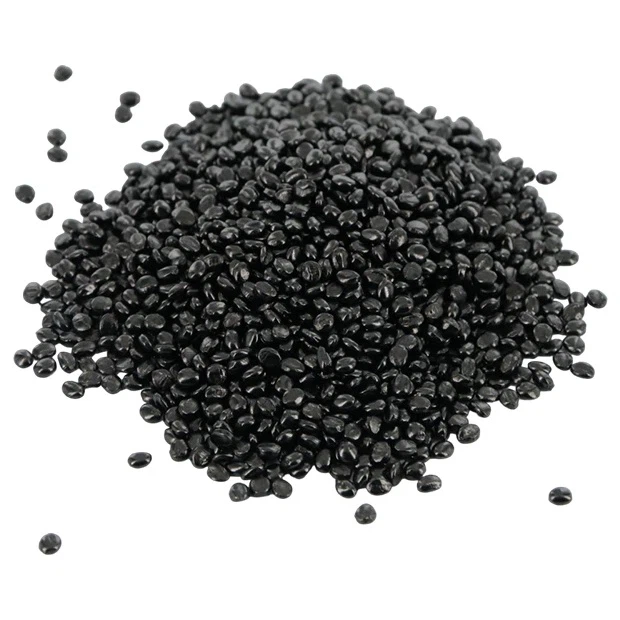
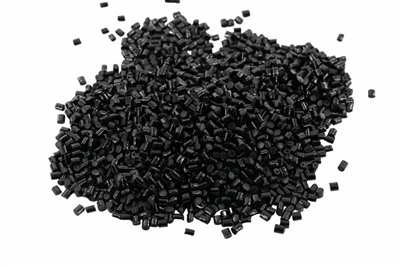
No carrier black masterbatch is a highly concentrated form of black pigment that is used to color various polymers. Unlike traditional masterbatches, which contain a carrier resin, no carrier black masterbatch consists solely of the pigment and additives. This makes it an ideal choice for applications where the presence of a carrier resin may interfere with the properties of the final product, such as in high - performance plastics and specialty applications.
Factors Affecting the Price of No Carrier Black Masterbatch
1. Pigment Quality
The quality of the black pigment used in the masterbatch is one of the most significant factors influencing its price. High - quality pigments, such as those with excellent dispersion properties, high tinting strength, and good light and heat stability, are more expensive. For example, carbon black pigments derived from advanced manufacturing processes that result in a more uniform particle size distribution and higher surface area will command a higher price. These high - quality pigments ensure better color consistency and performance in the end - use product.
2. Additive Content
Additives are often incorporated into no carrier black masterbatch to enhance its performance. These can include dispersants, antioxidants, and UV stabilizers. The type and amount of additives used can significantly impact the price. For instance, high - performance dispersants that improve the dispersion of the pigment in the polymer matrix are more costly. Similarly, advanced antioxidants and UV stabilizers that provide long - term protection against degradation can increase the overall cost of the masterbatch.
3. Production Volume
Economies of scale play a crucial role in determining the price of no carrier black masterbatch. Larger production volumes generally result in lower per - unit costs. When a supplier produces a large quantity of masterbatch, they can spread the fixed costs of production, such as equipment setup and labor, over a greater number of units. This allows them to offer the product at a more competitive price. On the other hand, small - scale production may incur higher costs due to inefficiencies in the production process.
4. Market Demand and Supply
The basic economic principle of supply and demand also affects the price of no carrier black masterbatch. If the demand for this product is high and the supply is limited, the price is likely to increase. Conversely, when the market is saturated with suppliers or the demand decreases, prices may drop. For example, during periods of high demand in industries such as automotive and electronics, the price of no carrier black masterbatch may rise as manufacturers compete for the available supply.
Typical Price Range
The price of no carrier black masterbatch can vary widely depending on the factors mentioned above. Generally, the price can range from $[X] to $[Y] per kilogram. Low - end products, which may use lower - quality pigments and fewer additives, or are produced in smaller volumes, can be found at the lower end of this range. These products are often suitable for applications where the color requirements are not extremely strict or where cost is a major consideration.
On the other hand, high - end no carrier black masterbatch, which uses premium pigments, a comprehensive range of additives, and is produced in large volumes with strict quality control, can be at the higher end of the price spectrum. These products are typically used in high - performance applications such as aerospace, medical devices, and high - end consumer electronics, where color consistency, performance, and durability are of utmost importance.
Specific Applications and Their Impact on Price
PC Black Masterbatch
PC Black Masterbatch is a type of no carrier black masterbatch specifically designed for polycarbonate (PC) applications. PC is a high - performance engineering plastic used in applications such as automotive headlamp lenses, electronic enclosures, and optical media. The price of PC black masterbatch is generally on the higher side due to the strict requirements for color stability, heat resistance, and optical clarity in PC applications. The pigments and additives used in PC black masterbatch need to be carefully selected to ensure compatibility with the PC resin and to meet the performance standards of these high - end applications.
PS Black Masterbatch
PS Black Masterbatch is used for polystyrene (PS) products. PS is a widely used plastic in packaging, consumer goods, and disposable items. The price of PS black masterbatch is relatively more affordable compared to PC black masterbatch. This is because the performance requirements for PS applications are generally less stringent. However, the price can still vary depending on the quality of the pigment and the presence of additives to improve properties such as flowability and impact resistance.
ABS Black Masterbatch
ABS Black Masterbatch is formulated for acrylonitrile - butadiene - styrene (ABS) plastics. ABS is a popular engineering plastic used in automotive parts, electronic housings, and toys. The price of ABS black masterbatch is influenced by the need for good dispersion, color fastness, and compatibility with the ABS resin. It typically falls in the mid - range of the price spectrum, as ABS applications require a balance between performance and cost - effectiveness.
Conclusion
In conclusion, the price range of no carrier black masterbatch is influenced by multiple factors, including pigment quality, additive content, production volume, and market demand. Understanding these factors can help customers make informed decisions when purchasing no carrier black masterbatch for their specific applications. Whether you are in the market for PC black masterbatch, PS black masterbatch, or ABS black masterbatch, it is essential to consider your performance requirements and budget.
If you are interested in purchasing no carrier black masterbatch for your business, I encourage you to contact me to discuss your specific needs. I can provide you with detailed information on the products we offer, their prices, and how they can meet your application requirements. Let's start a conversation to find the best solution for your coloring needs.


References
- "Plastics Additives Handbook" by Hans Zweifel
- "Polymer Coloring: Principles and Practice" by John W. Lyons