

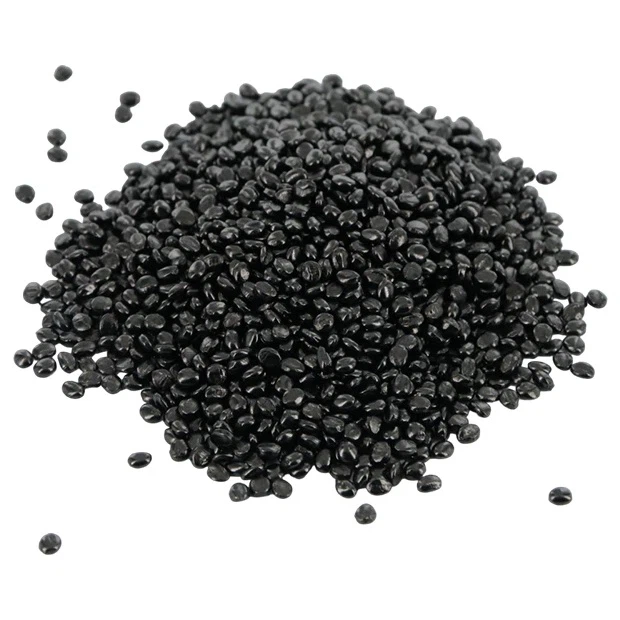
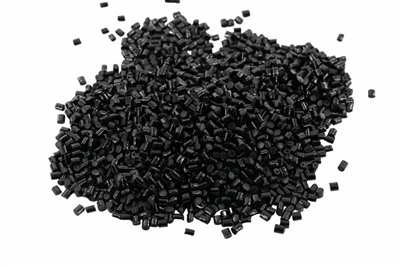

Wear resistance is a crucial factor in determining the performance and longevity of mulch films. As a leading supplier of black masterbatch for mulch film, I've witnessed firsthand the impact of high-quality masterbatch on the wear resistance of these films. In this blog, we'll delve into what wear resistance means for mulch films, how black masterbatch contributes to it, and why it matters for your agricultural operations.
Understanding Wear Resistance in Mulch Films
Mulch films are exposed to a variety of harsh conditions during their use in agricultural settings. They are spread across the soil surface, where they face mechanical stress from tillage equipment, wind abrasion, and contact with sharp objects like stones and branches. Additionally, environmental factors such as UV radiation, temperature fluctuations, and moisture can degrade the film over time. Wear resistance refers to the film's ability to withstand these forces without significant damage or deterioration.
A mulch film with good wear resistance will maintain its integrity for a longer period, providing continuous protection to the soil and crops. It will resist tearing, puncturing, and abrasion, ensuring that it remains effective in suppressing weeds, conserving moisture, and regulating soil temperature. This not only improves the efficiency of agricultural operations but also reduces the need for frequent film replacement, saving time and money for farmers.
The Role of Black Masterbatch in Enhancing Wear Resistance
Black masterbatch is a concentrated mixture of carbon black pigment and a carrier resin. When added to the base resin of a mulch film, it imparts several properties that enhance the film's wear resistance.
Reinforcement of the Polymer Matrix
Carbon black particles act as a reinforcement in the polymer matrix of the mulch film. They fill the gaps between polymer chains, increasing the film's density and strength. This reinforcement helps the film withstand mechanical stress and reduces the likelihood of tearing and puncturing. For example, when a tillage implement passes over the mulch film, the carbon black particles distribute the force evenly across the film, preventing localized damage.
UV Protection
One of the main factors contributing to the wear and degradation of mulch films is UV radiation from the sun. UV rays can break down the polymer chains in the film, making it brittle and prone to cracking. Carbon black in the black masterbatch acts as a UV absorber, protecting the film from the harmful effects of UV radiation. By blocking UV rays, the masterbatch helps maintain the film's physical properties and extends its service life.
Anti - Abrasion Properties
The surface of the mulch film is often exposed to abrasive materials such as soil particles and plant debris. Carbon black particles on the surface of the film create a hard, protective layer that reduces friction and wear. This anti - abrasion property allows the film to resist damage from contact with rough surfaces, ensuring that it remains intact even under challenging conditions.
Factors Affecting the Wear Resistance of Black Masterbatch in Mulch Films
Several factors can influence the wear resistance of black masterbatch in mulch films.
Carbon Black Quality
The quality of the carbon black used in the masterbatch is a critical factor. High - quality carbon black with a uniform particle size and good dispersion properties will provide better reinforcement and UV protection. Different grades of carbon black have different surface areas, structures, and chemical properties, which can affect their performance in the mulch film. For example, carbon black with a high surface area will have better UV absorption capabilities, while a well - structured carbon black will provide better reinforcement.


Loading Level
The amount of black masterbatch added to the base resin, known as the loading level, also affects the wear resistance of the mulch film. A higher loading level generally results in better wear resistance, as there are more carbon black particles available to reinforce the polymer matrix and provide UV protection. However, there is a limit to the loading level, as excessive amounts of masterbatch can lead to processing difficulties and may affect the film's other properties, such as transparency and flexibility.
Compatibility with the Base Resin
The compatibility between the black masterbatch and the base resin of the mulch film is essential for achieving optimal wear resistance. If the masterbatch and the base resin are not compatible, the carbon black particles may not disperse evenly in the polymer matrix, leading to weak spots in the film. This can reduce the film's strength and wear resistance. Therefore, it is important to choose a black masterbatch that is specifically formulated for the type of base resin used in the mulch film.
Testing the Wear Resistance of Mulch Films with Black Masterbatch
To ensure the quality and performance of mulch films, it is necessary to test their wear resistance. There are several methods available for testing wear resistance, including:
Abrasion Testing
Abrasion testing involves rubbing the surface of the mulch film against an abrasive material under controlled conditions. The amount of material removed from the film surface is measured to determine its abrasion resistance. This test can simulate the wear that the film may experience during normal use, such as contact with soil particles or tillage equipment.
Tear Resistance Testing
Tear resistance testing measures the force required to tear the mulch film. A sample of the film is cut and then pulled until it tears, and the maximum force applied is recorded. This test helps evaluate the film's ability to resist tearing when subjected to mechanical stress.
UV Resistance Testing
UV resistance testing exposes the mulch film to artificial UV radiation for a specified period. The changes in the film's physical properties, such as color, strength, and flexibility, are measured to determine its resistance to UV degradation. This test is important for assessing the long - term performance of the film in outdoor conditions.
Why Choose Our Black Masterbatch for Mulch Films
As a supplier of black masterbatch for mulch films, we are committed to providing high - quality products that meet the specific needs of our customers. Our black masterbatch is formulated using the latest technology and the highest quality carbon black, ensuring excellent wear resistance and other performance properties.
Superior Quality Control
We have a strict quality control system in place to ensure that our black masterbatch meets the highest standards. Every batch of masterbatch is tested for quality and performance before it is released to the market. This includes testing for carbon black content, particle size distribution, dispersion quality, and UV absorption properties.
Customized Solutions
We understand that different customers may have different requirements for their mulch films. That's why we offer customized solutions to meet your specific needs. Whether you need a masterbatch with a specific loading level, a particular type of carbon black, or a customized formulation, our team of experts can work with you to develop the perfect product.
Competitive Pricing
We offer our black masterbatch at competitive prices without compromising on quality. Our efficient production processes and economies of scale allow us to keep our costs low, which we pass on to our customers. This makes our products an affordable choice for farmers and manufacturers of mulch films.
Conclusion
The wear resistance of black masterbatch in mulch films is a critical factor that can significantly impact the performance and longevity of these films. By choosing a high - quality black masterbatch, farmers and manufacturers can ensure that their mulch films are more durable, resistant to wear and tear, and better able to withstand the harsh conditions of agricultural use.
If you are interested in learning more about our black masterbatch for mulch films or would like to discuss your specific requirements, please don't hesitate to contact us. We are here to help you find the best solution for your agricultural needs. You can also explore our other products such as Black Masterbatch for Blown Bottle, Black Masterbatch for Strech Film, and Engineering Compounding Black Masterbatch.
References
- ASTM International. (Year). Standard test methods for abrasion resistance of plastics. ASTM D4060.
- ISO. (Year). Plastics - Determination of tear resistance of films and thin sheets. ISO 6383 - 2.
- Ryntz, R. A., & Alward, D. (Year). Carbon black in polymers: a review of the state - of - the - art. Journal of Applied Polymer Science.