

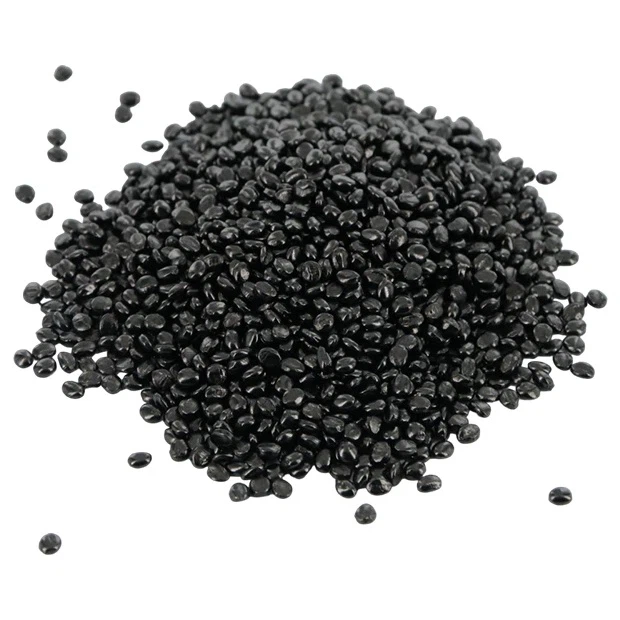
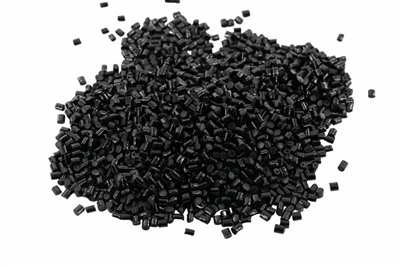

The recommended dosage of black masterbatch for granulation is a crucial factor that significantly impacts the quality, performance, and cost - effectiveness of the final granulated products. As a trusted supplier of black masterbatch for granulation, I understand the importance of getting this dosage right. In this blog, I will explore the key considerations and provide general guidelines on the appropriate dosage of black masterbatch for different granulation applications.
Understanding Black Masterbatch
Black masterbatch is a concentrated mixture of carbon black pigment and a carrier resin. It is used to impart black color to various plastic products during the granulation process. The carrier resin ensures that the carbon black is evenly dispersed throughout the plastic matrix, providing consistent color and properties.
The quality of black masterbatch can vary depending on factors such as the type and quality of carbon black, the dispersion technology used, and the compatibility with the base resin. High - quality black masterbatch offers excellent color strength, UV resistance, and dispersion, which are essential for producing high - quality granulated products.
Factors Affecting the Recommended Dosage
Type of Plastic Resin
Different plastic resins have different requirements for black masterbatch dosage. For example, polyolefins such as polyethylene (PE) and polypropylene (PP) generally require a lower dosage compared to engineering plastics like polycarbonate (PC) or acrylonitrile butadiene styrene (ABS). This is because polyolefins have a relatively lower viscosity and better flow properties, which allow for easier dispersion of the masterbatch.
Desired Color Intensity
The intensity of the black color you want to achieve in the final granulated product is a major factor in determining the dosage. A deeper, more intense black color will require a higher dosage of black masterbatch. However, it's important to note that there is a point of diminishing returns, where adding more masterbatch may not significantly improve the color but will increase the cost.

End - Use Application
The intended application of the granulated product also plays a role in determining the dosage. For products that are exposed to outdoor conditions, such as Black Masterbatch for Water Pipe, a higher dosage of black masterbatch may be required to provide better UV protection. On the other hand, products like Food Contact Black Masterbatch need to comply with strict food safety regulations, which may limit the maximum allowable dosage.
General Dosage Guidelines
Polyethylene (PE)
For general - purpose PE granulation, a dosage of 1% - 3% black masterbatch is usually sufficient to achieve a good black color. If a deeper black color is required, the dosage can be increased to 3% - 5%. However, for applications where the mechanical properties of the PE need to be maintained, such as in high - performance films, a lower dosage of around 1% - 2% is recommended.
Polypropylene (PP)
Similar to PE, PP typically requires a dosage of 1% - 3% black masterbatch for normal black coloring. For applications where a high - gloss finish is desired, such as in injection - molded PP products, a slightly higher dosage of 2% - 4% may be used.
Polycarbonate (PC)
PC is an engineering plastic that has a relatively high viscosity. To achieve a good black color, a dosage of 2% - 5% black masterbatch is usually recommended. However, due to the high processing temperature of PC, it's important to use a black masterbatch that is heat - stable to avoid degradation and maintain the mechanical properties of the PC.

Acrylonitrile Butadiene Styrene (ABS)
For ABS granulation, a dosage of 2% - 4% black masterbatch is commonly used. ABS is known for its good impact resistance and surface finish, and the appropriate dosage of black masterbatch can enhance these properties while providing a consistent black color.
Specific Applications and Their Dosage Requirements
Black Masterbatch for Water Pipe
Water pipes are often exposed to sunlight and outdoor elements. To provide sufficient UV protection, a dosage of 3% - 5% black masterbatch is recommended. This high dosage helps to prevent the degradation of the plastic material due to UV radiation, ensuring the long - term durability of the water pipes.
Food Contact Black Masterbatch
When it comes to food contact applications, the dosage of black masterbatch is strictly regulated. In general, a dosage of 0.5% - 2% is allowed, depending on the specific regulations in different regions. It's crucial to use a food - grade black masterbatch that meets all the safety requirements to ensure the safety of the food products.
Black Masterbatch for Shopping Bag
Shopping bags are typically made from PE or PP. A dosage of 1% - 3% black masterbatch is sufficient to provide a good black color for these bags. Since shopping bags are often mass - produced, keeping the dosage on the lower side can help reduce costs without sacrificing the appearance of the bags.
Testing and Optimization
While the above guidelines provide a starting point, it's important to conduct small - scale tests to determine the optimal dosage for your specific granulation process and product requirements. You can prepare samples with different dosages of black masterbatch and evaluate them based on color, mechanical properties, and other relevant factors.
During the testing process, pay attention to the dispersion of the black masterbatch in the plastic matrix. Uneven dispersion can lead to color streaks or poor mechanical properties in the final product. If you encounter dispersion issues, you may need to adjust the processing conditions, such as the temperature and mixing speed, or consider using a different type of black masterbatch.
Conclusion
Determining the recommended dosage of black masterbatch for granulation is a complex process that requires careful consideration of various factors. By understanding the type of plastic resin, the desired color intensity, and the end - use application, you can select the appropriate dosage to achieve the best results.

As a professional black masterbatch for granulation supplier, I am committed to providing high - quality products and expert advice to help you optimize your granulation process. Whether you are producing water pipes, food - contact products, or shopping bags, I can offer the right black masterbatch solution tailored to your needs.
If you are interested in learning more about our black masterbatch products or need assistance in determining the optimal dosage for your granulation process, please feel free to contact us for further discussion and procurement negotiation.
References
- "Plastics Additives Handbook" by Hans Zweifel
- "Colorants for Plastics: Principles and Applications" by Wilfried Schrenk